Overview of Introducing ‘METRO’ From Serial Productions
This episode is both an introduction to Metro—a new New York City-focused show from Serial Productions and The New York Times—and the first deep dive into a story from Manhattan’s Diamond District. Host Sarah Koenig follows a viral fight involving jeweler Max Agadjani and his company TraxNYC, then spends time inside the shop to explore a bigger question: in a place built on salesmanship, spectacle, and online persona, what is actually real?
What the Episode Is About
- Metro will publish New York City stories every other week, blending investigations, personal stories, essays, and interviews.
- The featured episode centers on:
- a viral brawl between rival jewelers in the Diamond District,
- the explosion in attention and sales it brought TraxNYC,
- and the tension between authenticity and performance in the jewelry business.
Main Storyline
The Viral Fight and the “Is It Real?” Question
- A video showing a heated confrontation in the Diamond District spread widely online.
- Max Agadjani, owner of TraxNYC, appears in dramatic, highly produced clips that helped fuel interest in the story.
- Sarah Koenig begins by asking whether the fight was genuine or a marketing stunt, but the investigation expands into a broader look at the entire culture around TraxNYC.
Inside the Diamond District
- The Diamond District is portrayed as dense, old-school, chaotic, and highly performative.
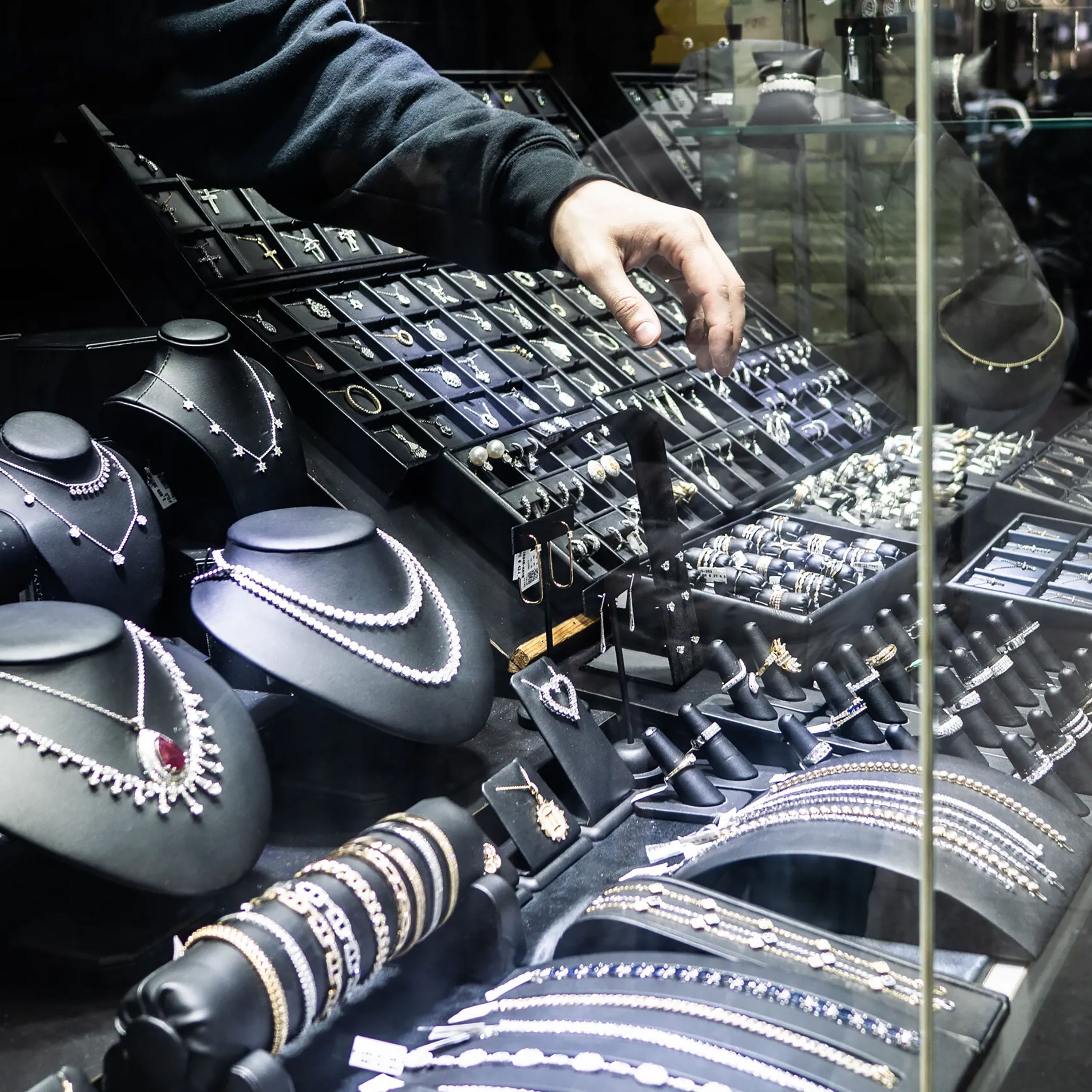
- On 47th Street, salespeople aggressively court customers, luxury goods are displayed openly, and it can be hard to tell what is authentic.
- Even casual interactions feel like part of the sales theater, reinforcing the episode’s central theme.
TraxNYC as a Performance Machine
- TraxNYC operates heavily online, with almost everything documented and posted.
- The viral video reportedly doubled monthly sales, prompting an aggressive hiring push.
- The shop is filled with young trainees trying to hit sales quotas, often while navigating fake leads and strange customer interactions.
Key Characters
Max Agadjani
- Owner of TraxNYC and the face of the company.
- Presents himself as intense, principled, and relentless.
- Sees business as a kind of war and uses harsh, sometimes profane motivational tactics to push employees.
Ray and Shivanya
- Sales trainees attempting to meet a $25,000 quota.
- Their experience shows the pressure and improvisation required to survive in the shop’s sales culture.
Grayson and Milad
- Young, high-spending customers who buy luxury watches and present themselves as e-commerce entrepreneurs.
- Their presence adds to the episode’s sense that identity, wealth, and credibility are always somewhat uncertain.
David, Marcus, and Encore
- TraxNYC staff who handle sales and logistics.
- They show a more controlled, tactful side of the business, especially when dealing with a possible dispute over a watch.
The Watch Dispute
- Grayson buys an Audemars Piguet watch, then later returns to sell it back at a lower price.
- TraxNYC checks the watch and believes it has been altered or “Frankensteined,” with fake outer parts and a real movement.
- Instead of escalating publicly, the staff handles the situation calmly and refuses to buy it back.
- This creates a contrast between Max’s loud, combative persona and the shop’s quieter, pragmatic problem-solving.
Themes and Takeaways
Real vs. Fake
- The episode keeps circling back to whether people, stories, products, and even reactions are genuine.
- Koenig shows that “fakery” is not just deception—it can also be branding, performance, or a survival strategy.
Image as Currency
- In the Diamond District, being believable can matter as much as being honest.
- TraxNYC’s success depends heavily on spectacle, social media, and the feeling that customers are seeing something authentic.
Business as Theater
- Max’s outbursts, the viral fight, the sales pitches, and even customer interactions all function like staged scenes in a larger production.
- Yet the episode suggests that the performance is also real in its consequences: it affects sales, hiring, status, and trust.
New York as a Place of Performance
- The story uses the Diamond District as a lens on New York itself: a city where hustle, branding, and identity often blur together.
- Koenig’s outsider perspective helps highlight how strange—and how normal—this kind of performance can feel.
Notable Insight
- The episode’s strongest idea is that “real” and “fake” are not simple opposites here.
- In the Diamond District, people build businesses, reputations, and relationships through a mix of honesty, marketing, bluffing, and theater.
- The result is a world where sincerity and performance are often indistinguishable.
Closing Note
- The episode ends without a definitive showdown, which is part of the point: the most revealing moments are not explosive confrontations, but the careful, strategic ways people manage truth, image, and conflict.
- Metro is introduced as a show that will keep exploring New York through stories that make the city feel both larger and more human.