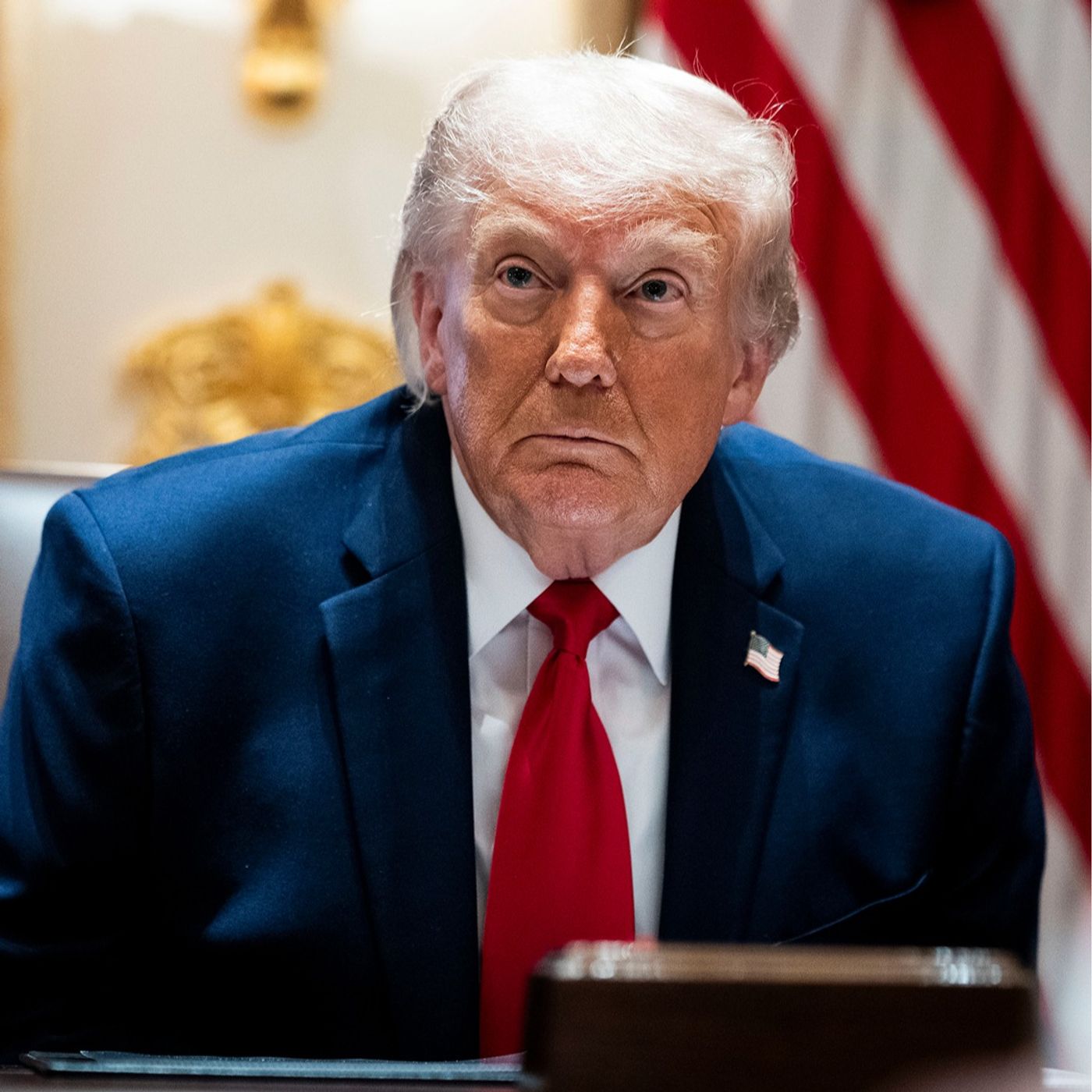
Overview of How Trump Was Persuaded to Regulate A.I.
This New York Times episode of The Daily examines how President Trump, after initially rejecting AI regulation as a threat to innovation, was pushed into signing a limited executive order that gives the federal government a small role in reviewing advanced AI models for security risks. The episode focuses on the behind-the-scenes White House fight between pro-innovation advisers and officials alarmed by AI’s cyber and national security dangers, while also situating the order in the larger national debate over whether AI should be lightly guided or aggressively regulated.
What Changed Trump’s Mind
- Trump’s administration began with a strongly hands-off, deregulatory posture toward AI.
- That changed after Anthropic revealed a new model that could be used to identify software vulnerabilities and potentially aid cyberattacks.
- The announcement triggered alarms across:
- Big Tech, including Microsoft
- Finance, including Jamie Dimon and JPMorgan Chase
- Key White House officials worried about the political fallout of a major AI-driven cyber incident
The turning point
- White House officials Scott Bessent and Susie Wiles started pushing for some kind of guardrail.
- The administration drafted a compromise: AI companies would voluntarily share models with the government before release so officials could inspect them for vulnerabilities.
- Trump initially canceled the order, apparently after speaking with tech allies like Mark Zuckerberg, Mark Andreessen, and especially David Sacks, who urged him not to sign.
What the Executive Order Actually Does
- The final order is much narrower than first proposed.
- It allows the government to review certain AI models up to 30 days before release for cybersecurity risks.
- It explicitly says it does not create:
- mandatory licensing
- preclearance
- a broad permitting regime
Why it matters
- The order is small by design, but it signals a shift:
- AI regulation is now a live federal issue
- Washington is no longer assuming AI can be left completely alone
- Future, broader rules are now more plausible
The Factions Inside and Outside the White House
Pro-innovation camp
- Led by figures like David Sacks
- Argument:
- regulation could slow U.S. competitiveness
- America must stay ahead of China
- AI is an economic engine and should not be overburdened early on
Security-minded camp
- Represented by Bessent and Wiles
- Concerned that a serious AI-enabled cyberattack would politically and practically damage the administration if it had done nothing
The Bigger AI Regulation Debate
The episode argues that the real debate is just beginning. Outside the White House, pressure for stronger AI rules is growing from both the left and the right.
From the right: Steve Bannon and populist conservatives
- Bannon sees AI as a threat to:
- working-class jobs
- social stability
- American culture and family life
- He and allied pastors are pushing for stronger rules, including support for proposals like Josh Hawley’s more mandatory review framework.
From the left: Bernie Sanders
- Sanders is warning about:
- job displacement
- mental health harms
- political manipulation
- His proposals are far more aggressive:
- a moratorium on new AI data centers
- a plan for the U.S. government to take a 50% ownership stake in major AI companies when they go public
Industry Response and the Road Ahead
- AI companies appear to be recognizing a trust deficit with the public.
- The episode points to a rising sense that companies may need to accept some regulation if they want legitimacy.
- OpenAI, for example, publicly urged Congress to adopt more rigorous AI rules, even as parts of the industry continue to fund politicians who oppose regulation.
Core takeaway
- Real AI regulation may only arrive after a major crisis—a cyberattack, catastrophic failure, or other public shock.
- Until then, AI may continue to outpace the government’s ability to regulate it.
- The episode closes with a warning: AI is already driving a large share of U.S. economic growth, but the risks and benefits are unevenly distributed, and public pressure could grow quickly if harms become more visible.
Key People Mentioned
- Donald Trump — signed the limited AI executive order
- David Sacks — pushed Trump toward a deregulatory stance
- Susie Wiles — White House chief of staff, pushed for action
- Scott Bessent — Treasury secretary, worried about AI-driven cyber risk
- Anthropic — AI company whose model announcement helped trigger the shift
- OpenAI — publicly called for stronger AI rules after the order
- Steve Bannon — right-wing populist calling for stronger AI oversight
- Bernie Sanders — left-wing populist proposing aggressive intervention
- Josh Hawley — advancing a more mandatory regulatory framework
Bottom Line
Trump’s AI executive order is not a major regulatory crackdown—it’s a cautious first step. But the episode shows that AI has moved from a fringe policy question to a serious White House concern, and that both populist factions and parts of the industry are increasingly pushing Washington toward a bigger fight over how much control government should have over artificial intelligence.