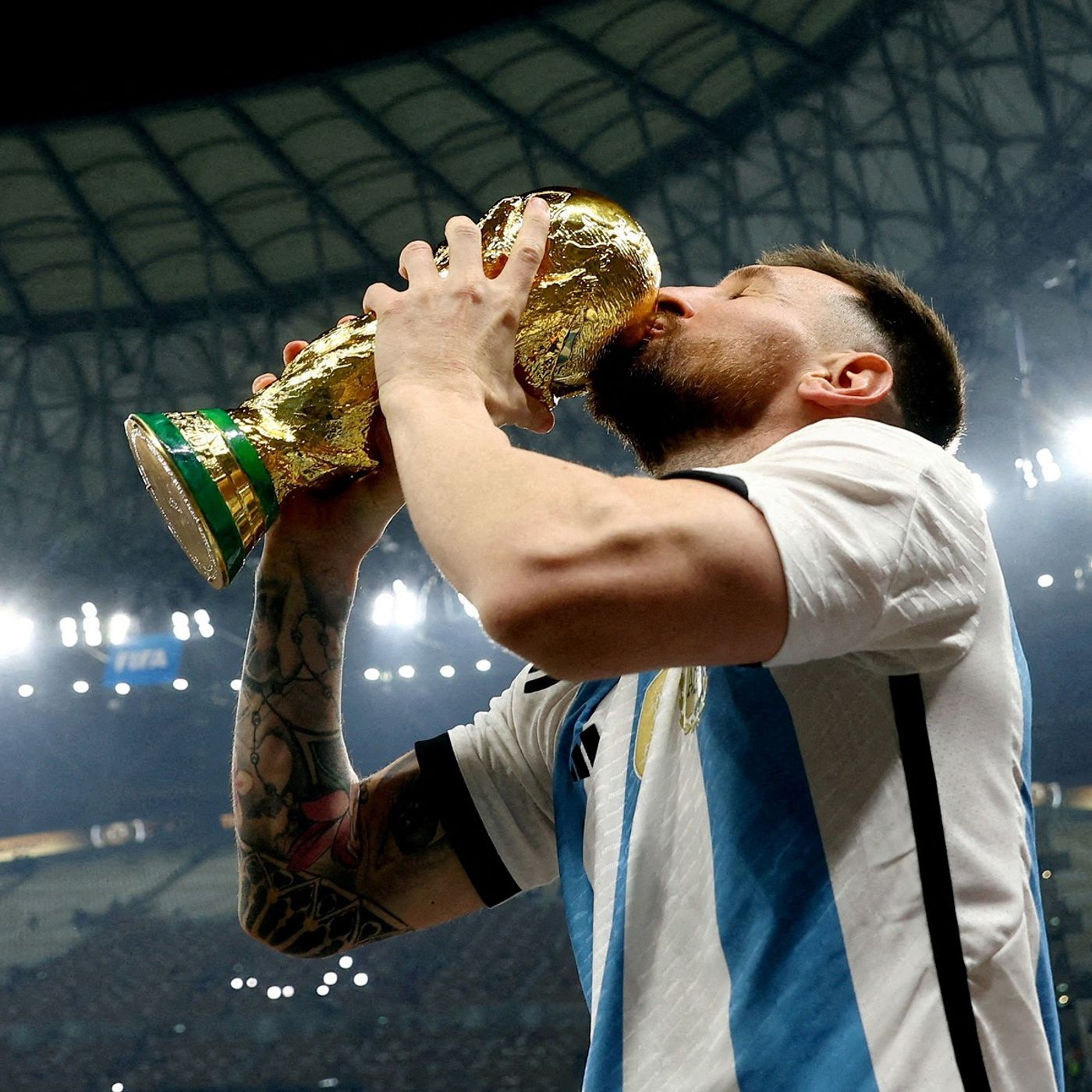
Overview of Everything You Need to Know About the World Cup
This New York Times episode of The Sunday Daily is a pre-World Cup primer on the 2026 FIFA World Cup—why it’s historically unusual, which teams and players matter most, and why the tournament has become as much a cultural and political spectacle as a sporting event. Global soccer correspondent Tariq Panja explains the expanded format, the likely contenders, the long-shot teams, and the controversy over record-high ticket prices.
What Makes the 2026 World Cup Different
Three host nations
- For the first time, the World Cup will be hosted by three countries:
- United States
- Canada
- Mexico
- Most matches will be in the U.S., with games spread across major cities from coast to coast.
Expanded field of teams
- This is the first World Cup with 48 teams, up from 32.
- The tournament will include:
- 72 group-stage games
- 104 total matches
- The expanded format is framed as both:
- a political win for FIFA leadership, and
- an opportunity for more countries and fans to experience the World Cup.
Teams and Players to Watch
The favorites
- Spain: Seen as the leading favorite, powered by teen star Lamine Yamal.
- France: Deep, stacked with elite talent, including Kylian Mbappé, Ousmane Dembélé, and Desire Doué.
- England: A dangerous side led by Harry Kane.
- Portugal: Strong and balanced, with Cristiano Ronaldo still central.
- Brazil: Not talked about as much as usual, but still dangerous; could be a surprise late-stage contender.
Dark horses and underdogs
- United States: A realistic quarterfinal-level team at best, but with home-field advantage and players like Christian Pulisic, they could make a run.
- Ecuador: Could benefit from familiarity with hot conditions.
- Norway: A serious threat if Erling Haaland is in scoring form.
Storyline teams with emotional pull
- Curaçao: A tiny Caribbean nation qualifying for the first time, with a squad largely made up of Netherlands-born players with Curaçaoan roots.
- Jordan, Iraq, Haiti, and the Democratic Republic of Congo: Notable for historic or first-time appearances and the emotional significance of representing their countries on the world stage.
The Messi and Ronaldo Era May Be Ending
Lionel Messi
- Argentina’s Lionel Messi is treated as potentially making his final World Cup appearance.
- The episode emphasizes the emotional weight of watching one of the sport’s greatest-ever players in what may be his last run.
Cristiano Ronaldo and Luka Modrić
- Cristiano Ronaldo and Luka Modrić are also discussed as veterans likely nearing the end of their World Cup careers.
- The piece frames this tournament as a possible last hurrah for an entire generation of global superstars.
The Biggest Off-Field Controversy: Ticket Prices
Record-breaking costs
- Ticket prices are described as “eye-wateringly expensive” and far above previous World Cups.
- The most expensive final ticket is cited at around $10,000, compared with roughly $1,000 for the top tier in Qatar.
Dynamic pricing
- FIFA is using dynamic pricing for the first time, meaning prices can rise or fall based on demand.
- In practice, the episode suggests prices have mostly stayed high or increased.
Fan backlash
- Fans feel exploited and priced out.
- The situation has prompted possible legal action by the New Jersey and New York attorneys general.
- There is also confusion over ticket categories and seating changes.
What the Episode Says About World Cup Culture
The tournament as a global ritual
- The World Cup is portrayed as more than sports:
- a gathering of nations,
- a source of identity and belonging,
- and a shared emotional experience for billions.
- Fans often describe their team in collective terms: not “my team,” but “we play today.”
Argentina as the archetype
- The episode uses Argentine fans to show how deep World Cup devotion can go.
- One fan even quit his job so his family could attend.
- The message: for many people, attending the World Cup feels like a pilgrimage.
The uniquely communal atmosphere
- Tariq Panja describes pre-tournament fan zones and streets full of people from around the world trading shirts, stories, and songs.
- The World Cup is presented as a rare moment when global fandom becomes a shared public celebration.
Main Takeaways
- The 2026 World Cup is bigger, more global, and more expensive than any before it.
- Spain, France, England, and Portugal look strongest, while Brazil, the U.S., Norway, and Ecuador could surprise.
- The tournament may mark the final World Cup chapter for Messi, Ronaldo, and Modrić.
- Off the field, ticket pricing and FIFA’s commercial strategy are major flashpoints.
- Despite controversy, the World Cup remains the world’s biggest sporting and cultural event.