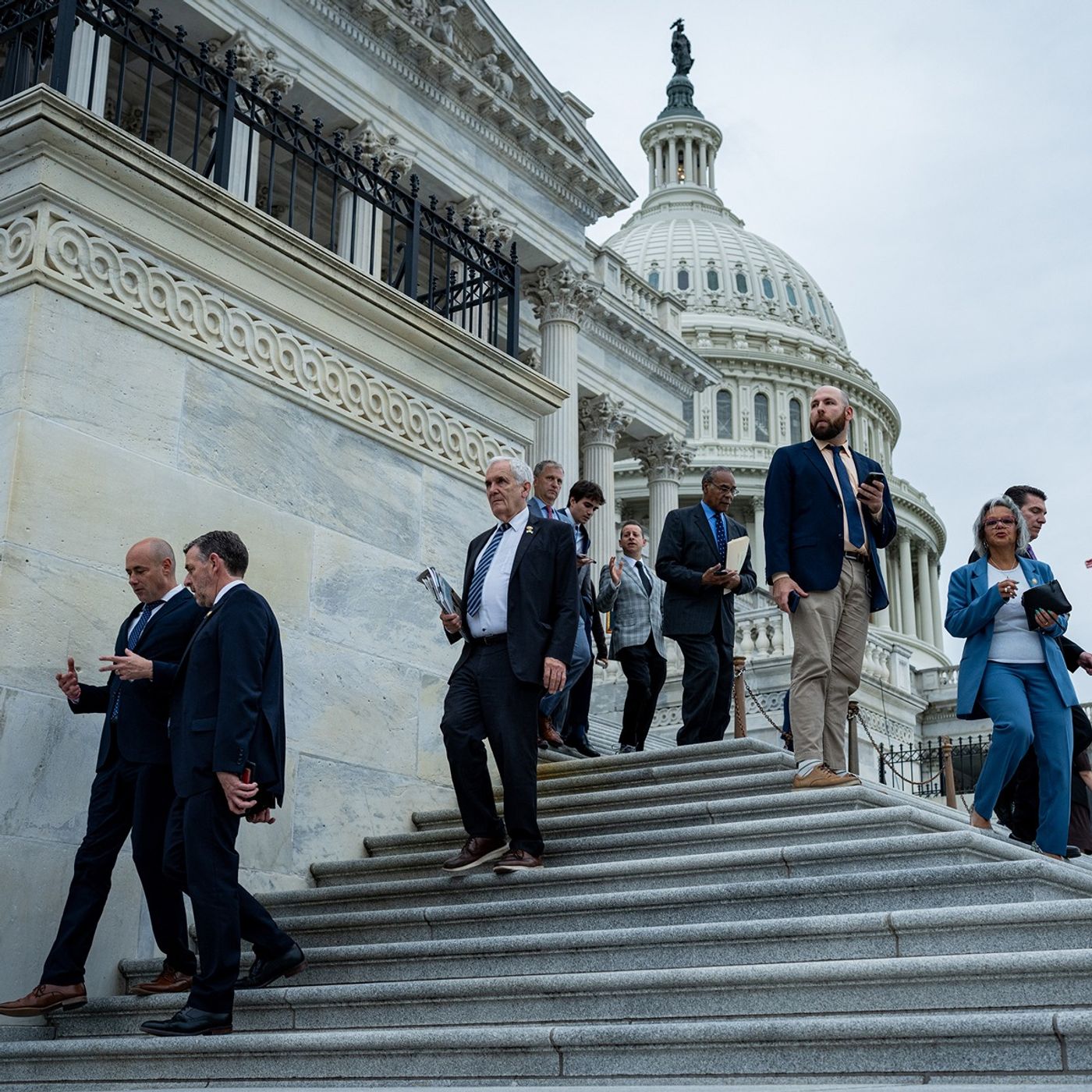
Overview of Congressional Republicans Try a New Approach: Telling Trump No
This episode of The Daily examines a striking shift in Washington: Republican-controlled Congress, which had largely deferred to President Trump in his second term, has begun pushing back. New York Times congressional editor Julie Davis explains how Republican anger over Trump’s interference in GOP primaries, his controversial “weaponization fund,” and the Iran war has prompted unusual acts of resistance — though it remains unclear whether this rebellion is a lasting break or a temporary flare-up.
Key Developments
From deference to pushback
- In the first months of Trump’s second term, Republicans in Congress mostly ceded power to the White House on:
- spending
- trade and tariffs
- foreign policy
- That dynamic began to change over the last few weeks, as Republicans started blocking or delaying Trump priorities instead of automatically advancing them.
The “weaponization fund” became a flashpoint
- The administration proposed a $1.776 billion fund to compensate people it claimed were victims of federal overreach.
- Republicans viewed it as a politically toxic idea, widely interpreted as a way to reward Trump allies, potentially including January 6 defendants.
- GOP lawmakers were especially outraged because Trump had not consulted Congress before floating the idea.
- Republicans ultimately used their leverage to force the White House to back away from it.
Trump’s primary interventions angered Republicans
- Trump’s endorsements in GOP primaries were seen as punishing loyal incumbents who had supported him for years.
- The most notable example in the episode:
- Bill Cassidy in Louisiana
- John Cornyn in Texas
- Many Republicans concluded Trump was making the midterms about revenge and personal loyalty, not party strength.
The Iran war triggered rare defections
- Democrats had repeatedly forced War Powers votes to require congressional authorization for the conflict.
- As Republican frustration grew, some GOP lawmakers began voting with Democrats.
- Bill Cassidy broke with Trump and voted for a resolution requiring congressional authorization.
- In the House, enough Republicans joined Democrats to pass a War Powers resolution.
- The concern among swing-district Republicans was both constitutional and political: the war could hurt them back home, especially if it affects gas prices and voter sentiment.
Why It Matters
A new kind of Republican resistance
- The episode argues this may be the first real sign that Republicans are willing to use Congress’s power against Trump when his actions conflict with their political survival.
- This is not a full rebellion against Trump overall:
- Republicans still helped advance his broader legislative agenda, especially immigration enforcement.
- But they are increasingly willing to draw lines on specific issues that look bad politically or threaten congressional authority.
Two factions are driving the pushback
- Swing-district Republicans: worried about reelection and constituent backlash.
- “YOLO caucus” lawmakers: members who have already lost primaries or are leaving office and therefore have less incentive to stay loyal.
Trump still has enormous influence, but not unlimited control
- The episode suggests Trump can still drive major GOP priorities.
- But when he creates enough political pain — by meddling in primaries or pushing unpopular ideas — Republicans may finally resist.
Notable Moments and Quotes
- Republicans described the weaponization fund as something that “doesn’t pass the smell test.”
- One lawmaker said it was like “somebody sued themselves” and expected taxpayers to pay.
- Julie Davis framed the shift as Republicans finally realizing Trump was not acting in the party’s best interests.
- The broader theme: Republicans are asking why they should remain subservient if Trump is willing to punish them anyway.
Bottom Line
This episode portrays a temporary but meaningful crack in Trump’s control over congressional Republicans. The GOP is not turning against Trump wholesale, but it is showing a new willingness to resist when his demands are politically damaging, procedurally overreaching, or personally threatening to members’ careers. The big question going forward is whether this is a one-off reaction to extreme circumstances or the start of a more durable congressional pushback.
Additional Update Mentioned in the Episode
- In the news roundup at the end, the episode notes renewed Iran-Israel escalation, with Iran launching ballistic missiles at Israel and Israel retaliating, threatening to further complicate U.S.-Iran peace talks.