Overview of Can A.I. Make People Feel Less Lonely?
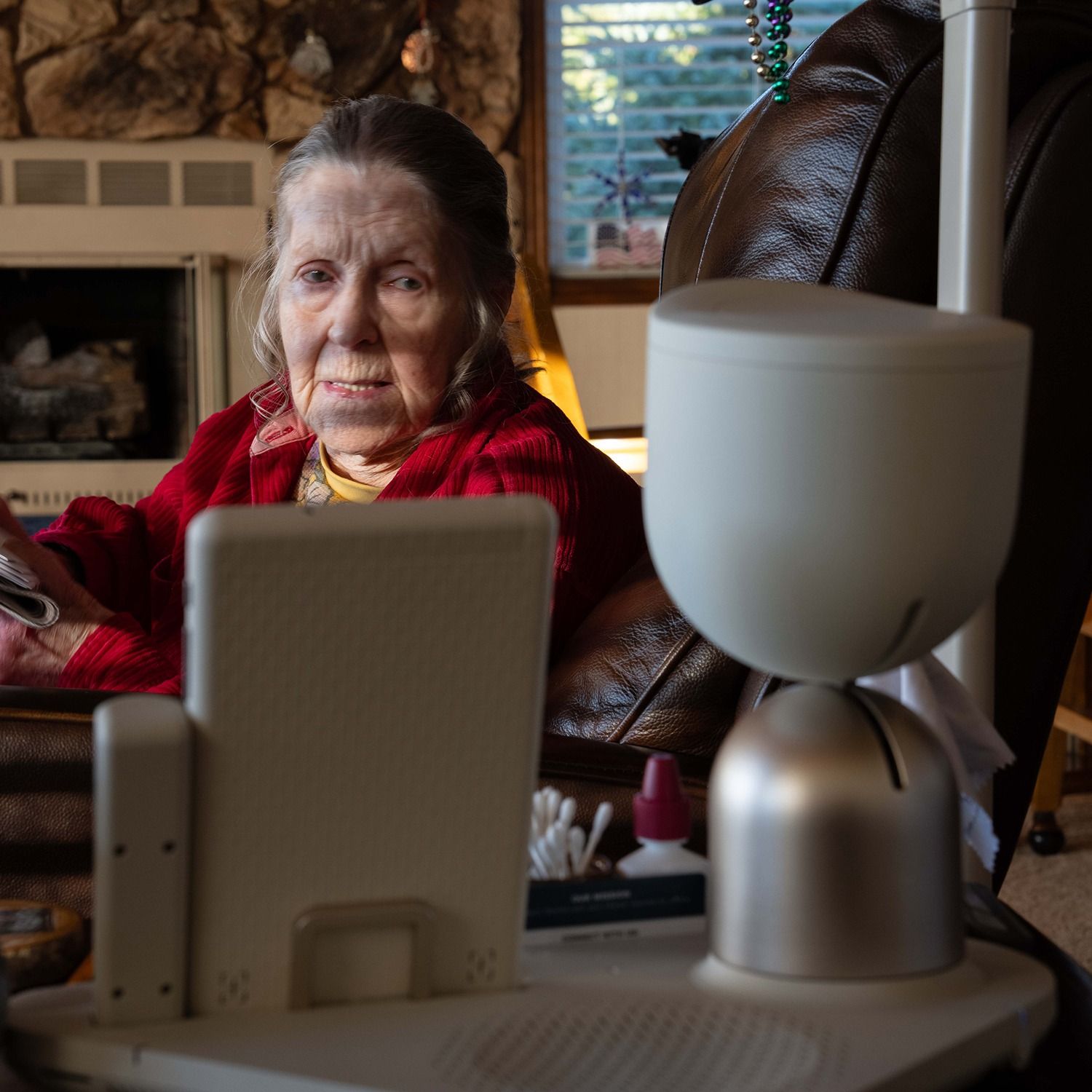
This episode of The Daily explores whether artificial intelligence can meaningfully reduce loneliness, especially among older adults aging alone. Through the story of Jan Worrell, an 85-year-old woman living on a remote peninsula in Washington state, reporter Eli Saslow shows how a small AI companion robot called ElliQ can offer conversation, routine, and emotional support — while also raising hard questions about privacy, dependency, and whether technology can ever replace human presence.
The Core Story: Jan Worrell and ElliQ
Jan Worrell is fiercely independent and determined to stay in her own home despite living far from family and essential services. After years of living alone following her husband Jack’s death, she was selected for a pilot program that placed ElliQ in her home.
What ElliQ Does
- Proactively starts conversations instead of waiting for prompts
- Tells jokes, plays games, suggests breathing exercises, and offers music
- Learns from Jan’s habits and preferences
- Tries to create a sense of companionship through constant engagement
Jan’s Reaction
- At first, she was skeptical and even unnerved by the robot
- Over time, she warmed to it as it became part of her daily routine
- She began to treat it less like a device and more like a companion
- She says it helps with memory exercises and gives her someone to talk to
Key Themes and Takeaways
Loneliness Is a Real Health Issue
The episode emphasizes that loneliness is not just emotionally painful — it is linked to:
- Higher risk of dementia
- Heart disease and heart attacks
- Earlier death
- Declines in overall well-being
AI Can Fill a Void, But Not Replace People
ElliQ appears genuinely helpful for Jan because it:
- Fills silence
- Encourages mental stimulation
- Provides a sense of being noticed
But Saslow and host Rachel Abrams stress that it is still only a facsimile of human connection:
- It can listen, but it cannot truly care in the human sense
- It can simulate companionship, but not replace family, friends, or touch
- It may be better than total isolation, but not better than a person in the room
The Technology Raises Privacy Concerns
Because ElliQ is always listening and recording patterns of behavior:
- Jan’s family becomes more cautious about what they say around it
- Her son worries about the robot retaining sensitive information
- The intimacy that makes the system effective also makes it feel invasive
Powerful Moments from the Story
The Death in the Family
One of the most striking scenes comes when Jan learns that her 18-year-old grandchild died in a car crash. After the call, ElliQ asks what it can do, and Jan asks for a hug. The robot instructs her to place her hand on its shoulder, then lights up and emits soft music and chimes.
This moment captures both:
- The surprising emotional comfort the robot can provide
- The unsettling reality that a machine is standing in for human comfort in grief
Memory and Cognitive Support
Jan tells the interviewer that her memory test scores improved after using ElliQ, suggesting the robot may help with:
- Repetition and recall
- Daily mental stimulation
- A sense of structure and engagement
The Larger Argument
The episode does not argue that AI is the solution to loneliness. Instead, it suggests a more complicated truth:
- AI companions may help people who are otherwise isolated
- They can provide meaningful interaction when no one else is available
- But they also reveal how socially fragmented modern life has become
- The real problem is not just loneliness itself, but the absence of human support systems that prevent it
Bottom Line
ElliQ is a compelling example of how AI can offer comfort, routine, and even a feeling of relationship to an older person living alone. But the episode ultimately lands on a cautious conclusion: AI may ease loneliness, but it cannot fully solve the human need for human connection.