Overview of The Daily: “Buy Now, Pay Later”: A New Wave of Consumer Debt
This episode examines the rapid rise of buy-now, pay-later (BNPL) loans and how they’ve evolved from a convenient checkout option into a broader form of consumer credit used for essentials like groceries, rent, utilities, and car repairs. Stacey Cowley explains why these loans have become so popular, how companies profit from them, and why economists and consumer advocates are increasingly concerned that BNPL may be masking deeper affordability problems in the U.S.
What Buy Now, Pay Later Loans Are
BNPL loans are short-term installment loans that let shoppers split a purchase into a few payments over weeks or months.
- Often available within minutes
- Commonly used at online checkout, but increasingly in physical stores too
- Designed to feel fast, simple, and transparent
- Originally marketed for discretionary purchases like clothes, shoes, and electronics
Examples discussed:
- Affirm
- Klarna
- Afterpay
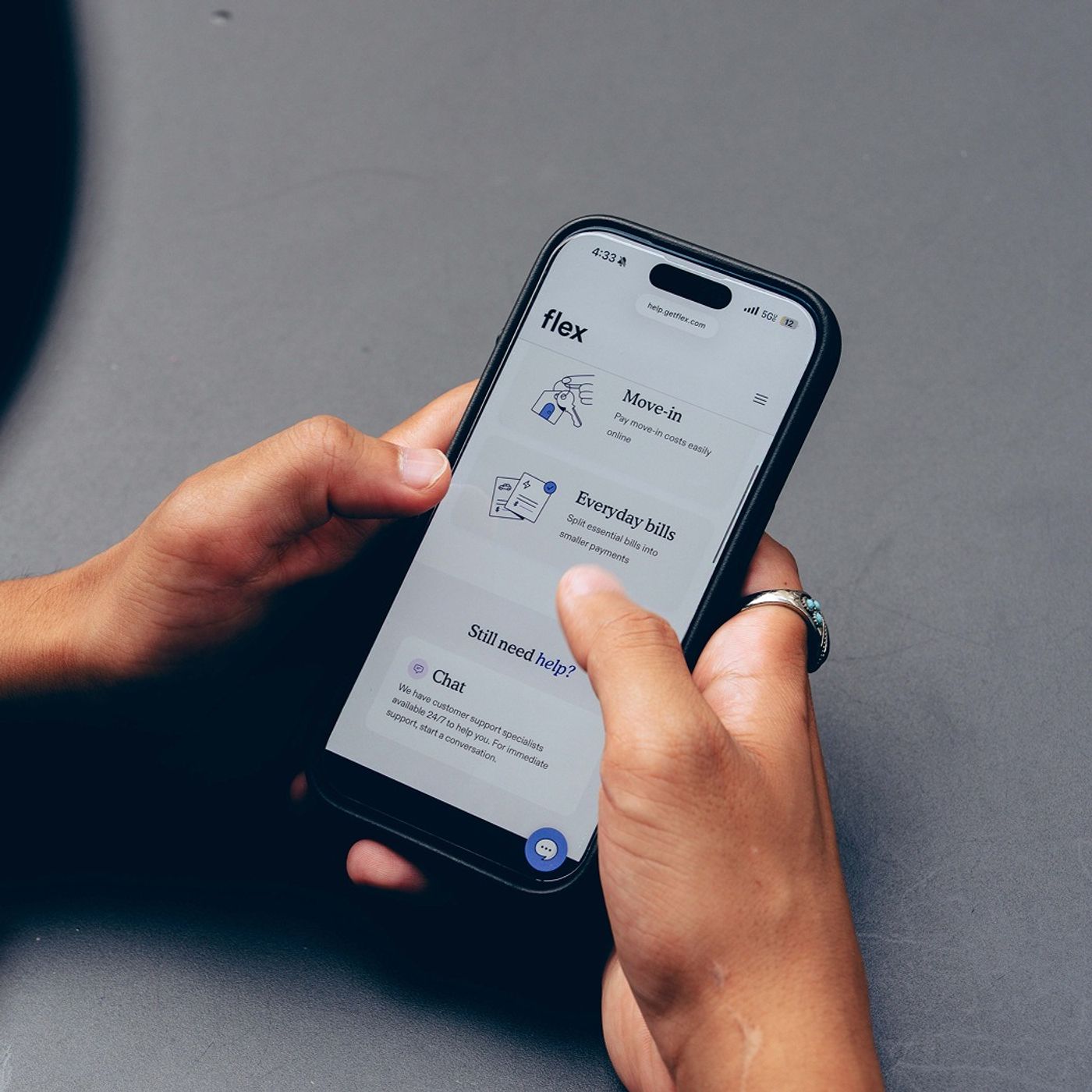
- Flex for rent and recurring bills
Why They’ve Grown So Quickly
The episode traces BNPL’s growth to a mix of convenience, marketing, and economic pressure:
Pandemic-era acceleration
- Online shopping surged during COVID-19
- Consumers had cash from stimulus checks, but BNPL made it easier to stretch payments and make impulse purchases
- Merchants embraced BNPL because it helped convert sales that might not otherwise happen
Social media and normalization
- Influencer culture and “girl math” style content helped normalize BNPL as a routine way to pay
- What began as a trendy shopping tool gradually became part of everyday budgeting
Expansion into essentials
BNPL is no longer just for splurges:
- Groceries
- Rent
- Utilities
- Auto repairs
- Other recurring monthly bills
This shift reflects how many consumers are using it not for convenience, but for survival.
The Scale of the Trend
The episode emphasizes how quickly BNPL has expanded:
- Roughly half of Americans have used BNPL at some point in recent years
- About 15%–25% use it regularly
- Americans spent around $160 billion through BNPL last year
- That’s roughly double what they spent two years earlier
The key concern is not just growth, but who is using it: often people who are already financially strained, have maxed out credit cards, or don’t qualify for traditional credit.
How Companies Make Money
BNPL firms have two main revenue sources:
- Merchant fees — common in the early days
- Consumer fees — increasingly important now
Typical consumer costs can include:
- Small borrowing fees
- Processing fees
- Subscription fees
Even if the fee seems modest, the concern is that it can add up when people use multiple loans at once.
Why It Feels Better Than Credit Cards
BNPL is often marketed as a cleaner alternative to credit cards because:
- Fees are usually fixed and visible
- Terms are typically short-term
- It can feel less confusing than revolving credit with variable interest rates
But the episode argues that this simplicity can be deceptive.
The Hidden Risks
Several risks stand out:
Automatic withdrawal from bank accounts
Borrowers usually must provide:
- Bank account information, or
- A debit card
That means lenders can pull payments directly when due, which can trigger overdrafts if funds are low.
Multiple loans can stack up
Borrowers may juggle a dozen or more loans at once, making it hard to keep track of due dates.
Weak underwriting and limited reporting
- Many BNPL lenders use only a soft credit check
- Loans often aren’t reported to credit bureaus
- Lenders may not see what a borrower owes elsewhere
That creates room for debt to build silently, similar to a payday loan cycle.
Borrower Story: Ashley Reed
A key part of the episode follows Ashley Reed, a Baltimore instructional aide and radiology assistant.
Her experience shows how BNPL can shift from convenience to dependency:
- She started with small online purchases
- After her mother had a brain aneurysm, she used credit cards and BNPL to cover emergency-related costs
- Over time, she relied on BNPL for groceries and basics
- Because her income is modest and uneven, she prioritizes BNPL payments to keep access to future loans
Her story illustrates the emotional pressure of being stuck in “survival mode”:
- Pay BNPL loans on time so you can borrow again
- Delay other bills, like rent, if necessary
- Stay in good standing just to keep daily life moving
Her warning is direct: don’t let yourself become dependent on these apps.
Regulation and Policy Gaps
The episode notes that BNPL remains lightly regulated compared with credit cards.
- There was some momentum for federal oversight during the Biden administration
- That interest weakened under the Trump administration
- Some states are trying to write their own rules
A major challenge is that BNPL is still relatively small compared with the broader credit market:
- Credit cards: about $3 trillion in annual spending
- BNPL: about $160 billion
Still, economists worry that fast growth plus weak oversight could make it a bigger systemic problem later.
Main Takeaway
The episode’s central argument is that BNPL is more than just a convenient payment option. It reflects a broader reality: many Americans are using debt not to buy luxuries, but to bridge the gap between income and basic living costs.
Key insight
A lender quoted in the episode describes BNPL as a solution to a “timing issue” and “harm reduction” — a phrase that captures the tension at the heart of the story:
- BNPL may be better than worse alternatives
- But rising use for necessities is also a sign that affordability is breaking down
Notable Numbers and Takeaways
- $160 billion in BNPL spending last year
- 2x growth compared with two years earlier
- 15%–25% of Americans use it regularly
- Roughly half of Americans have used it at least once
- It is increasingly used for rent, groceries, and utilities, not just shopping
Bottom Line
BNPL has evolved from a slick checkout feature into a key tool for people trying to make ends meet. The episode suggests that its rise is not just a story about fintech innovation — it’s a warning sign about the state of the American consumer and the growing gap between wages and everyday costs.