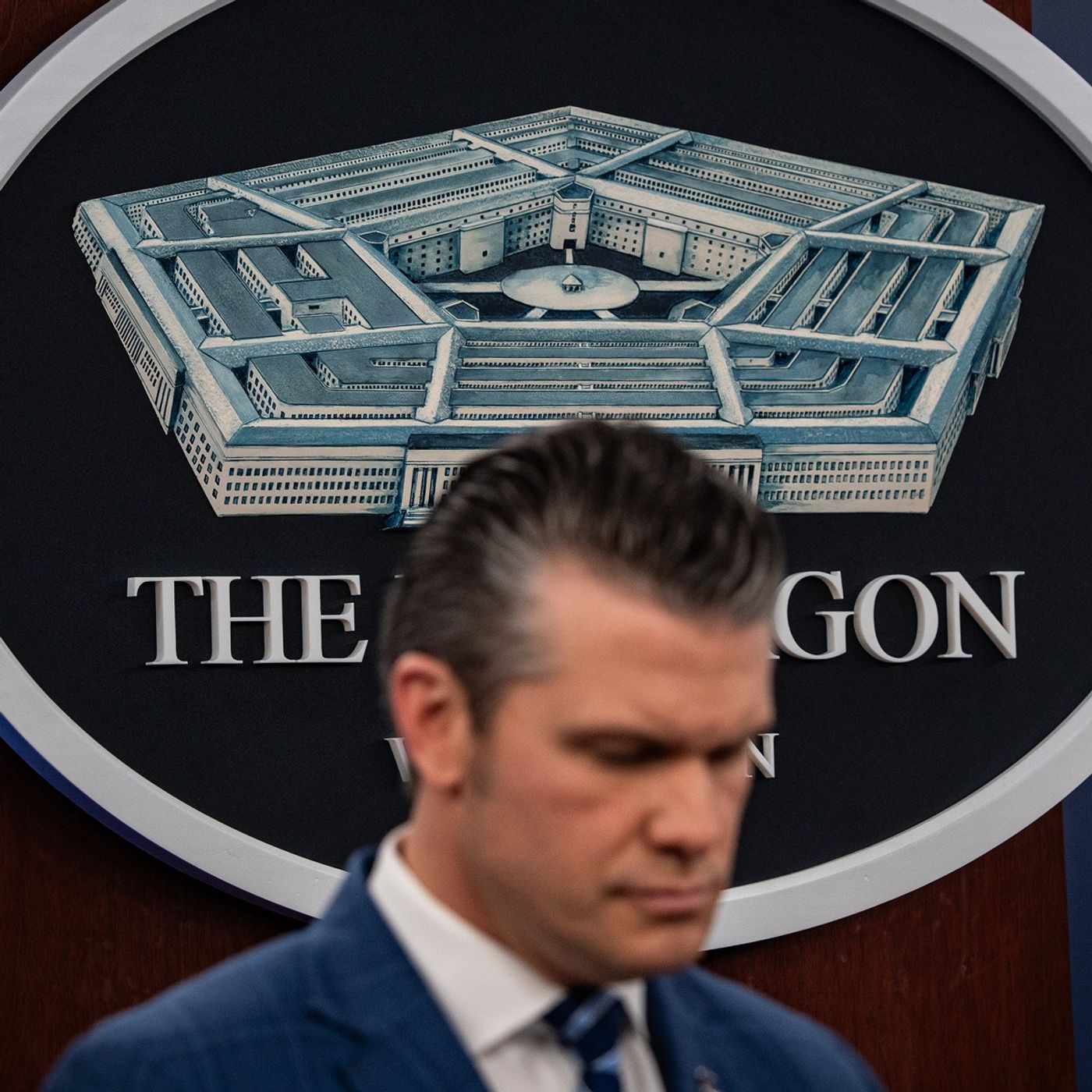
Overview of The Daily: As the Iran War Escalates, Is the U.S. Hiding Its Toll?
This episode examines the rapidly worsening U.S.-Iran conflict after Iranian missile and drone strikes killed U.S. service members in Jordan and wounded many others across the region. Host Michael Barbaro speaks with Pentagon reporter Eric Schmitt about two intertwined developments: the war is broadening and intensifying, while the Pentagon is releasing less information about American casualties and the scope of the fighting.
Key Developments in the Conflict
Deadly strike in Jordan
- Iranian missiles and drones struck a major U.S.-used air base in Jordan.
- At least two, and possibly three, U.S. Army soldiers were killed; several others were seriously injured.
- A separate U.S. soldier was killed in Iraq the next day while detonating an Iranian drone.
- The total number of Americans killed in the war had reached 17.
Iran’s military remains potent
- Despite earlier U.S. claims that Iran’s military had been “destroyed,” Iran still retains significant capabilities:
- attack drones
- missiles
- mine-laying boats
- Schmitt notes that Iran appears to have used the ceasefire period to rebuild and restock, especially its drone and missile arsenal.
- The episode emphasizes that Iran has proven able to survive sustained U.S. and Israeli pressure and still mount serious attacks.
The Pentagon’s Growing Lack of Transparency
Less disclosure about casualties and attacks
- The Pentagon did not publicly reveal earlier attacks on the same Jordan base, even though U.S. troops had been wounded.
- Schmitt says the military is balancing:
- operational security — not helping Iran refine its attacks
- public accountability — informing Americans about the war’s real toll
- The episode suggests the administration may be using the ceasefire as a rationale to say less, even as the conflict clearly continues.
A recent disclosure came only after reporting
- After The New York Times reported on previously undisclosed attacks, the Pentagon disclosed that since July 7, about 100 American service members had been injured.
- Most have returned to duty, but the number underscores how much had not been publicly acknowledged.
How the War Is Escalating
1. More countries are getting drawn in
- The conflict has spread beyond a direct U.S.-Iran exchange.
- Countries increasingly affected include:
- Jordan
- Bahrain
- Kuwait
- Saudi Arabia
- the United Arab Emirates
- potentially Qatar
- Iran is also threatening or activating proxies, especially the Houthis in Yemen.
- Saudi strikes on the Houthis raise fears of a second front in the Red Sea, alongside the Strait of Hormuz.
2. Targeting has expanded
- The U.S. has broadened its strikes from military assets near the Strait of Hormuz to bridges and other infrastructure Iran uses for military movement.
- Iran has expanded its own targeting to include:
- energy sites
- desalination plants
- These are especially alarming because they blur the line between military and civilian infrastructure and could increase civilian harm.
3. The U.S. is rebuilding its force posture
- The U.S. has roughly 15,000 troops in the immediate area, with as many as 50,000 involved overall across the region and parts of Europe.
- Some aircraft had begun quietly heading home during the ceasefire.
- Now the U.S. is rushing fighters and strike planes back to the Middle East, including F-16s and F-35s from Europe, in anticipation of a broader conflict.
Ground War and Diplomacy
Ground operations remain mostly hypothetical
- President Trump has floated possible ground options, including seizing strategic islands in the Persian Gulf.
- But Schmitt says there is little appetite in Congress or among the public for any boots-on-the-ground escalation.
Diplomacy looks stalled
- Secretary of State Marco Rubio has said diplomacy is still possible, but active negotiations appear minimal.
- Qatar and Pakistan are reportedly trying to mediate a return to ceasefire conditions.
- For now, both sides seem locked into escalation rather than compromise.
Main Takeaways
- The ceasefire is effectively dead in practice, even if it still exists in name.
- Iran has shown it can still inflict serious damage on U.S. forces and regional allies.
- The conflict is widening geographically and deepening in terms of targets and tactics.
- The Pentagon is withholding more information than usual, raising concerns that the public is not getting a full picture of the war’s toll.
- The combination of escalating combat and reduced transparency makes the situation more dangerous politically and militarily.
Closing Note
At the end of the episode, the White House says the bodies of the two American soldiers killed in Jordan will be returned to Dover Air Force Base, and President Trump vows revenge, promising that Iran will “pay” many times over for killing American troops.