Overview of Arizona’s Food Stamp Crisis Is Coming for the Rest of the U.S.
This New York Times Daily episode examines how recent federal and state changes to SNAP, the U.S. food assistance program, have caused a dramatic collapse in benefits in Arizona — and why reporters say similar disruptions could spread nationwide. The core argument is that the new rules, sold as anti-fraud and pro-work reforms, are in practice creating red tape, lost paperwork, and case closures that push eligible people off the program.
What Changed in SNAP
The episode traces the crisis back to a federal law passed to help pay for President Trump’s tax cuts. The law did two major things:
- Expanded work requirements: people up to age 65 now must meet work rules to receive benefits, up from age 55.
- Shifted financial risk to states: if a state’s SNAP error rate is too high, it can be forced to pay up to 15% of benefits itself.
That second change is the biggest driver of Arizona’s rollback. Because states now face potentially enormous penalties, Arizona tightened paperwork rules and processes aggressively to avoid being hit with costs it could not afford.
Why Arizona Was Hit First
Arizona moved quickly to comply with the new system, and that meant:
- more paperwork requirements,
- stricter documentation standards,
- fewer caseworkers handling more complex applications,
- and far less capacity to resolve routine problems.
The result: Arizona’s SNAP rolls fell by about half, and around 450,000 people lost nutrition aid, including more than 100,000 children.
The episode argues that many people lost benefits not because they were ineligible, but because they could not navigate an overloaded and increasingly rigid bureaucracy.
Human Impact: Two Case Studies
Alejandra Casillas
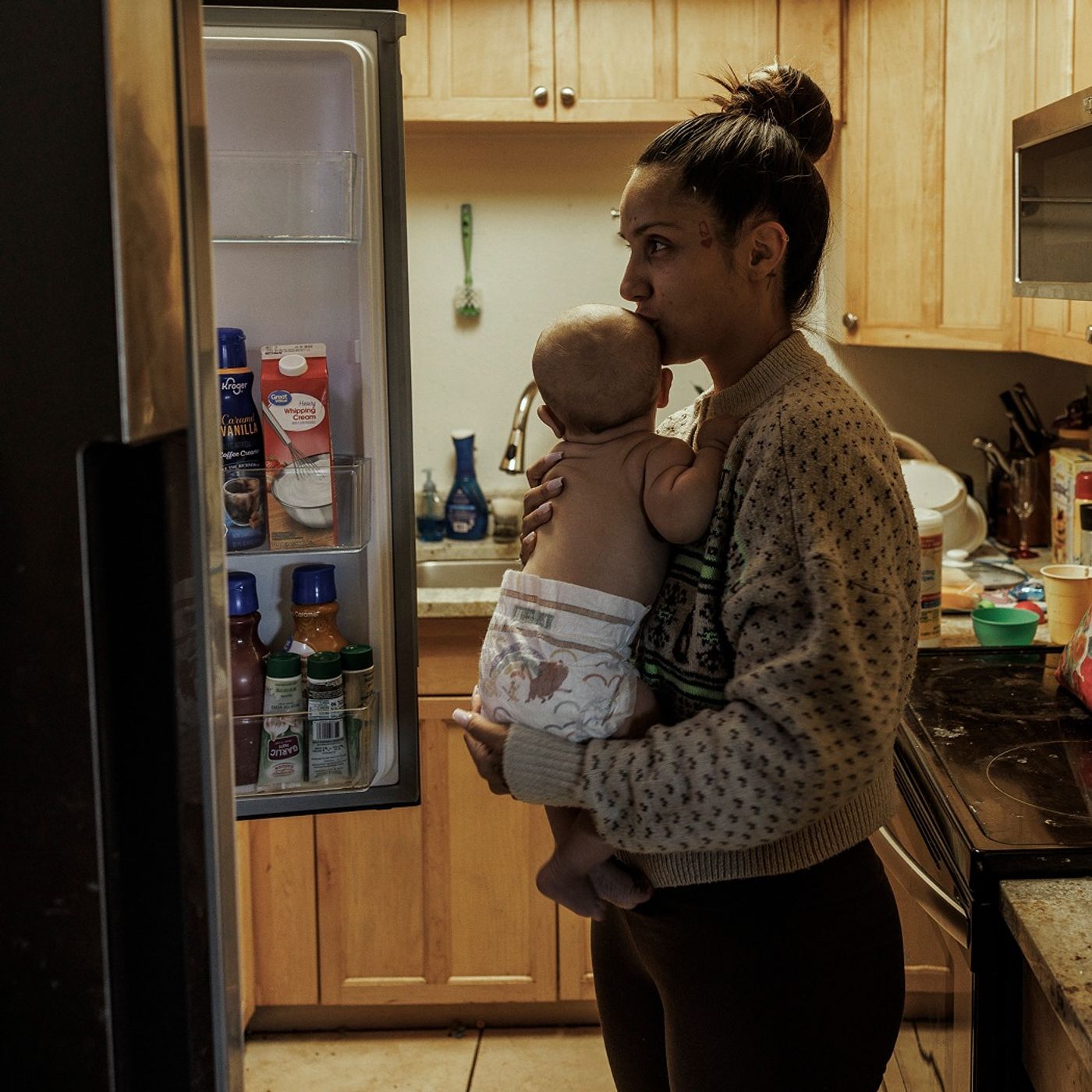
Alejandra, a working mother of two in Phoenix, repeatedly tried to get SNAP but could not get through by phone for her required interview. She encountered impossible deadlines and call-center bottlenecks. At one point, she described feeling so desperate that she fantasized about stealing food, while also worrying about feeding her children and stopping breastfeeding because she feared she lacked nutrients.
Her story illustrates the episode’s central point: the system often makes eligible people fail procedural hurdles rather than deciding cases on need.
Dee McDonald
Dee, a 65-year-old grandmother in Mesa, had relied on SNAP for about 15 years to help care for grandchildren. Her benefits stopped after she submitted the wrong year’s income form — a mistake she was ready to fix — but officials would not reopen the case.
She was told to appeal, but months later she was still waiting. Without SNAP, she described constantly worrying about basic meals, groceries, and whether there would be enough food for the children in her care.
The Bigger Argument
The episode pushes back on the claim that the falling caseload proves fraud is being rooted out. Jason DeParle says there is no evidence of widespread systemic fraud to explain the size of the declines in Arizona or elsewhere.
Instead, the reporting suggests a different dynamic:
- states fear penalties for small errors,
- so they become more conservative about approving benefits,
- which leads to eligible people being denied or dropped,
- which makes the program smaller without necessarily making it more accurate.
In other words, the system becomes safer for governments to manage by being harder for people to access.
Why This Could Spread Nationally
Arizona may be an extreme case, but the episode warns that other states could face similar outcomes because:
- federal administrative funding for SNAP is set to be cut in half,
- some states will need to slash staff or tighten procedures,
- and the new penalty structure creates a strong incentive to avoid paying benefits rather than risk an error.
Some states already have caseload declines of 15% to 20%, and while not all will respond like Arizona, the episode says the national effect could be severe.
Main Takeaways
- SNAP is being reshaped by federal policy in ways that make it harder for eligible people to stay enrolled.
- Arizona’s massive benefit drop was driven less by fraud than by bureaucratic bottlenecks and state fear of federal penalties.
- The changes disproportionately hurt working poor families, children, seniors, and caregivers.
- Other states may soon face the same pressure, making Arizona a possible preview of a much larger national crisis.
Bottom Line
The episode frames Arizona as a warning: a program meant to prevent hunger can be hollowed out not only by direct cuts, but by rules that make access so difficult that people lose benefits even when they still qualify.