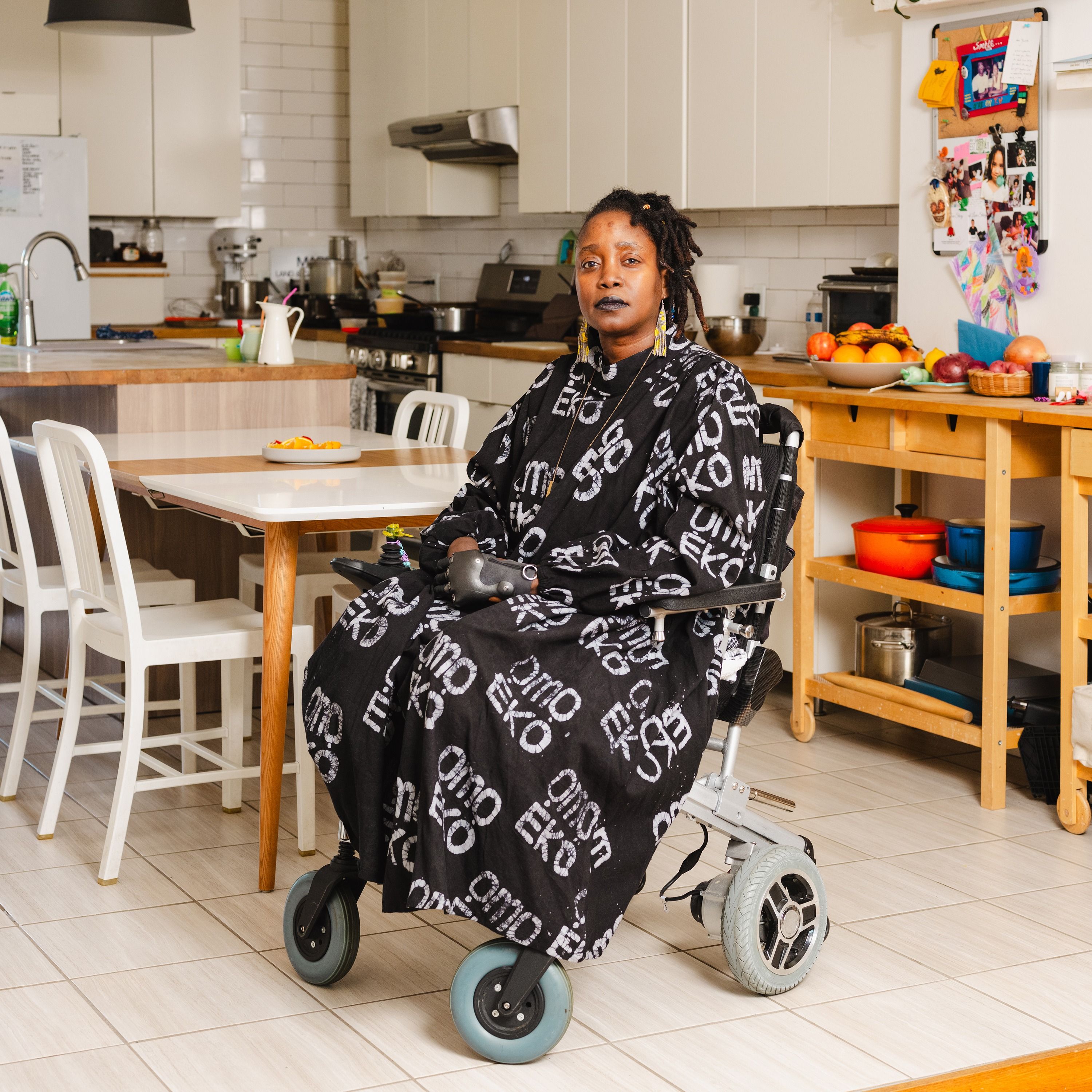
Overview of After Losing Her Limbs, Our Cooking Columnist Returns to the Kitchen
This episode of The Daily features New York Times cooking columnist Yewande Komolafe reflecting on her life after a devastating sickle cell crisis led to a six-week coma and multiple amputations. Speaking from her Brooklyn kitchen, she explains how food, family, and a return to cooking became central to her recovery, identity, and sense of survival. The conversation traces her journey from a restaurant career to recipe writing, through medical trauma, and back into the kitchen with prosthetics and the help of a cooking assistant.
Key Background
Yewande Komolafe’s career and relationship to food
- Komolafe is known for translating restaurant-level cooking into accessible home recipes.
- She grew up in Lagos, Nigeria, where her mother was a food scientist and helped spark her lifelong interest in food.
- Before joining The New York Times, she worked in restaurant kitchens and later became a recipe developer and columnist.
- Her cookbook, My Everyday Lagos, was nominated for a James Beard Award.
Understanding sickle cell disease
- Komolafe explains sickle cell as an inherited blood disorder in which misshapen cells can block circulation.
- The disease can cause intense pain crises, fatigue, and serious complications.
- She says managing it has always required strict self-care: hydration, sleep, pacing herself, and knowing her limits.
The Medical Crisis
What happened in 2023
- After a trip to Paris and a bout of illness, Komolafe went to the ER with severe pain.
- She was diagnosed with influenza A, which was especially dangerous given her condition.
- She recalls repeated communication with doctors and a sense that her pain was not being properly managed.
- The situation escalated, and she woke up in a different hospital after being in a coma for six weeks.
The aftermath
- Because parts of her body lost blood flow while she was unconscious, doctors amputated:
- Nine fingers
- Both legs below the knee
- She describes the realization as shocking, but says she initially shifted into a survival-focused “go mode,” similar to the mindset of service in a busy restaurant.
Food as Recovery and Comfort
Eating as a sign of life
- While hospitalized, she could not eat because she was intubated and later had a tracheostomy.
- When she could eat again, her diet was limited to bland foods like applesauce and ice chips, which she found deeply frustrating.
- She longed for the flavors of home, especially spicy and Nigerian food.
Cravings and memory
- Komolafe says she craved foods tied to childhood and healing, especially:
- Jollof rice
- Pepper soup
- Pastries
- Salmon bagels from Melissa Clark
- Food became emotionally tied to survival, memory, and reconnection with her former self.
Community and tenderness
- Friends visited, brought food, and sometimes fed her.
- She describes this as an act of intimacy and care after prolonged physical trauma.
- The experience helped her feel both nourished and emotionally held.
Returning to the Kitchen
Life at home after amputation
- At home, Komolafe had to confront how much her daily life had changed.
- Her husband handled most morning routines for their children, while she could mainly observe.
- She describes this as a form of grief: the loss was not only bodily, but woven into everyday family life.
Learning prosthetics
- She is now learning to use both upper- and lower-limb prosthetics.
- She compares the process to a baby learning to move, requiring patience, repetition, and retraining her nervous system.
- Using prosthetics is physically demanding, but also emotionally empowering.
How she works now
- Komolafe still develops recipes, but now does so with the help of a cooking assistant.
- Her process includes:
- Coming up with an idea
- Dictating recipes to her computer
- Working with an assistant who chops, stirs, lifts, and handles tasks she can no longer do independently
- She remains highly involved in the sensory and editorial parts of cooking:
- Tasting
- Watching
- Listening
- Taking notes
- Giving instructions and feedback
Notable Insights
Cooking as identity, not just labor
- Komolafe says cooking is “innate” to her—it is something she is compelled to do.
- Even though her body has changed, her passion and creative process remain intact.
- She frames this as learning how to do what she loves in a “new life,” not abandoning it.
Patience and collaboration
- Working with assistants requires mutual patience, trust, and communication.
- The kitchen has become a place where she balances independence with interdependence.
- She says the experience has also taught her patience with herself.
A continuum between old and new selves
- Food links her past and present.
- She describes eating a mango or making cream with a prosthetic hand as moments that connect her current life to her earlier identity.
- For her, food is a through line: a way to remember, adapt, and keep moving forward.
Main Takeaways
- Survival reshaped her relationship to food: eating, once ordinary, became deeply symbolic during her recovery.
- Grief and adaptation coexist: Komolafe speaks candidly about loss, while also showing how she rebuilt a life around it.
- Her creative work continues: she still writes and develops recipes, now with assistance and prosthetics.
- Food remains her anchor: it connects her to family, memory, culture, and the self she has always been.