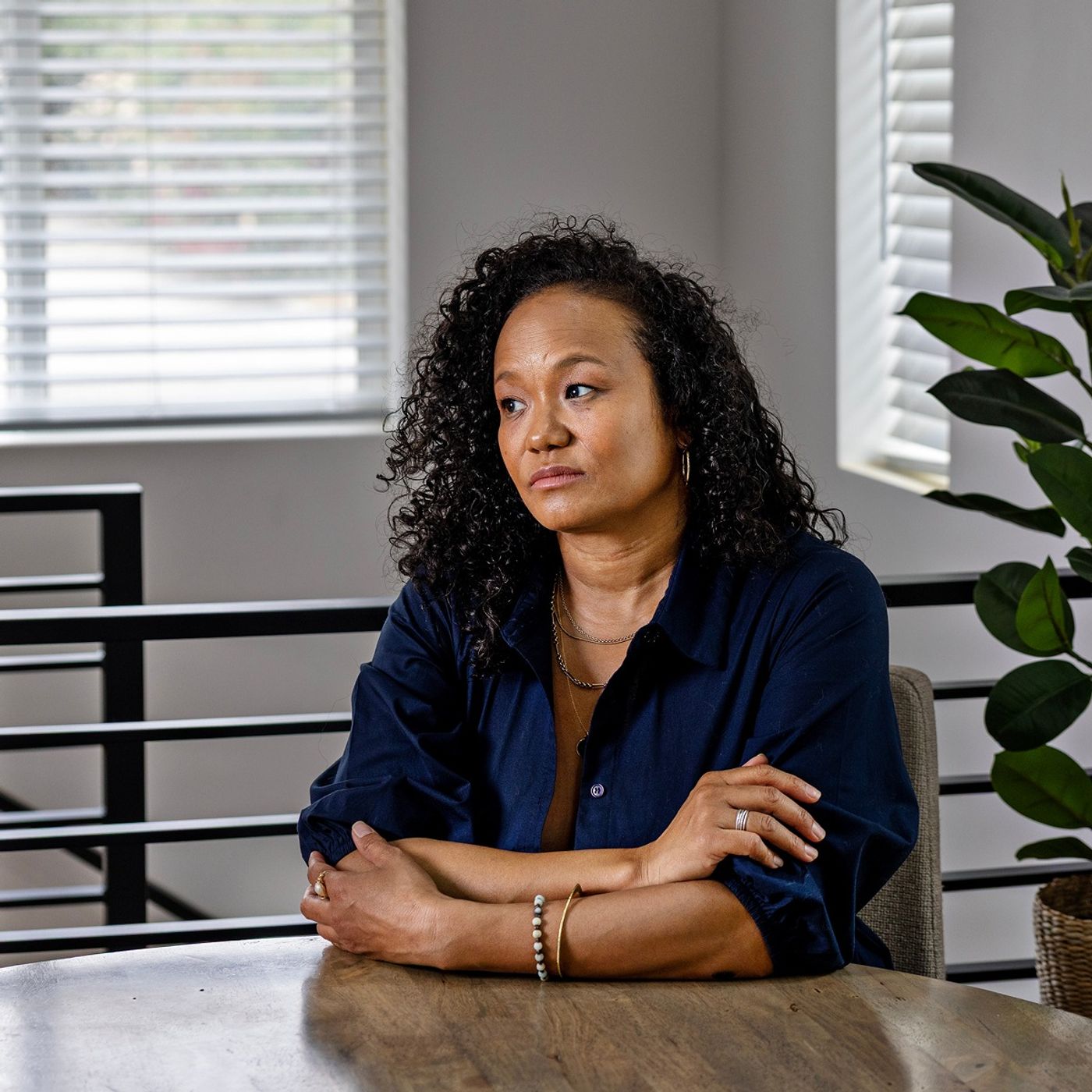
Overview of The Daily: A Couple Breaks Up. Who Gets Custody of Their Embryos?
This episode of The Daily examines a New York legal battle over frozen embryos after a couple’s relationship collapsed during IVF treatment. Reporter Caroline Kitchener tells the story of Erin Millinder and Adam Rubin, whose fight over two remaining embryos raises a larger question that U.S. courts and legislatures are still struggling to answer: when a couple breaks up, who gets to decide the fate of embryos created together?
The Couple at the Center of the Case
Erin’s long-running desire to have a family
- Erin Millinder, a lawyer in her late 40s, had wanted a family for most of her life.
- Because she prioritized career stability and did not marry young, she spent years dating carefully and trying to find the right partner.
- She eventually met Adam Rubin through a mutual friend in 2018, and they connected quickly.
Their relationship and shared plans
- Early in the relationship, Erin was explicit that she wanted children and would keep a pregnancy if one happened.
- The couple grew closer over time, especially when Adam helped care for Erin’s ill father.
- They married in 2021 and planned to start trying for children right away, given Erin’s age and fertility concerns.
IVF, Fertility Decline, and Relationship Strain
The emotional and medical pressure of IVF
- Erin received an infertility diagnosis and later learned she was in perimenopause.
- The couple went through IVF and created only three embryos, one of which had abnormalities.
- Their first embryo transfer failed, which coincided with Erin’s father suffering a severe stroke and declining health.
The breakup
- Erin felt overwhelmed by:
- fertility treatments,
- her father’s illness,
- work demands,
- and the emotional weight of it all.
- She asked for space and stepped back from some of the IVF process.
- Adam felt shut out and described being excluded from what he saw as a joint effort to build a family.
- Their relationship deteriorated quickly, and Adam raised divorce by June 2023.
The Embryo Custody Dispute
What happened after the breakup
- Erin planned to transfer another embryo soon after.
- Instead, she learned from the clinic that Adam had revoked consent for any further embryo use.
- Erin then froze her eggs and considered other options, but the embryos created with Adam remained her best biological chance at having a child.
The legal issue
- The couple had signed IVF agreements, but they were incomplete:
- At one point, they agreed leftover embryos would be donated to research.
- Later, they agreed that in the event of divorce, the embryos would go to one party or the other.
- They never specified which party.
Arguments in court
-
Erin’s argument:
- Adam had promised they would have children together.
- She had delayed motherhood for years and likely had only one real opportunity left.
- Denying her the embryos would permanently end her chance to become a biological mother.
-
Adam’s argument:
- Erin does not have an absolute right to biological parenthood.
- He should not be forced into fatherhood against his will.
- He also argued that raising a child without his involvement would conflict with his Jewish faith and reduce him to an anonymous donor.
The Court Ruling and What Happened Next
- A lower court ruled in Erin’s favor, allowing her to proceed with the embryo transfer.
- Anticipating an appeal, Erin moved quickly and completed the transfer before the ruling was stayed.
- She later learned she was pregnant.
- Adam appealed, and the appellate court temporarily blocked further use of the remaining embryo.
- As of the episode, the case was still on appeal, and one embryo remained in legal limbo.
Why This Case Matters Beyond One Couple
The broader legal landscape
- Two-thirds of U.S. states reportedly have no binding precedent on what happens to embryos after a breakup.
- In many places, judges are deciding these cases without clear statewide rules, leading to inconsistent outcomes.
- States are starting to confront the issue:
- Arizona passed a law in 2018 favoring the party more likely to use the embryos to have children.
- Michigan’s Supreme Court recently declined to decide a similar case, pushing the issue back to lawmakers.
The bigger question
- The episode frames this as a major unresolved legal and moral problem created by modern reproductive technology.
- IVF produces hundreds of thousands of frozen embryos nationwide, and courts have not yet settled how to balance:
- one person’s wish to become a parent,
- another person’s wish not to become one,
- and the question of who controls embryos after a relationship ends.
Key Takeaways
- IVF creates legal and ethical dilemmas that traditional family law often cannot resolve.
- Embryo custody disputes are becoming more common as IVF use grows.
- Courts are divided on whether embryos should be treated more like property, potential life, or something in between.
- This case highlights how reproductive technology can turn private relationship conflict into a high-stakes legal battle.
- The episode suggests the law is still far behind the realities of modern family-making.
Closing Thought
The central tension in the episode is stark: Erin sees the embryos as her last chance at motherhood after years of sacrifice, while Adam sees forced parenthood as an unacceptable violation of his autonomy. The story shows how IVF can transform deeply personal decisions into unresolved legal questions with consequences far beyond one couple.