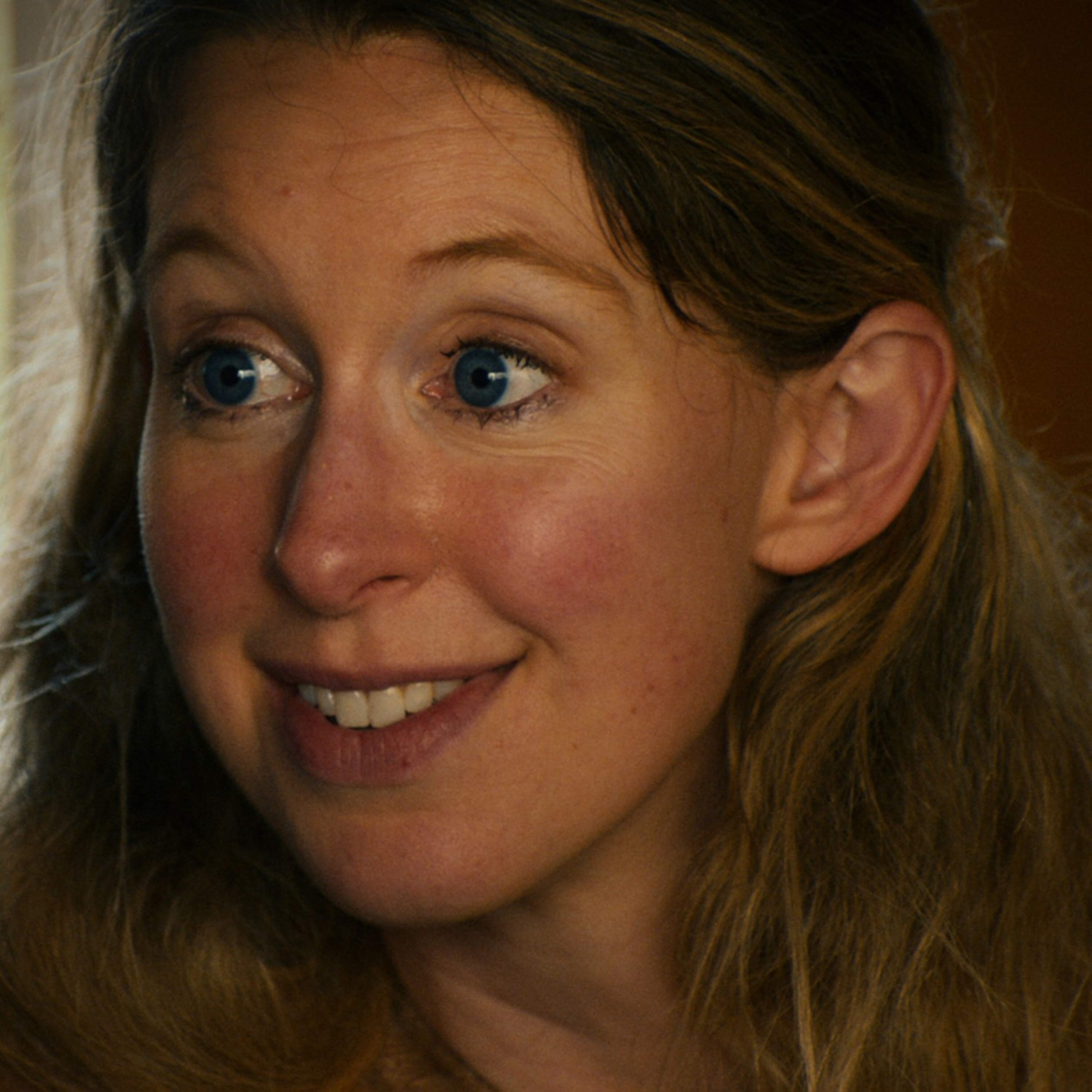
Overview of NPR Shortwave’s “You Can See Everything and the science of spotting liars”
This episode uses the documentary You Can See Everything—centered on Elizabeth Holmes, Theranos, Billy Evans, and Nathan Fielder—as a springboard into the science of deception detection. The core message: people are far worse at spotting lies than they think, and many of the cues we trust most, like eye contact, facial expressions, and body language, are not reliable indicators of truthfulness.
Main Themes
The documentary as a case study in uncertainty
- The film’s intimate camera work and tense interviews invite viewers to scrutinize every pause, twitch, and glance.
- The episode argues that this instinct is common—but often misleading.
- Elizabeth Holmes’s claim that she had “never lied in her life” is used as an example of how easily people can become preoccupied with deciding who is truthful.
Why we want to believe we can spot lies
- Humans are generally truth-biased: we tend to assume others are honest unless shown otherwise.
- The desire to identify liars is tied to our need for certainty, control, and a “just world” where deception leaves visible clues.
- The episode suggests that this belief can make us overconfident and vulnerable to pseudoscience.
What the science says about lying and deception
Common lie-detection myths are weak
- Eye contact is not a reliable cue to lying.
- Microexpressions, facial tension, shifty eyes, and body language are not dependable indicators of deception.
- Maria Hartwig, a psychology professor at CUNY who studies deception, pushes back strongly on “body language expert” claims.
Lying is more ordinary than people think
- Most lies are not grand scams; they often serve everyday social purposes:
- avoiding embarrassment
- sidestepping consequences
- smoothing social interactions
- The episode distinguishes between:
- small, low-stakes lies
- large, consequential lies that may conceal wrongdoing
The environment can influence disclosure
- Hartwig explains research showing that open, spacious rooms can prime people to be more open and provide more information.
- By contrast, typical small, enclosed interrogation rooms may encourage less disclosure.
- This is framed through embodied cognition / metaphoric transfer effects: physical space can shape behavior.
Better ways to detect deception
Focus on evidence, not vibes
- Hartwig says the most reliable way to test truthfulness is through known or checkable facts.
- Interviewers should withhold some evidence and ask questions strategically to see whether a story holds up.
Strategic Use of Evidence
- The technique discussed is called the strategic use of evidence.
- Its purpose is not just to catch liars, but also to:
- give innocent people a chance to explain evidence they didn’t create
- protect against false accusations
- improve the quality of investigations
Why this matters
Protecting innocent people is just as important as catching guilty ones
- Hartwig emphasizes that the legal system must avoid convicting innocent people.
- Wrongful convictions harm both the individual and society by:
- imprisoning the innocent
- allowing the actual offender to remain free
The cost of false confidence
- The episode warns that relying on intuition, stereotypes, or pseudo-expert advice can be dangerous—especially in law enforcement and security contexts.
- The central takeaway is that you can observe everything and still not know what’s true without proper evidence.
Key Takeaway
The episode’s big idea is simple but unsettling: lies usually cannot be reliably “seen” in the face or body. Real deception detection is slower, more careful, and evidence-based—and the science is much less cinematic than popular culture suggests.