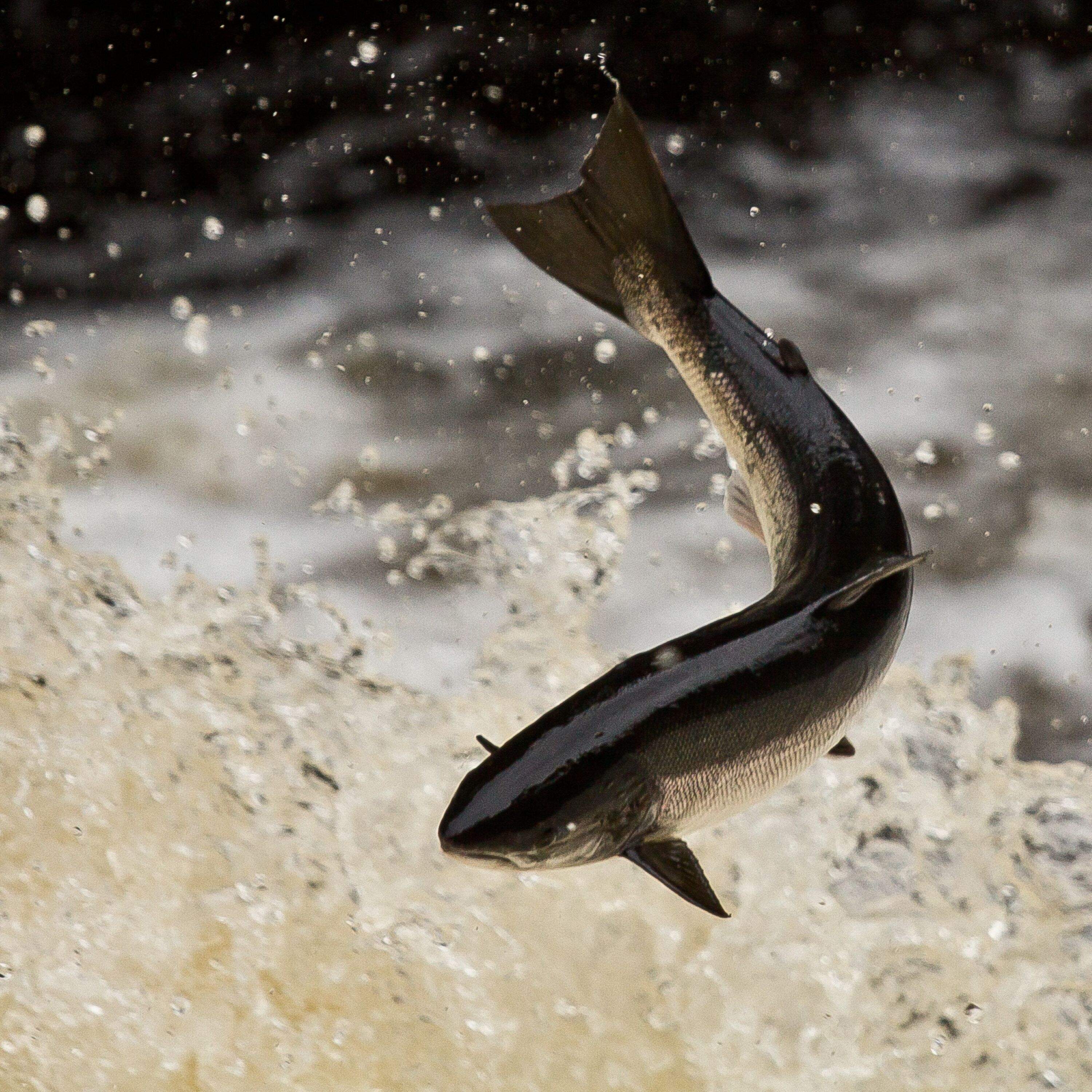
Overview of Why Swedish scientists gave salmon cocaine
This NPR Short Wave episode explains a Swedish study that gave salmon controlled doses of cocaine and cocaine’s main breakdown product to see whether trace drug pollution in waterways can affect fish behavior. The big finding: the metabolite, not just cocaine itself, made salmon move more, suggesting that wastewater-borne drug residues may have stronger ecological effects than scientists previously assumed.
Key Takeaways
- The study tested whether drug pollution can change fish behavior in the wild.
- Researchers implanted 105 hatchery salmon with either:
- cocaine
- cocaine’s main metabolite (a breakdown product found in wastewater)
- no drug as a control
- The fish also received acoustic trackers so scientists could monitor movement in a lake using underwater microphones.
- Fish exposed to the metabolite moved more than fish exposed to cocaine or no drug, and by the end of the study they were traveling about twice as far.
- The results suggest that drug byproducts may matter as much as, or more than, the original drug in environmental risk assessments.
Why This Matters
Pharmaceutical pollution is widespread
The episode emphasizes that drugs people consume are increasingly ending up in rivers, lakes, and other ecosystems because wastewater treatment plants are not designed to fully remove many pharmaceuticals.
Wildlife may be vulnerable
These compounds can affect neurological receptors that are evolutionarily conserved across mammals, fish, and other vertebrates. That means drugs designed to alter human brain chemistry may also alter animal behavior.
Behavioral changes can have ecological costs
If fish swim more, they may:
- use more energy
- need to forage more
- face higher predation risk
- alter food webs and predator-prey dynamics
Study Method and Findings
How the experiment worked
- Fish of the same age and background were selected to reduce confounding variables.
- Each fish received a slow-release implant of either cocaine, the metabolite, or nothing.
- A small acoustic tag was also implanted to track movement over time.
What the researchers observed
- Salmon exposed to the drugs, especially the metabolite, moved farther than control fish.
- The effect was notable because the metabolite is often assumed to be biologically inert in mammals.
- This challenges the common focus on only the parent compound during environmental risk assessments.
Open Questions
Jack Brand notes that several important questions remain:
- What biological mechanism causes the increased movement?
- What are the long-term effects on fish health and survival?
- How do real-world chemical mixtures interact, since waterways contain many different pollutants at once?
The episode frames pharmaceutical pollution as an “invisible agent of global change” that is easy to overlook because it isn’t visible like plastic waste or oil spills.
What Can Be Done
The episode points to several wastewater upgrades that can reduce pharmaceutical contamination:
- Activated carbon filtration
- Ozonation and other advanced treatment methods
Main challenge
These systems can be expensive, so they are not evenly available worldwide. Low-income regions may have limited access, making broader policy and funding support important.
Bottom Line
The episode’s central message is that cocaine pollution is not just about the drug itself—its breakdown products may be just as important, or even more impactful, for wildlife. The study adds to growing evidence that pharmaceutical pollution can subtly but significantly change animal behavior, with consequences for ecosystems and conservation.