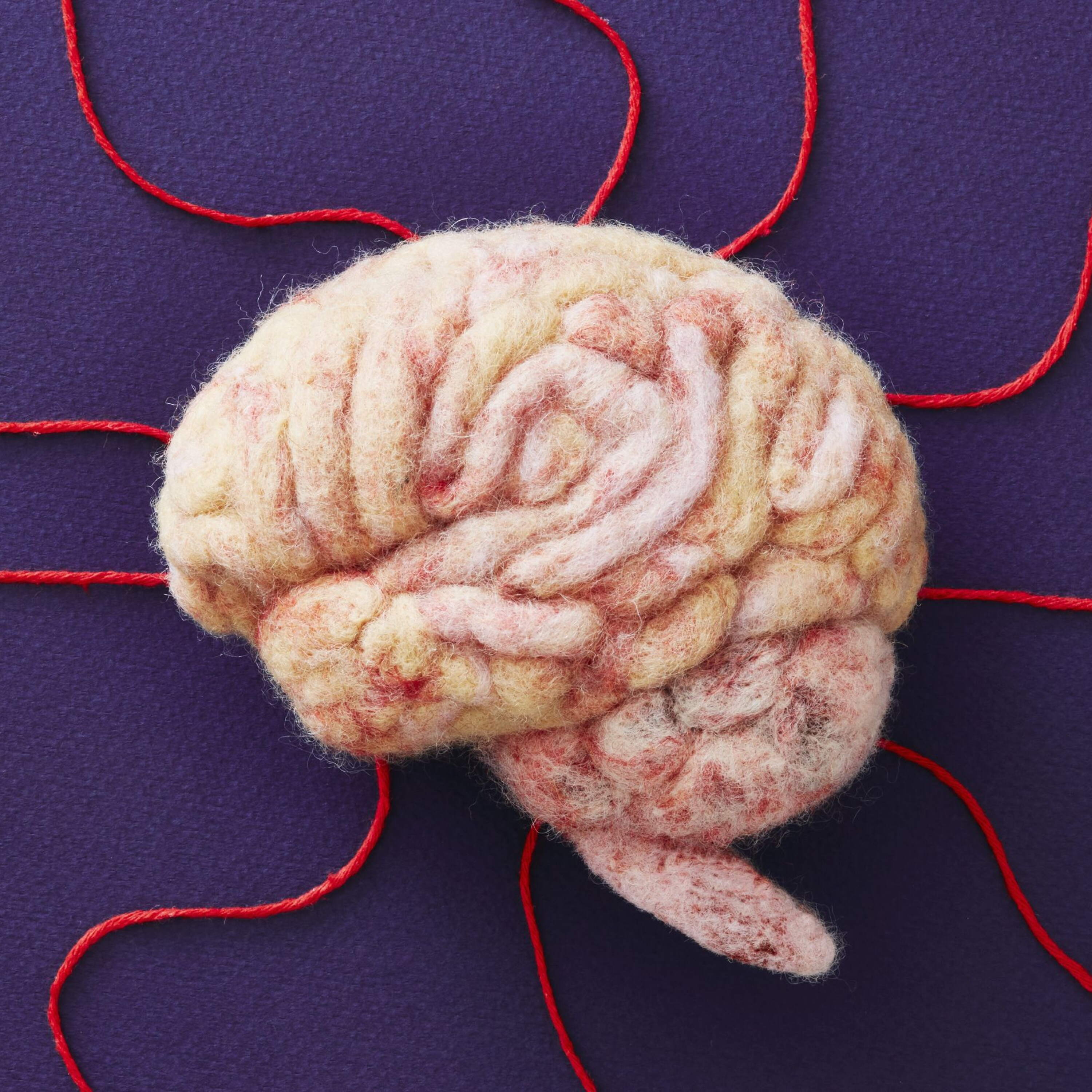
Overview of When is your brain actually “adult”?
This NPR Short Wave episode explores new neuroscience research suggesting that the human brain develops in distinct stages across the lifespan—and that the so-called “adult brain” may not fully emerge until around age 32, not 25. Neuroscientist Duncan Astle explains how his team analyzed 4,000 MRI scans from birth to age 90 to identify major turning points in brain organization, myelination, and aging. The big idea: brain development is much slower, more continuous, and more adaptive than the classic “brain is done at 25” belief.
Key Takeaways
- The brain does not appear to switch from “child” to “adult” at a single age.
- Instead, the study found four major developmental phases separated by turning points.
- The period from about 9 to 32 looks like a long adolescent/teen development phase focused on building and insulating long-range connections.
- After about 32, brain structure becomes relatively stable until roughly 66, when aging-related changes become more noticeable.
- In later life, the brain shifts toward preserving efficiency and relying more on key hubs.
- Brain development is only part of the story—social, hormonal, cardiovascular, and health factors also matter a lot.
The Four Brain Development Phases
1) Birth to age 9: Rapid connectivity growth
- The brain experiences an explosion of local connections.
- This phase is about building lots of short-range wiring between nearby regions.
- It’s a period of intense structural growth and organization.
2) Ages 9 to 32: Long-range integration and myelination
- The brain begins strengthening long-distance connections.
- These connections are insulated through myelination, which helps signals travel more efficiently.
- Astle describes this phase as the brain’s effort to wire together clusters into a more integrated system.
- This is the study’s most surprising result: the brain remains in a broadly adolescent-like developmental mode until about 32.
3) Ages 32 to 66: Relative stability
- Brain organization becomes much more stable.
- The network resembles a well-built system that mainly needs maintenance, not major redesign.
- This phase is likened to a highway system that’s already connected and just needs upkeep.
4) Age 66 and older: Early aging and later aging
- The brain begins to become more modular in early aging.
- In older age, certain key hubs become especially important for keeping the system functioning efficiently.
- The focus shifts from building and integrating to preserving performance.
Why This Matters
Rethinking “adult” development
- The episode challenges the common belief that brain maturity is mostly complete by 18, 21, or 25.
- Astle argues that the late 20s are a more important developmental window than previously recognized.
Understanding behavior and mental health
- The brain’s long maturation may help explain:
- impulsivity and behavior control challenges in adolescence
- why some mental health conditions first appear during this period
- The episode notes that:
- ADHD symptoms often become recognizable around ages 6–9
- many anxiety, depression, and schizophrenia symptoms begin in adolescence
- roughly 75% of these conditions first appear before 24 or 25
Human development as a species advantage
- Astle argues that slow development may be a strength, not a flaw.
- Compared with other species, humans have an unusually long childhood and adolescence.
- This long timeline may allow for:
- greater adaptation to the environment
- larger brain growth
- more individual variation across people, including twins
Limitations and Caveats
- The study reflects an average brain pattern across thousands of scans, so individual differences are smoothed out.
- MRI captures only certain aspects of brain structure, especially connectivity and myelination.
- It does not capture everything happening in the brain, such as:
- hormonal changes
- changes in tissue density
- other biological processes
- Brain health later in life is also strongly influenced by:
- cardiovascular health
- social connectedness
- broader lifestyle and environmental factors
Bottom Line
The episode’s central message is that the brain develops in a slow, structured, and lifelong process. Rather than becoming “adult” at 25, the brain may continue its adolescent-style development until around 32, then remain relatively stable for decades before changing again in later life. The research reframes human development as a long, adaptive journey rather than a quick transition into maturity.