Overview of When batteries get a facelift, so does renewable energy
This NPR Shortwave episode explains why battery storage has rapidly become a major part of the U.S. energy system, especially in California. The story shows how battery technology evolved from consumer electronics into grid-scale infrastructure, helping solar and wind power become more reliable by storing excess energy and releasing it when demand rises. It also looks at what comes next: cheaper chemistries, longer-duration storage, and possible uses beyond the grid, including ships and airplanes.
Why Battery Storage Is Booming
Batteries are now part of the power grid
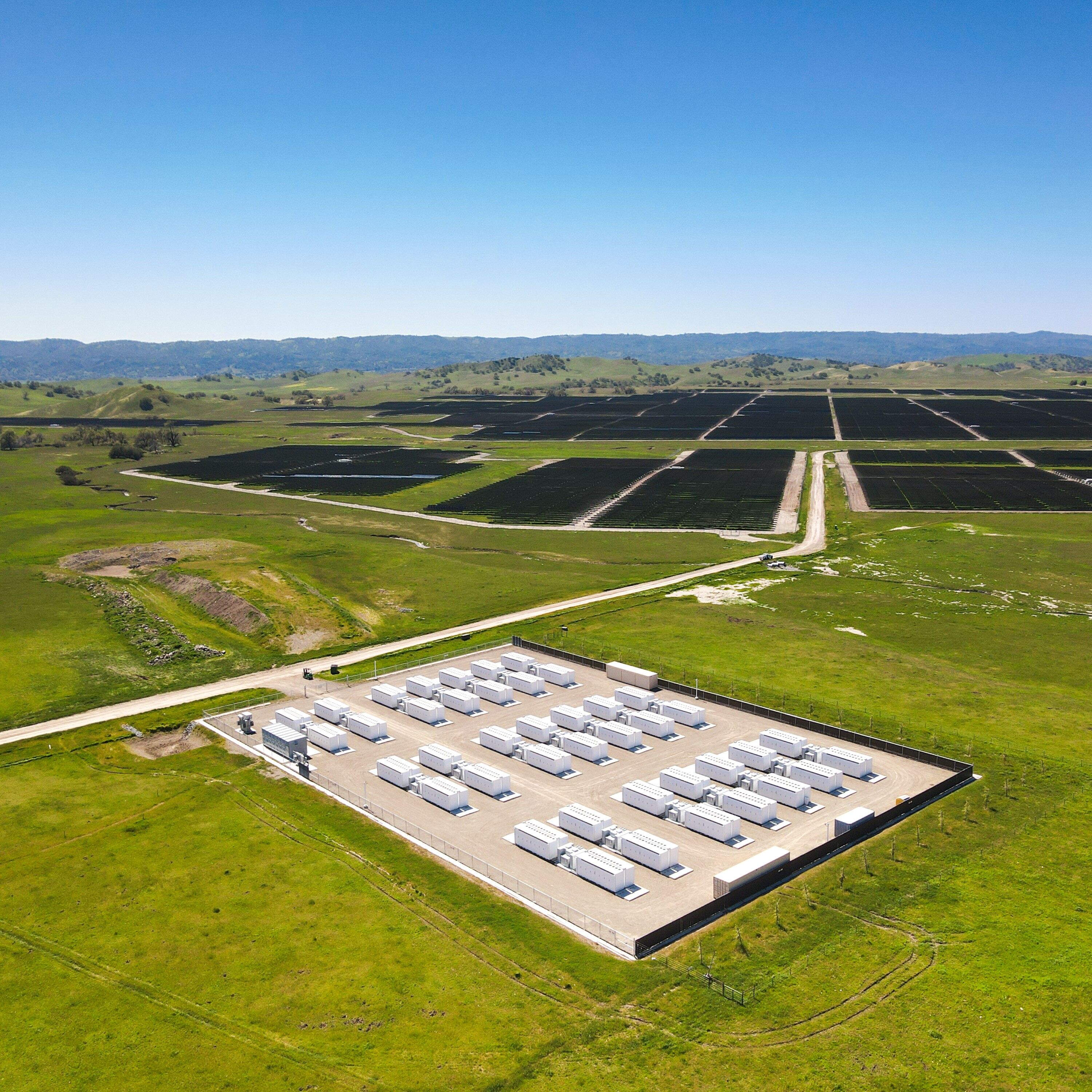
- In California, grid-scale battery storage can be one of the largest sources of electricity on a given day.
- At sites like Cal Flats in Central California, solar panels feed energy directly into batteries onsite.
- One facility described in the episode can power roughly 60,000 homes for a few hours.
Demand is rising from multiple directions
- Batteries are being pulled into more markets because electricity demand is growing from:
- Electric vehicles
- Data centers and AI infrastructure
- Broader electrification across transportation and industry
- Companies building solar-plus-storage projects say there are now plenty of buyers for that power.
The “Battery Domino Effect”
How consumer tech helped create today’s battery industry
- The episode traces modern battery growth back to the 1990s, when lithium-ion batteries became useful in camcorders and other consumer devices.
- As more sectors adopted the same basic technology—laptops, e-bikes, cars, buses, and now grid storage—manufacturing scaled up.
- Bigger scale led to:
- Lower costs
- Better performance
- More factories
- Even more adoption
Policy and global competition mattered too
- Countries recognized batteries as a strategic industry and invested heavily.
- China in particular became a major battery manufacturing hub early, anticipating growth before the market fully emerged.
What Changed Technically
Lithium-ion was the turning point
- Lithium-ion batteries are lighter and more energy-dense than older chemistries like nickel-cadmium or lead-acid.
- They can store more energy, recharge more efficiently, and last longer.
- Their chemistry makes electron transfer easier, which is central to how batteries work.
The cost collapse was dramatic
- Since 2010, average battery costs have fallen by more than 90%.
- That’s one of the fastest cost declines of any energy technology.
New battery types are pushing the market further
- Lithium iron phosphate (LFP) batteries:
- Cheaper
- Less flammable
- Less energy-dense, but good enough for grid storage
- Now a standard choice for many battery-storage installations
- Sodium-ion batteries:
- Even cheaper than LFP in theory
- Use a far more abundant material than lithium
- Reduce dependence on minerals like cobalt and nickel
- Trade some performance for lower cost and lower environmental impact
- Redox flow batteries:
- A potential route to multi-day storage
- Could help move storage beyond the current common four-hour model
Main Takeaways
- Battery storage has moved from “future possibility” to core energy infrastructure.
- Its rise is driven by a combination of falling costs, manufacturing scale, and growing demand.
- The biggest near-term use case is balancing renewable energy on the grid, but batteries are also spreading into transportation and industrial applications.
- The next major leap may come from new chemistries that are cheaper, longer-lasting, or less dependent on scarce minerals.
What’s Next for Batteries
Near-term outlook
- Analysts expect battery capacity to keep rising quickly.
- One forecast cited in the episode suggests capacity could grow by 400% by 2030.
Longer-term possibilities
- Batteries may eventually power:
- Freight ships
- Electric planes
- Longer-duration grid storage
- The episode frames batteries as an underappreciated technological shift with broad economic consequences.
Notable Insight
“When we talk about batteries, there are huge breakthroughs happening that are changing our energy landscape and therefore our entire economy.”
The episode’s central argument is that batteries are no longer just a support technology—they are becoming a foundational part of how modern energy systems work.