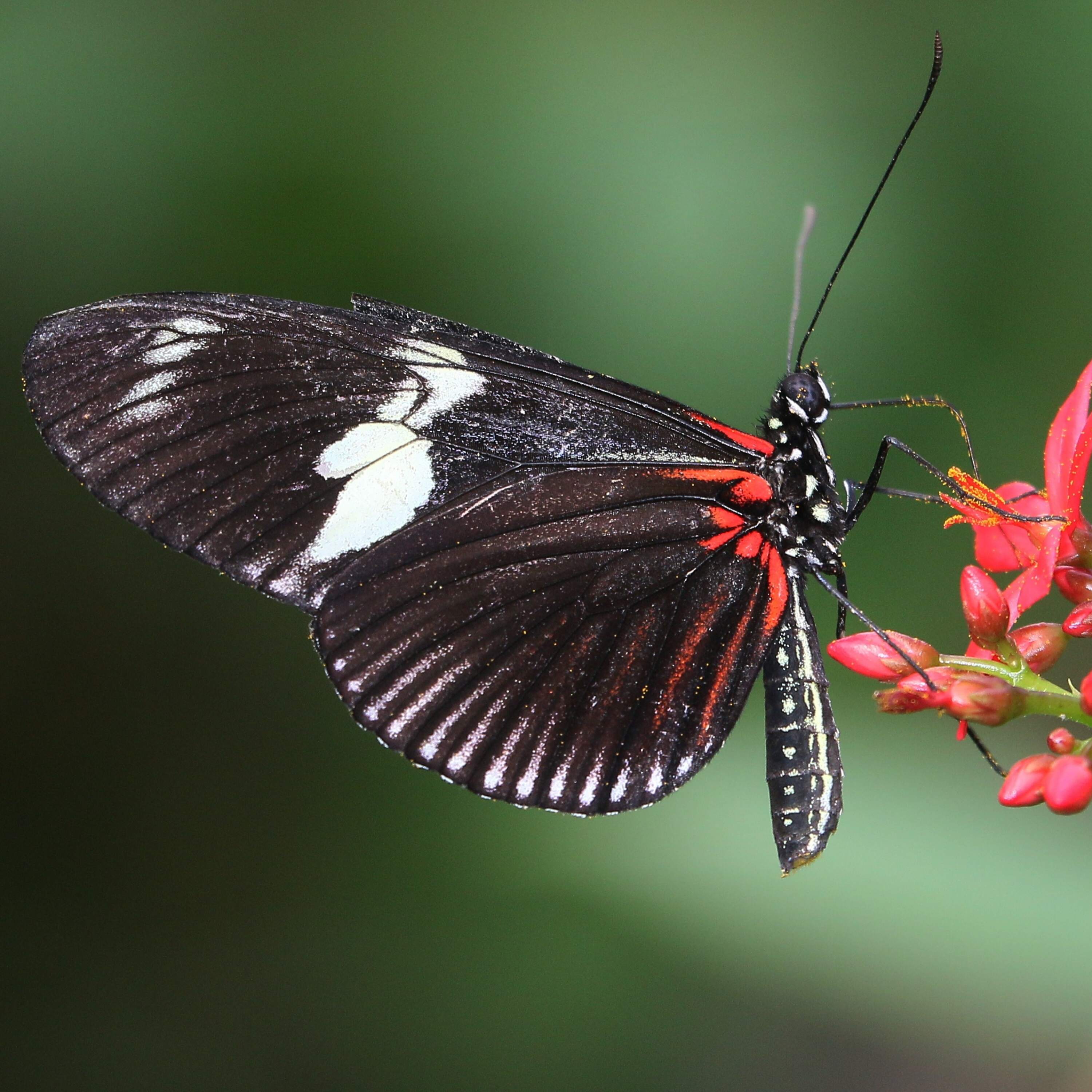
Overview of NPR's “What’s this super-aging butterfly’s longevity secret?”
This NPR Short Wave episode explores the surprising lifespan of Heliconius butterflies, a genus that can live months instead of just a few weeks—up to about 25 times longer than many other butterflies. Host Nate Rotz talks with science journalist Katie Wu about why these butterflies are so unusual, what scientists think pollen has to do with their longevity, and what this research can (and can’t) tell us about aging in humans.
Key Takeaways
-
Heliconius butterflies are longevity outliers.
Unlike most butterflies, they remain active, vigorous, and able to reproduce until very late in life. -
Their extended lifespan may be linked to pollen.
Scientists suspect pollen gives them access to nutrients that help support their unusually long lives. -
This is not a universal anti-aging trick.
Feeding pollen to other butterfly species does not make them live longer, suggesting Heliconius butterflies have evolved specific adaptations that let them use pollen effectively. -
Aging research points to two main strategies for longer life:
- slowing down damage accumulation, or
- improving repair and maintenance systems.
-
Humans likely cannot copy these animal strategies directly.
The episode emphasizes that longevity is not just about environment or diet; it also depends on how a body is built to respond.
How Heliconius Butterflies May Use Pollen
Why pollen matters
Pollen is not soft or easy to consume. It is tough, grainy, and normally requires strong chewing machinery—something butterflies don’t have.
How they eat it
- Butterflies use a proboscis, a straw-like mouthpart usually used to sip nectar.
- Heliconius butterflies appear to collect and grind pollen using that proboscis.
- They may also use saliva enzymes to break pollen down into a usable form.
What scientists still don’t know
The exact mechanism remains unclear, but the important point is that these butterflies can extract nutrients from pollen in a way other butterflies cannot.
What the Episode Says About Aging in Other Animals
Bats as another longevity model
Wu also discusses bats, which are mammals and therefore more relevant to humans.
Scientists think bats may live so long because they:
- hibernate, slowing metabolism and lowering body temperature;
- reduce wear and tear on the body;
- have more controlled, less inflammatory immune responses;
- and may excel at repairing damage that builds up over time.
Core idea
Long-lived animals are often not just doing one “magic” thing. Their bodies are adapted to make longevity possible.
What This Means for Humans
- There is no pollen shortcut for a longer life.
- Lifestyle habits like good nutrition, rest, and self-care still matter, but they likely have limits.
- Human lifespan has increased largely because of:
- vaccinations
- antibiotics
- better hygiene
- improved medical care
- reduced infant and child mortality
Big-picture lesson
The episode suggests there may be an evolutionary ceiling on lifespan, and modern innovations can improve it only so much. In other words, aging research is inspiring, but it’s not a simple “find the right superfood and live 50 years longer” story.
Fun / Memorable Moments
- The host jokes that the butterflies are “living their best lives until the very end.”
- Wu humorously compares pollen to “granola for insects” and the proboscis to a straw attached to the face.
- The episode closes with a clear caution: don’t try licking flowers for longevity.
Bottom Line
The episode’s main message is that longevity comes from evolved biology, not just diet or lifestyle. Heliconius butterflies may owe their long lives to pollen, but only because their bodies evolved to use it. For humans, the research is fascinating—but it does not offer a simple anti-aging hack.