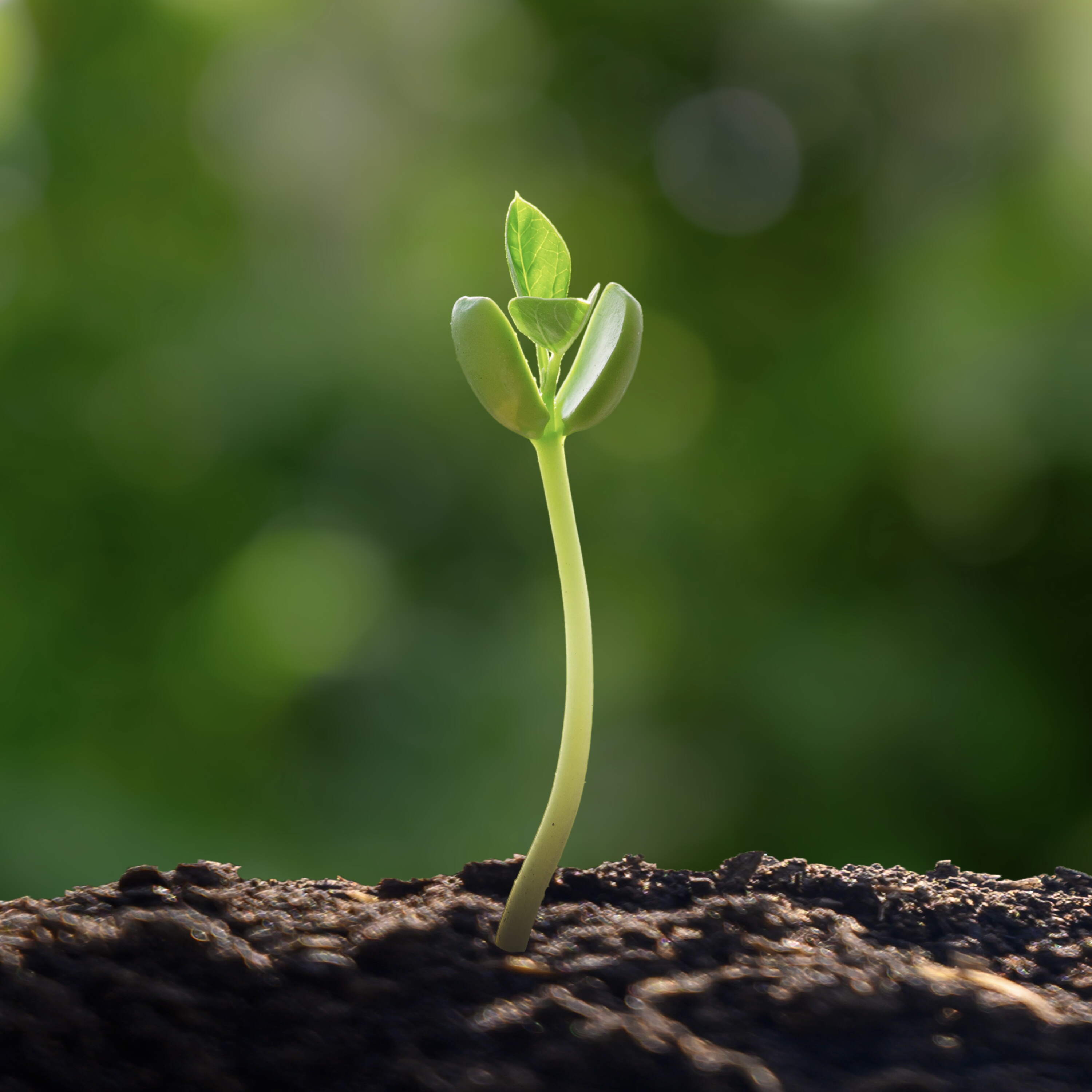
Overview of What’s at stake if we can’t regrow our forests
This NPR Short Wave episode explores why reforesting damaged land is far more complicated than simply dropping seeds from the sky. Host Regina Barber speaks with restoration ecologist Pedro Brancalion of the University of São Paulo about the science, politics, and practical hurdles of rebuilding forests—and why getting it right matters for water, climate, biodiversity, and human livelihoods.
Main idea
Aerial seed bombing can look like a fast, dramatic fix, but the episode argues that real forest restoration requires a much broader strategy:
- choosing the right species for the right place
- preparing the soil and controlling invasive species
- protecting young plants from ants, herbivores, and drought
- aligning restoration goals with landowners, governments, and local communities
Brancalion’s core point: restoration is not a single intervention; it’s a long-term, ecosystem-level process.
Why “just drop seeds” is not enough
The limits of aerial seed bombing
The episode uses examples from:
- Hawaii in the 1930s, when seed drops were attempted after forests were decimated by logging, fire, grazing, and land conversion
- Brazil and the Amazon, including a high-profile 2022 stunt in which a skydiver dropped 100 million seeds
Brancalion’s view is that these efforts often ignore the biggest barriers to successful restoration:
- degraded, compacted soil
- lack of rainfall
- invasive grasses
- leafcutter ants and other herbivores
- weak seedling survival without follow-up care
His message is that seed drops may be part of a solution, but they are not the solution.
What successful reforestation actually requires
1. Define the goal
Restoration depends on what the land is for:
- protected reserves may prioritize native forest recovery
- farmland may require approaches that still support income and food production
2. Choose the right plant material
Species selection matters. Different ecosystems need different kinds of trees and planting strategies.
3. Prepare the site
Before planting, restoration teams often need to:
- improve soil conditions
- remove or suppress invasive plants
- manage pests and herbivores
- ensure the site can support germination and growth
4. Maintain long-term care
Brancalion stresses that restoration is before, during, and after planting. Forests don’t recover from a one-time action.
Why forests matter beyond the forest itself
The episode highlights several consequences of losing tree cover:
- soil erosion on degraded slopes
- sediment runoff into rivers, lakes, and reservoirs
- reduced water quality and water availability
- lower hydropower generation
- damage to tourism
- changes in rainfall patterns, especially in places like the Amazon
- threats to indigenous communities and other local people who depend on forests for survival
A major point is that Amazon forests help move moisture through the atmosphere, influencing rainfall over large areas, including parts of Brazil.
Current restoration efforts and why they may scale better now
Brancalion says the world is in the middle of the UN Decade on Ecosystem Restoration, with major initiatives underway, including:
- the Bonn Challenge, which aims to restore 350 million hectares of degraded forest landscapes globally
- government-led and multilateral projects
- private-sector restoration funded by carbon credits
He is cautiously optimistic because restoration is becoming more financially viable. In his view, when restoration can deliver measurable environmental outcomes and generate revenue, it becomes easier to scale.
Drone seeding: useful tool, not magic fix
The episode acknowledges that drone-based seeding is gaining attention, but Brancalion says it should be understood as part of a broader “technological package,” not a standalone answer.
The key challenge
If seeds are dropped into an area with:
- compacted soil
- invasive plants
- drought
- herbivores
then survival rates will be very low.
His analogy: a seed is like a baby—it needs protection and the right conditions from the start.
Notable insight
Brancalion’s cautionary theme is summed up by the quote he references:
- “For every complex problem, there may always be a simple, elegant, and wrong answer.”
That idea frames the whole episode: reforesting the planet will require patience, planning, money, and local knowledge—not just flashy technology.
Bottom line
The episode’s takeaway is that forest restoration is essential for climate stability, water systems, biodiversity, and human well-being—but it cannot be reduced to symbolic seed drops. Real reforestation is a long-term, site-specific, and socially grounded process that needs sustained investment and careful management.