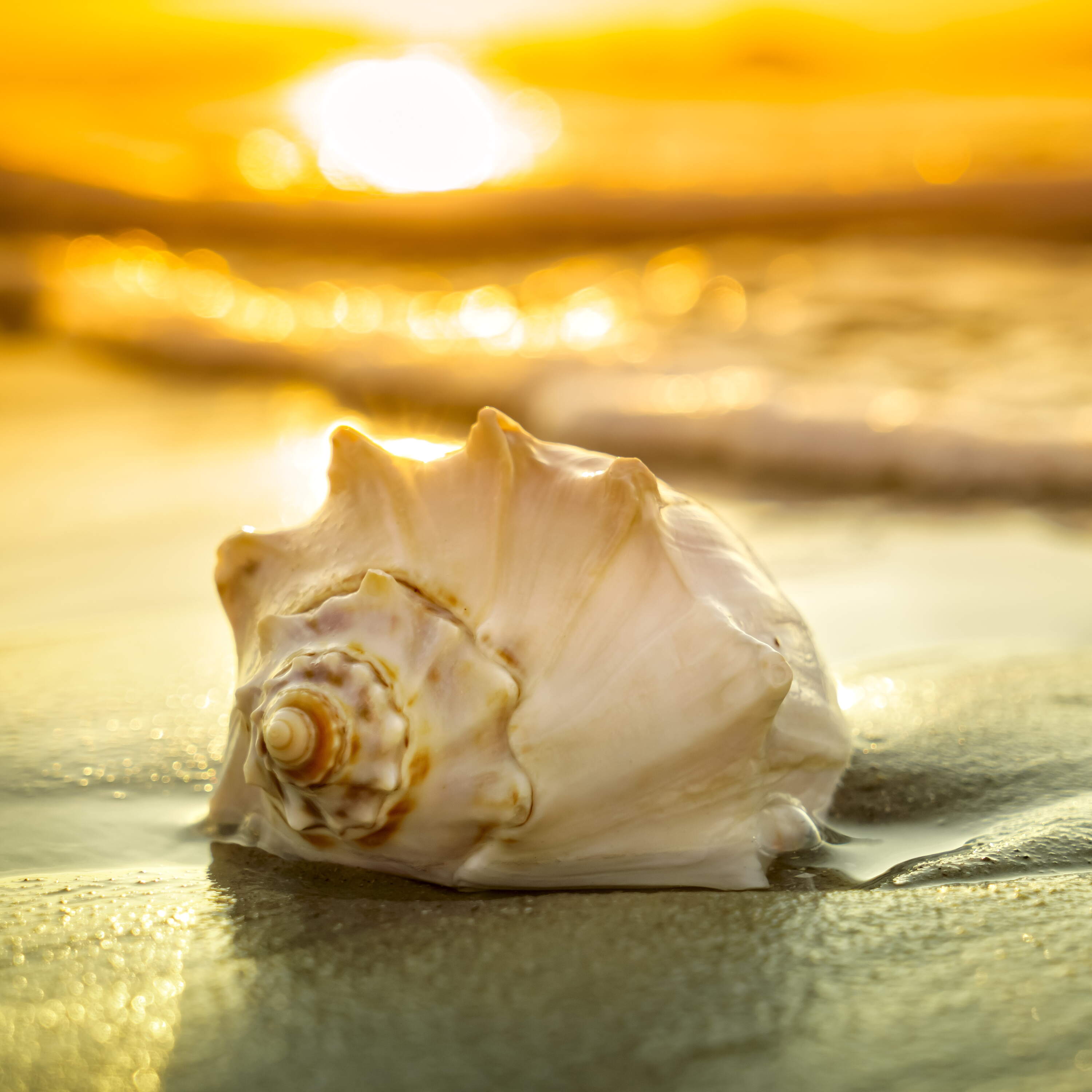
Overview of What can seashells teach us about the health of our oceans?
This NPR Shortwave episode uses seashells as a lens into human history, ocean science, and climate change. Host Emily Kwong speaks with science and environmental journalist Cynthia Barnett, author of The Sound of the Sea, about how shells are made by living marine animals, how they’ve been used by people for thousands of years, and why they now serve as important indicators of stress in the oceans.
Key Themes
Seashells are living products, not just beach souvenirs
- Barnett emphasizes that shells are built by marine mollusks—living animals such as conches, cowries, and cone shells.
- The episode opens with the surprising fact that many beachgoers don’t realize a seashell is the outer home of a living creature.
Shells preserve human history
- Seashells have been used as:
- jewelry and keepsakes,
- burial objects,
- building materials,
- and markers of ancient trade and culture.
- A notable example is a shell pendant found in South Africa’s Border Cave, buried with an infant and worn for years before being placed in the grave.
- The Calusa of southwest Florida built major shell mounds and shell-working centers, showing that Native societies constructed complex settlements long before European arrival.
Shells are “fact checkers” of history
- Barnett argues that shells often tell a more accurate story than historical records written by colonizers.
- Shell mounds and shell artifacts reveal that pre-Columbian societies in North America were sophisticated, organized, and deeply connected to coastal ecosystems.
Shells and Ocean Health
Shells reveal climate change impacts
- Mollusks build shells from minerals in seawater, especially calcium carbonate.
- Rising carbon dioxide in the ocean lowers pH and reduces carbonate availability, making it harder for shell-building animals to form and maintain shells.
- Warmer oceans also push some species outside their natural habitat ranges.
Shells are biological sentinels
- Because shell formation depends on ocean chemistry, changes in seashells can signal broader environmental shifts.
- The episode frames shells as evidence of how human activity—especially fossil fuel use—is affecting marine ecosystems.
Notable Historical Figures and Stories
Mary Anning
- The 19th-century fossil collector and paleontologist Mary Anning made major discoveries, including ichthyosaur and plesiosaur fossils, but was often denied credit.
- She also made important contributions to the study of fossil shells.
- The famous tongue twister “She sells seashells by the seashore” is associated with her legacy.
Marcus Samuel and Shell Oil
- The episode traces the origin of Shell Oil back to a Victorian-era London curio shop owner, Marcus Samuel, who sold decorative shells.
- His sons later entered the kerosene trade and named their first oil tanker Murex, after a shell.
- The story highlights the irony that both seashells and fossil fuels are products of nature—yet fossil fuels are now damaging that same natural world.
Main Takeaways
- Seashells are not inert objects; they are the built remains of living creatures.
- Shells have immense archaeological and cultural value, especially in understanding Indigenous and ancient societies.
- Ocean acidification and warming are making it harder for mollusks to survive and build shells.
- Studying shells can help scientists track the health of marine ecosystems and the effects of climate change.
- The episode encourages listeners to see seashells as more than beautiful keepsakes—they are records of both Earth’s past and its changing future.