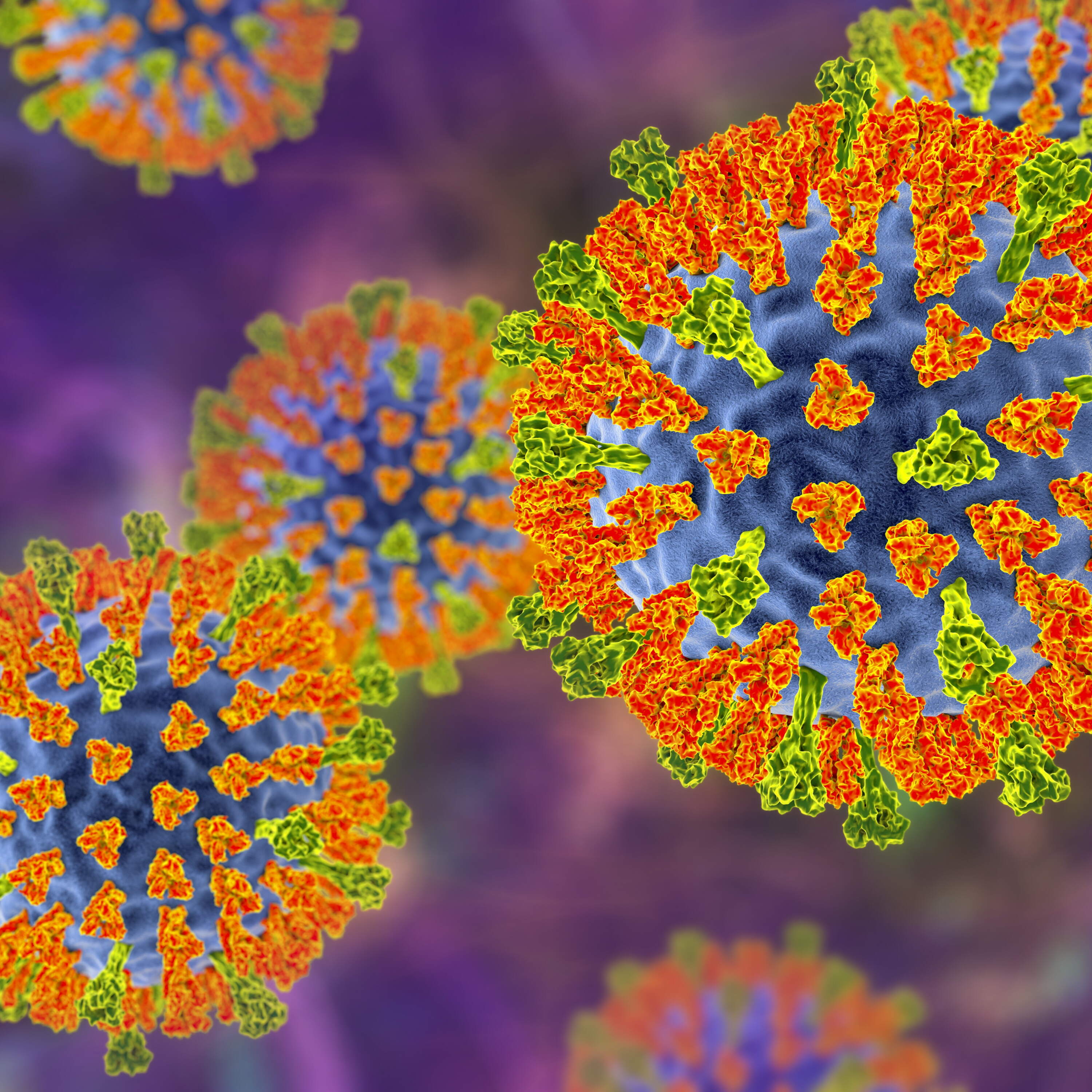
Overview of Vaccinated or not, we’re on the brink of a measles epidemic
This NPR Short Wave episode examines the growing measles outbreak in the U.S., why the disease is more dangerous than many people realize, and why public health experts fear the country may be nearing an epidemic. Host Regina Barber speaks with immunologist and epidemiologist Michael Mina about measles’ impact on the immune system, the debate over “measles-associated deaths,” the limits of vitamin A as treatment, and why restoring trust in vaccines is now a major challenge.
Main Takeaways
- Measles is highly contagious and potentially devastating, especially for unvaccinated people, infants too young to be vaccinated, and immunocompromised individuals.
- The MMR vaccine remains extremely effective — Mina estimates it is about 99.8% effective at preventing measles.
- The U.S. may be losing its measles elimination status, with outbreaks growing in multiple states.
- Public health messaging is under strain because of misinformation, political conflict, and eroding trust in vaccines.
Why Measles Is Worse Than “Just a Rash”
Measles damages the immune system
Mina explains that measles does more than cause fever and rash: it attacks the immune system itself, including immune memory cells.
“Immune amnesia”
- Measles can erase part of the body’s previously built immunity.
- Mina says a measles infection can wipe out a large portion of a person’s immune memory — potentially up to 70% in some cases.
- That means a person may become more vulnerable to other infections for years after recovering.
The “measles paradox”
- After infection, people become strongly protected against measles itself.
- But they may lose protection against other illnesses such as:
- RSV
- rhinovirus
- coronavirus
- E. coli
- In the pre-vaccine era, this immune amnesia was linked to a large share of childhood infectious disease deaths from other causes.
What “Measles-Associated Death” Means
The episode spends time clarifying a politically charged term used in recent outbreak reporting.
Associated vs. caused
- A measles-associated death means measles was present or may have contributed, but it does not automatically prove measles directly caused the death.
- Mina argues that public health officials should be honest about uncertainty when the evidence is incomplete.
The Lancaster County infant case
- The discussion centers on a case where the Pennsylvania Department of Health labeled a baby’s death “measles-associated,” while the coroner said the cause was a ruptured spleen.
- Mina says the evidence does not support confidently claiming measles caused that death, and warns against overstating causality without data.
No, Vitamin A Is Not a Cure for Measles
Mina corrects claims that measles can be “cured” with vitamin A and chicken soup.
- There is no cure for measles.
- Vitamin A can help, but mainly in children who are deficient in vitamin A.
- It can be life-saving in those specific cases, but it is not a substitute for vaccination or a true antiviral treatment.
Who Is at Risk Right Now?
Vaccinated people
- People who are fully vaccinated and otherwise healthy have very little to worry about.
- Breakthrough infections are rare.
Higher-risk groups
The people most at risk include:
- unvaccinated individuals
- infants too young to receive the vaccine
- older adults with weaker immunity
- immunocompromised people
Why Experts Fear an Epidemic
Mina says the danger grows when:
- outbreaks get larger, and
- the susceptible population grows at the same time.
That combination can cause isolated outbreaks to merge into a wider epidemic, especially with a virus as contagious as measles.
Can the Situation Be Reversed?
Short-term outlook
- Outbreaks may eventually burn themselves out if they hit enough immune people.
- But Mina emphasizes this is not a desirable strategy, because it means preventable illness and suffering.
Long-term challenge
- The biggest obstacle is not just biology — it’s trust.
- Mina says public confidence in vaccines and public health has been damaged, and rebuilding it will require:
- new approaches
- less ridicule
- more honest communication
- better ways of reaching skeptical communities
Notable Insight
A central message of the episode is that the real danger is not just measles itself, but what measles does to immunity afterward. The vaccine doesn’t simply prevent one infection — it also protects people from losing years of immune protection they’ve already built.
Bottom Line
This episode argues that measles is making a serious comeback because of declining trust and rising susceptibility. Vaccination remains the strongest defense, and while the current outbreaks are concerning, experts believe the key to stopping a larger epidemic is not panic — it’s rebuilding public trust, increasing vaccination, and communicating uncertainty honestly.