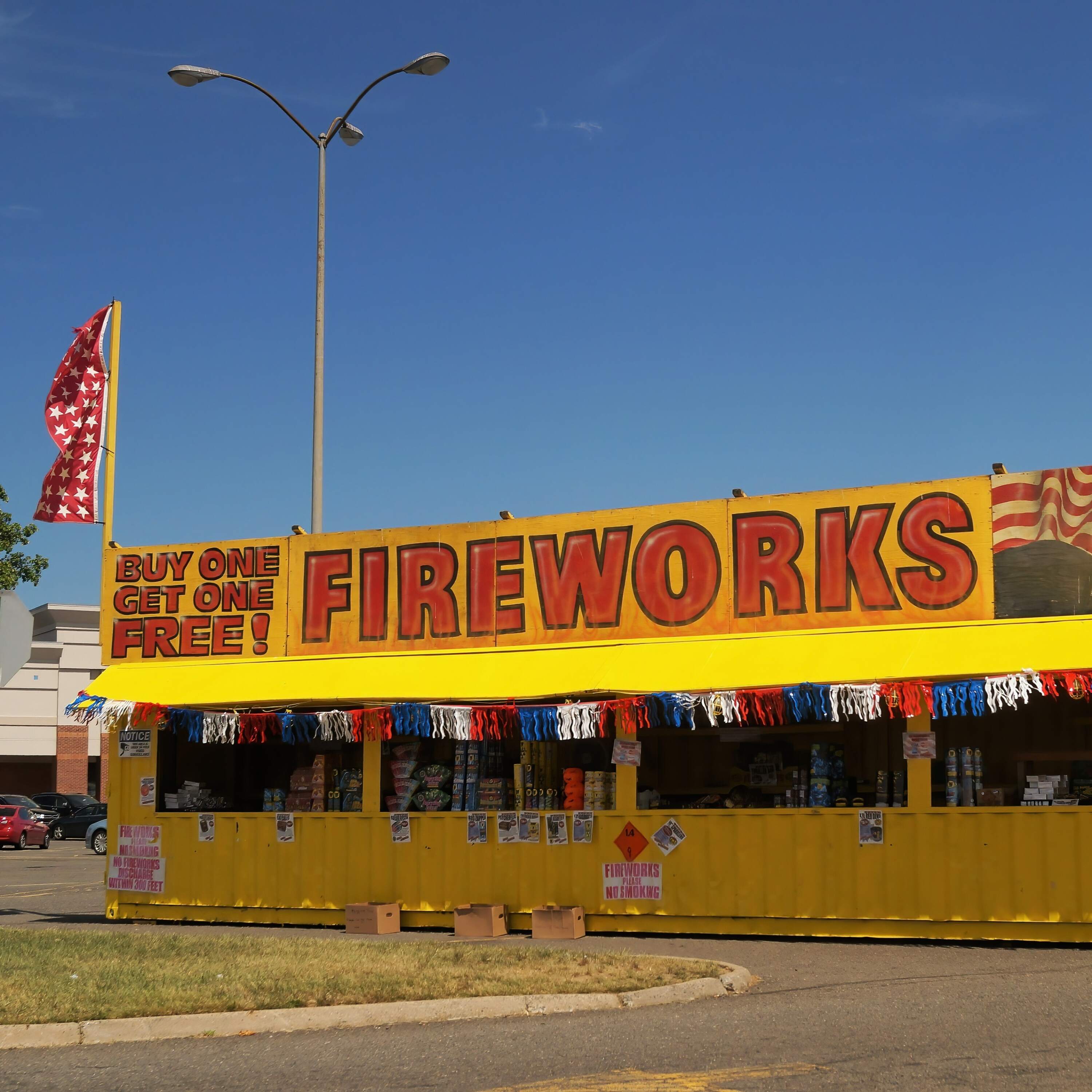
Overview of This July 4th, are you a thrill- or chill-seeker?
This NPR Shortwave episode explores why people react so differently to fireworks and other risky, exciting experiences. Clinical psychologist Ken Carter explains the personality trait of sensation seeking—a spectrum that ranges from cautious “chill seekers” to high-octane “thrill seekers.” The episode connects July 4th fireworks to brain chemistry, genetics, trauma, and everyday behavior, while also offering a simple reminder: enjoy the holiday in the way that feels awe-inspiring to you, as long as it’s safe.
Main Takeaways
-
Sensation seeking is a spectrum, not an on/off trait.
- Most people fall somewhere in the middle.
- Some people actively chase danger or novelty; others prefer caution and preparation.
-
Fireworks are a useful example of different nervous systems reacting to the same event.
- High sensation seekers may experience fireworks as fun and pleasurable.
- Low sensation seekers may feel stress, worry, or concern about safety.
-
Brain chemistry helps explain the difference.
- Cortisol is tied to stress and fight/flight/freeze responses.
- Dopamine is tied to pleasure and reward.
- In Carter’s framing, high sensation seekers tend to have less cortisol response and more dopamine response in chaotic situations.
-
Genes matter, but so does environment.
- Sensation seeking can run in families.
- Unpredictable or chaotic childhood experiences may also shape the trait.
-
Trauma can shift how people respond to loud or chaotic stimuli.
- Fireworks may become triggers for some people, especially after war or other traumatic experiences.
- Carter distinguishes between stable personality traits and changes caused by life events.
The Four Parts of Sensation Seeking
Ken Carter’s version of the sensation-seeking survey looks at four dimensions:
1. Thrill and Adventure Seeking
- Desire for physical excitement
- Examples: fast driving, dangerous activities, high-risk sports
2. Experience Seeking
- Desire for novelty in the mind and senses
- Examples: adventure travel, unusual foods, new experiences
3. Disinhibition
- Impulsivity and willingness to “leap first, think later”
- Low scorers tend to be cautious and deliberate
4. Boredom Susceptibility
- How quickly someone gets bored or irritated by repetition
Notable Insights From the Conversation
-
High sensation seekers aren’t necessarily reckless or addicted to adrenaline.
- Carter says many are drawn more to the experience and the focused mental state it creates.
- Some describe activities like bungee jumping or wingsuit flying as producing clarity that lasts afterward.
-
High sensation seekers may be better at staying calm in chaos.
- This helps explain why some are drawn to careers like firefighting, first response, or the military.
-
People often have “anchors” that keep them grounded.
- Family, friends, children, or jobs can temper risky behavior even in natural thrill seekers.
-
The trait can be studied behaviorally, not just through surveys.
- One example mentioned involved drivers following a pace car:
- Low sensation seekers stayed farther back and showed more stress.
- High sensation seekers followed closely and remained calmer.
- One example mentioned involved drivers following a pace car:
Practical Advice for the Holiday
- If fireworks aren’t your thing, lean into your awe.
- Find the version of celebration that feels meaningful to you—whether that’s fireworks, a quiet gathering, or something else.
- Carter’s advice: do what feels awesome as long as it’s safe and doesn’t hurt anyone.
Bottom Line
The episode frames July 4th fireworks as a fun lens into human personality. Some people seek thrills because their brains and bodies reward novelty with less stress and more pleasure. Others are wired for caution. Neither is better—just different. The healthiest balance, Carter suggests, may be a mix of adventure and anchors.