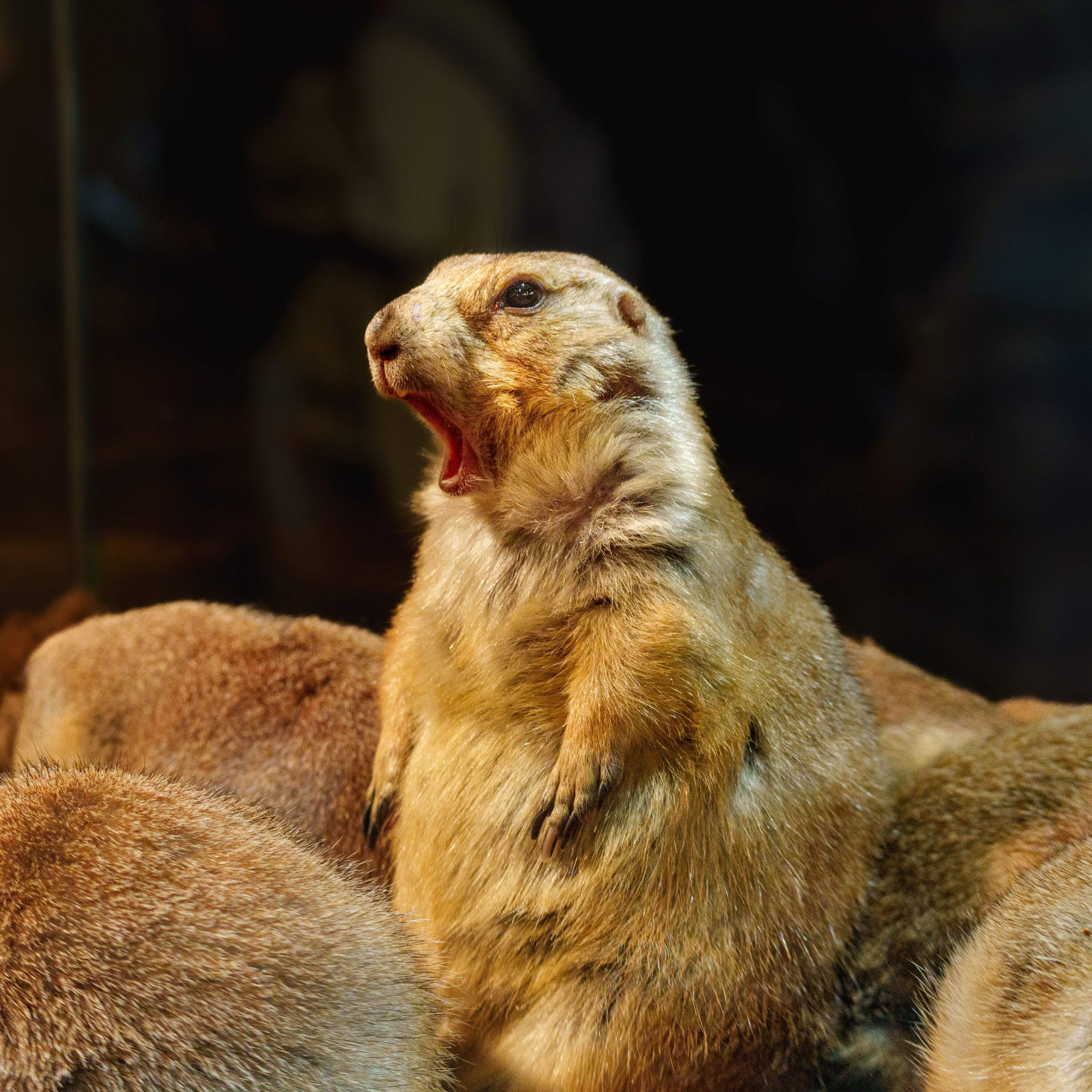
Overview of The Sound of Fear: Why So Many Animals Scream
This NPR Shortwave episode explores the biology of screams and why certain sounds across animals — including humans — instantly trigger fear and attention. The conversation centers on behavioral ecologist Dan Blumstein, whose research on yellow-bellied marmots led him to study how “nonlinear” vocal sounds, or rough, irregular noises, function as universal alarm signals. The episode connects animal communication, human emotion, and even horror-movie sound design, especially fitting for Halloween.
What Counts as a “Scream”?
Alarm calls vs. screams
- Many animals make alarm calls — warning signals that are often brief and relatively simple.
- A scream is different: it tends to happen under extreme distress and contains nonlinear acoustic features.
- These features include roughness, unpredictability, and irregularities in the sound wave.
Why nonlinear sound matters
- Humans and animals are especially sensitive to these rough, unstable sounds.
- They are harder to ignore and feel more urgent than smooth, ordinary calls.
- This is why baby cries, animal distress calls, and horror-movie shrieks can feel so emotionally intense.
Dan Blumstein’s Research
Marmots as a model species
- Blumstein has studied yellow-bellied marmots in Colorado for decades.
- The marmot project has been running since 1962, making it one of the longest-running studies of a wild species.
- Marmots normally give short alarm squeaks, but one baby marmot once emitted a true scream, which deeply affected Blumstein and sparked his broader research into fear sounds.
Sound as a biological trigger
- Blumstein found that screams are not just loud; they are acoustically “messy” in a way that activates attention and fear.
- He argues that this response is likely rooted in mammalian biology and shared across species.
Key Findings
Animals respond to nonlinear sounds
- Marmots:
- When alarm calls were altered with added noise, marmots foraged less.
- Meerkats:
- More likely to flee when hearing alarm calls with nonlinear features.
- White-crowned sparrows:
- Became noticeably less relaxed in response to these rough sounds.
- Even animals that don’t vocalize this way themselves, such as skinks and lizards, still react to the acoustic qualities.
Humans react similarly
- Humans instinctively react to screams, baby cries, and rough vocalizations.
- The episode points to classic examples like Janet Leigh’s scream in Psycho and modern horror-film performances.
- The emotional power of these sounds seems to come from their acoustic structure, not just from learned associations.
Horror Movies Know This Already
Sound design in film
- Blumstein’s research helps explain why horror movies are so effective.
- Film scores often use:
- harsh, jagged noises
- sudden dissonance
- unnerving background sounds
- These sounds prime viewers to expect danger before anything visible happens.
Why it works
- The brain treats these noises as warning signals.
- Even in benign scenes, adding noisy, irregular sound makes people feel uneasy and anticipate something bad.
Main Takeaways
- Screams are biologically powerful because of their irregular, nonlinear sound features.
- Fear responses may be evolutionarily ancient, shared across many species.
- Rough, noisy sounds grab attention better than smooth ones and can change behavior.
- Horror media exploits this biology, using sound to create dread before any on-screen threat appears.
- Blumstein suggests that rather than fighting our fear responses, we might “embrace our inner marmot” — because being scared is part of being human.
Notable Insight
“We are who we are because of who our ancestors were… everything jumps to those sorts of things and there’s a reason behind it.”
This episode’s central idea is that our reactions to screams are not random — they are deeply wired into our nervous systems through evolution.