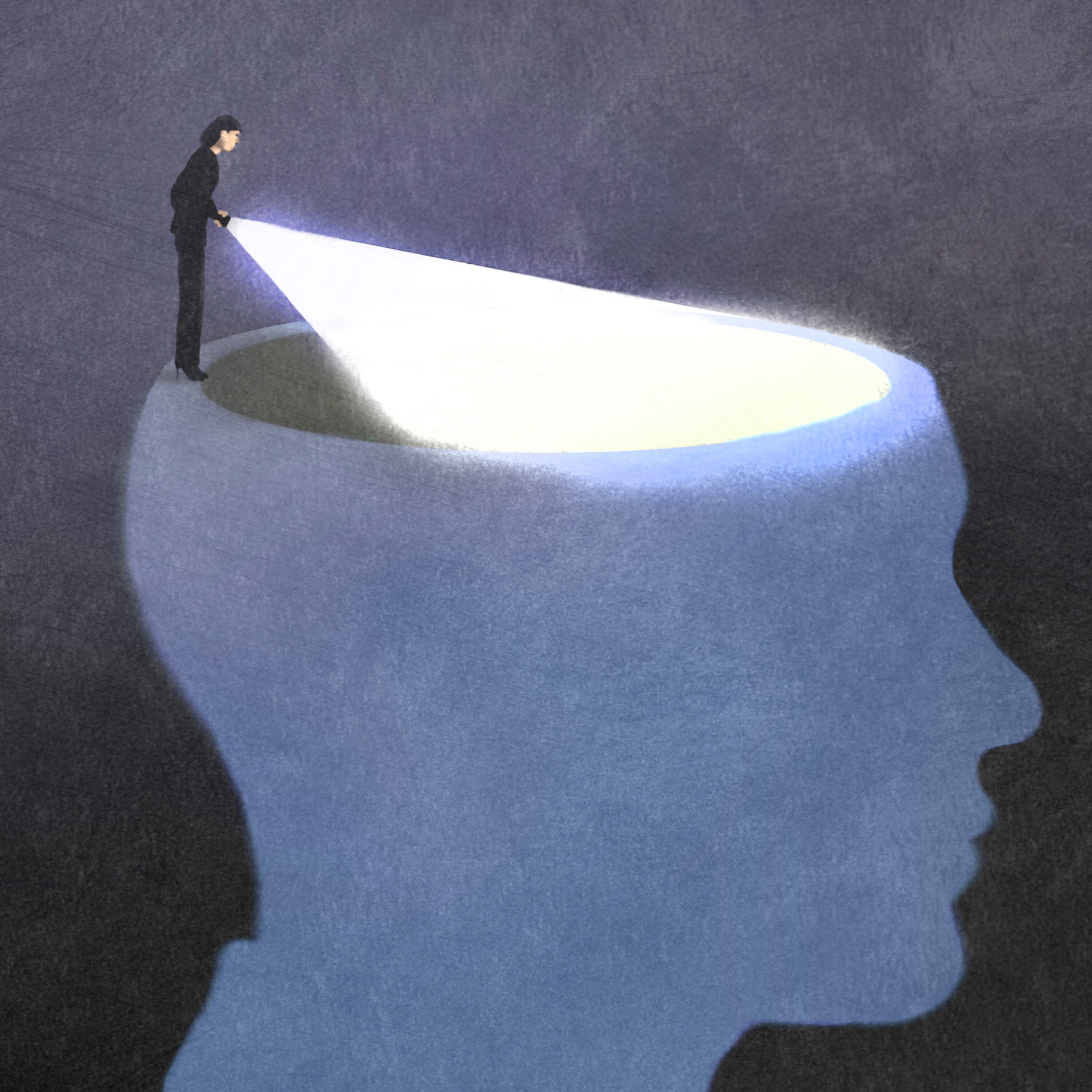
Overview of The science of self-worth (and how to boost yours)
This NPR Short Wave episode explores the psychology and physiology of self-esteem, drawing on journalist Regina Barber’s conversation with psychologist Marissa Franco, author of Worth, and Mariel Segada from NPR’s Life Kit. The episode explains why low self-worth can feel so physically real, how past experiences shape current self-image, and why updating old emotional memories may help people feel more secure and open to love, success, and support.
Key scientific ideas about self-esteem
Low self-esteem affects both mind and body
- People with low self-esteem often experience rejection and positive feedback more intensely.
- When compliments or success conflict with a negative self-image, the body can react stressfully:
- increased blood pressure
- heightened emotional discomfort
- longer-term health effects in some studies
Self-verification theory
- A core concept discussed is self-verification theory: people tend to seek experiences that confirm how they already see themselves.
- When reality doesn’t match that self-view, it can feel destabilizing and reduce a sense of control and coherence.
Memories shape expectations
- The episode emphasizes that memories don’t just record the past — they also help predict the future.
- If someone has a history of rejection, abuse, or inconsistency, their brain may expect those patterns to repeat, which can amplify fear and self-doubt.
How low self-worth shows up in relationships and daily life
- Positive experiences can feel threatening if they create pressure to “live up to” praise.
- People with low self-esteem may:
- distrust affection or support
- feel like a burden
- struggle to accept love from partners, friends, or family
- interpret small missteps as proof that they are unworthy
- Marissa Franco describes how a mismatch between how someone sees themselves and how others see them can feel like an identity crisis.
One strategy for building self-worth: memory reconsolidation
What it is
- Memory reconsolidation is the idea that when a memory is recalled in a new context, it can be updated.
- The goal is not to erase the memory, but to change the emotion attached to it.
Which memories are most important
- The memories most worth targeting are “open” memories:
- they still trigger strong emotion
- they still shape present-day behavior
- they don’t feel resolved or fully understood
- These are often the memories that still “niggle” at a person or feel painfully current.
Why emotion matters
- Franco says the issue is often not the memory itself, but the fact that the emotion tied to it was never fully processed.
- Research she cites suggests that expressing emotion in therapy is a major predictor of improved self-esteem.
What it can feel like
- People may feel:
- catharsis
- relief
- possibility
- a sense of “waking up”
- The effect can be like seeing the world differently after a long period of emotional fog.
Main takeaways
- Self-worth is not just a mindset; it can shape physical health, relationships, and how people interpret life events.
- Low self-esteem can make both criticism and praise harder to handle.
- Healing often involves revisiting unresolved memories and allowing the emotions tied to them to be processed.
- Improving self-worth may help people:
- accept support more easily
- ask for what they need
- internalize success and love more fully
- experience life’s positives without filtering them out
Related note
- The episode points listeners to the full Life Kit conversation, where Marissa Franco also walks through a personal memory reconsolidation exercise involving her childhood.