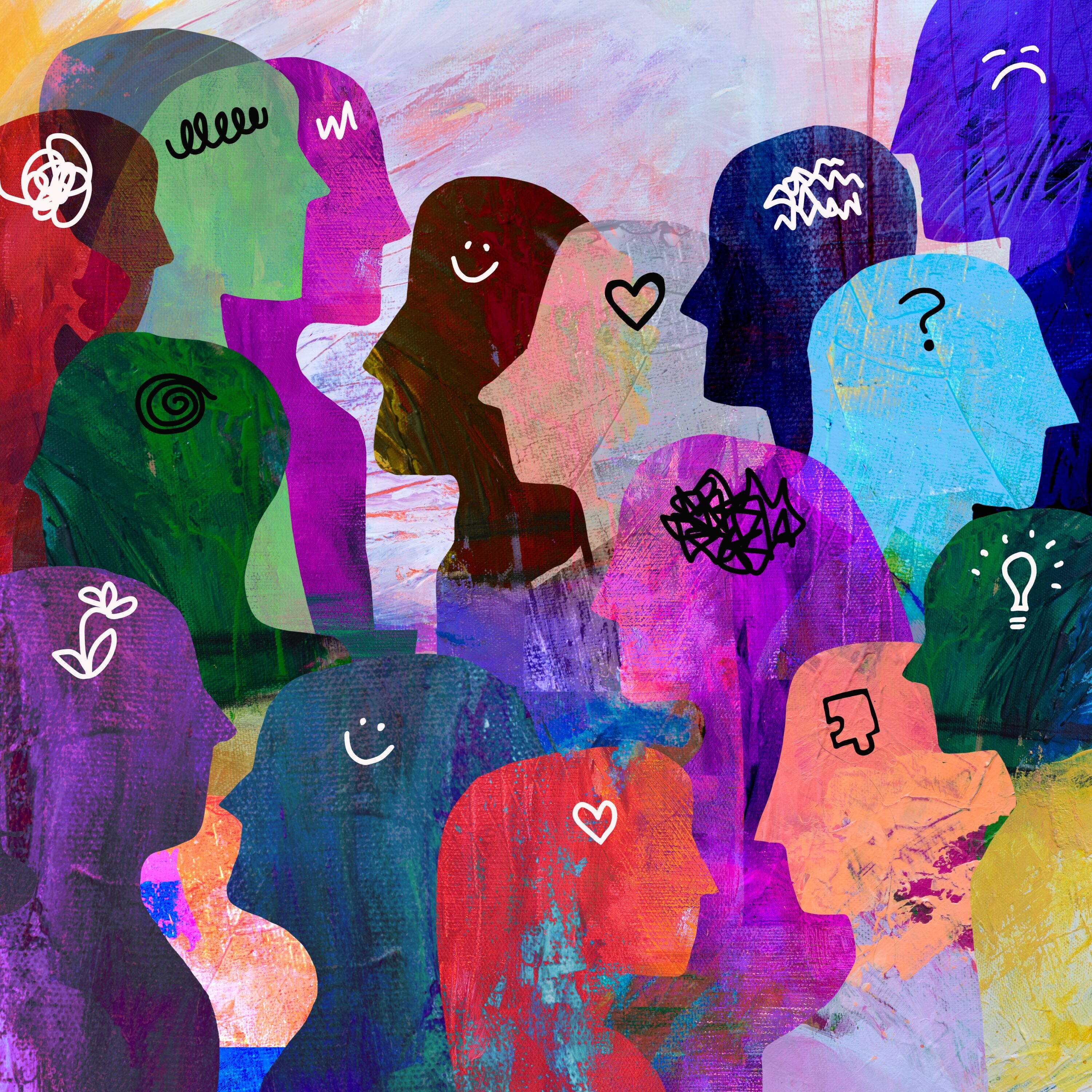
Overview of The science of emotional regulation — and how to do it better
This NPR Short Wave episode explores the science of emotional regulation with emotion scientist Mark Brackett, founding director of the Yale Center for Emotional Intelligence. The conversation explains why emotions are normal, useful signals rather than “good” or “bad” states, and how learning to recognize, label, express, and regulate them can improve decision-making, health, relationships, and long-term well-being.
Key Takeaways
-
Emotions are information, not problems to eliminate.
Brackett emphasizes that emotions are signals that help guide attention, behavior, and choices. -
Emotional dysregulation has real costs.
When people react impulsively or suppress feelings for long periods, it can contribute to stress, poor health, and damaged relationships. -
Regulation is a skill, not a personality trait.
Emotional intelligence can be learned and practiced over time. -
The goal is not to “get rid” of emotions.
The goal is to understand them and respond in ways that help you achieve your goals. -
Men in particular are often discouraged from emotional expression.
Brackett argues that this can contribute to unhealthy coping patterns and higher rates of issues like alcoholism and suicide.
The RULER Framework Explained
Brackett’s emotional intelligence program, RULER, provides a practical framework for working with emotions:
R — Recognizing
Notice what emotion is present at a broad level:
- Pleasant or unpleasant?
- High energy or low energy?
U — Understanding
Identify what is causing the feeling and what it means:
- Why am I feeling this way?
- What happened in the environment or in my thinking?
L — Labeling
Use accurate emotion words to describe the feeling:
- Frustration is different from anger.
- Anger often involves perceived injustice.
- Frustration is more about blocked goals.
E — Expressing
Communicate feelings in a way that others can hear and respond to constructively:
- Expression should not mean outbursts or denial.
- Effective expression supports connection and problem-solving.
R — Regulating
Choose strategies that shift emotions when needed:
- If the emotion helps your goal, maintain it.
- If it gets in the way, adjust it.
Why Emotional Regulation Matters
Brackett explains that unmanaged emotions can affect both mind and body:
- Stress chemistry: Triggers such as conflict at work can raise cortisol and adrenaline.
- Brain and immune health: Chronic dysregulation can drain people emotionally and physically.
- Relationships: Unchecked emotions can lead to avoidance, conflict, or withdrawal.
- Decision-making: Emotions strongly influence attention, judgments, and behavior.
He also notes that healthy regulation can support more positive states, such as increased serotonin and dopamine, which may help people feel more balanced and resilient.
Strategies and Mindset Shifts
Treat emotions like data
Instead of asking, “How do I get rid of this feeling?” ask:
- What is this emotion telling me?
- Is it helping or hindering me right now?
- What’s the best response for this situation?
Use trial and error
Brackett describes emotional regulation almost like science:
- Try a strategy
- Observe the result
- Adjust next time
Practice self-awareness
Self-awareness does not happen automatically. It requires checking in with yourself and noticing patterns such as:
- over-apologizing
- avoiding conflict
- reacting too strongly
- suppressing feelings
Repair after mistakes
You will not regulate perfectly every time. Brackett stresses the importance of:
- giving yourself permission to fail
- repairing after conflict
- learning from the experience
Bigger Picture: Men, Emotion, and Relationships
The episode also highlights how cultural expectations around masculinity can discourage men from emotional openness. Brackett argues that:
- men need more role models for healthy emotional expression
- emotional suppression can lead to harmful coping habits
- authentic relationships require emotional honesty
- “emotion allies” — people who can sit with and support your feelings — are essential
Bottom Line
The episode’s central message is that emotional regulation is not about suppressing feelings or pretending to be calm. It’s about understanding what you feel, naming it accurately, and responding in ways that serve your goals and relationships. Brackett’s work suggests that emotional intelligence is a learnable life skill — one that can improve mental health, physical health, and how we connect with others.