Overview of The problem with modern avocados — and the ancient solution
This NPR Short Wave episode covers three science stories that show how modern research can reshape what we think we know about everyday food, ancient history, and animal communication. The main throughline: genetic diversity, physical evidence, and large-scale data can overturn assumptions and reveal smarter ways nature—and humans—have adapted over time.
Ancient Avocados Could Help Protect the Future of Guacamole
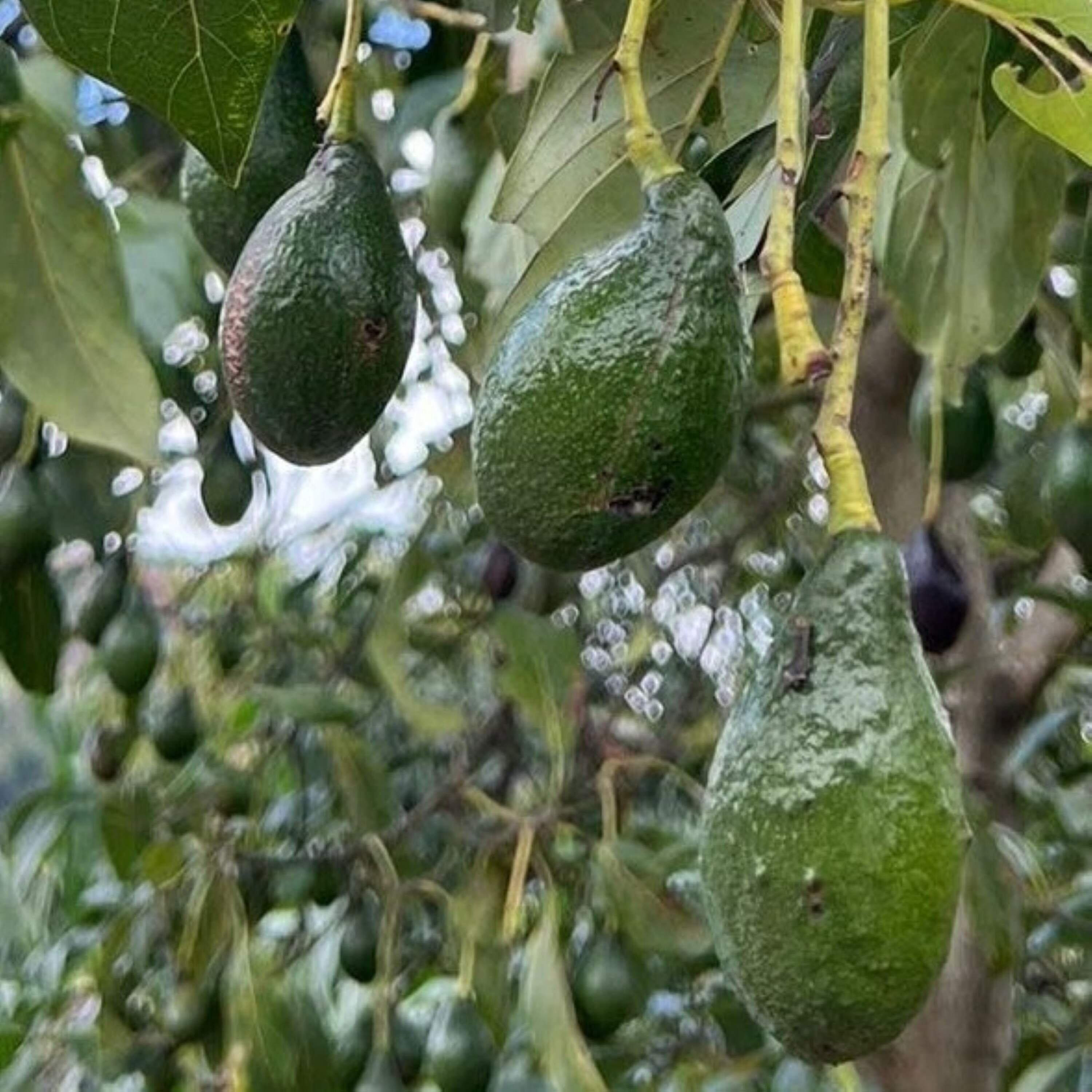
The episode opens with a look at the modern avocado industry, which relies heavily on the Hass avocado—the dominant commercial variety, making up more than 80% of production. That uniformity is convenient for consumers, but risky for agriculture because genetically similar crops are often vulnerable to the same diseases.
What researchers found
- Archaeobotanist Kevin Wan studied avocado DNA from varieties in Mexico and Central America.
- He found substantial genetic diversity among traditional varieties.
- Some Nicaraguan avocados were genetically very similar to South American varieties, suggesting they were introduced by ancient farmers and later hybridized with local species.
Why it matters
- Ancient farmers helped preserve avocado diversity over thousands of years.
- That diversity could be crucial for future crop resilience and sustainability.
- The story argues for protecting non-commercial avocado varieties as a genetic resource, not just a novelty.
Egyptian Princesses May Have Been Much More Physically Active Than Assumed
The second segment centers on a surprising find in the Egyptian Museum in Cairo: a forgotten box containing the mummified remains of five princesses and a king from around 1800 BC.
The assumption
The princesses had been buried with weapons such as:
- daggers
- maces
- bows and arrows
Archaeologists initially assumed the weapons were symbolic, since weapons are often associated with male burials.
What the new analysis suggests
Bioarchaeologist Zainab Hashish examined the bones and found:
- unusually strong muscle attachments
- signs of upper-body strength
- a distinctive bone curve in one princess that likely came from repeated bow use
Why it matters
- The findings challenge the idea that these princesses lived purely decorative, sheltered lives.
- They likely did real physical work and may have regularly used weapons.
- The researchers stop short of proving they were warriors, but the evidence strongly suggests they were more active and capable than stereotypical depictions of “princesses.”
Birds Around the World Use a Small Set of Shared Song Patterns
The final story examines more than 116,000 bird songs from perching birds, including robins, thrushes, warblers, and crows.
What the scientists studied
Researchers looked for patterns in:
- pitch
- song structure
- recurring acoustic motifs
Main finding
Despite the enormous variety in bird song worldwide, the study found birds are mostly using song for two basic purposes:
- attracting mates
- defending territory
They also identified eight basic song motifs, including:
- trills
- flat whistles
- other recurring song types
A notable example
The episode highlights the flat whistle, which has independently evolved in tropical forests because it is:
- simple
- loud
- effective over long distances in dense habitat
Why it matters
- Birds separated by oceans and continents can arrive at similar communication solutions because they face similar environmental constraints.
- The findings show how evolution can repeatedly produce the same “best answer” in different places.
Key Takeaways
- Genetic diversity matters: The avocado story shows why relying on one dominant crop variety can be risky.
- Ancient people were more complex than stereotypes suggest: The Egyptian princesses likely had physically demanding lives.
- Nature often converges on efficient solutions: Birdsong patterns show that similar environments can lead to similar communication styles across unrelated species.
Notable Insight
A central idea across all three stories is that looking more closely at evidence—DNA, bones, or big data—often reveals that our assumptions are too simple. Whether it’s avocados, royalty, or birdsong, diversity and adaptation are the real story.