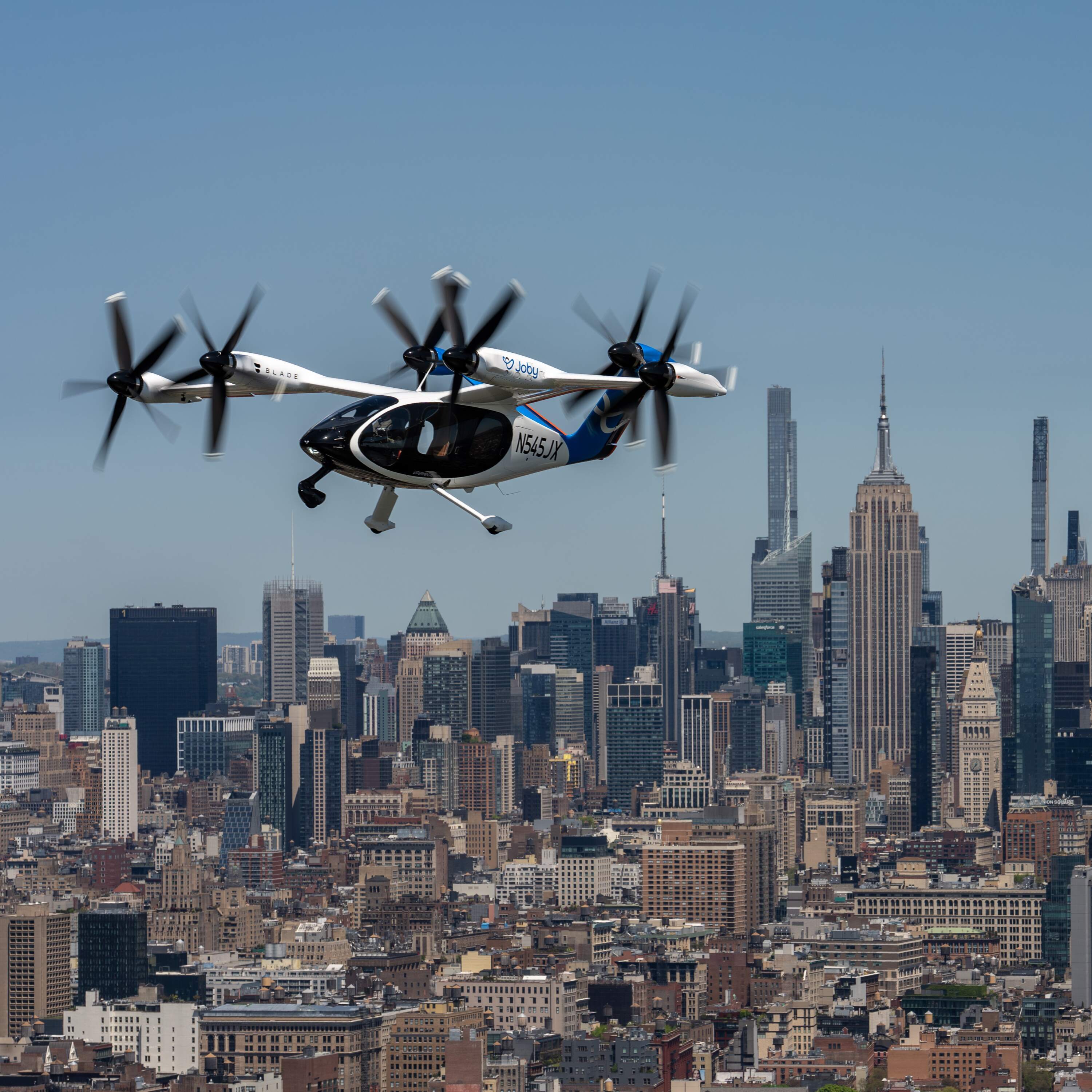
Overview of Sky Uber? Air taxis could be here soon.
This NPR Short Wave “Tech Camp” episode explores the comeback of air taxis—but this time as quieter, electric, vertical takeoff aircraft rather than the noisy helicopters of the past. The hosts trace the history of helicopter taxis in places like New York, explain why the industry collapsed decades ago, and look at how companies such as Joby, Archer, and Beta are trying to make a new generation of eVTOLs (electric vertical takeoff and landing vehicles) a real part of everyday transportation.
What the episode is about
- A look at the past, present, and future of flying taxis
- How new aircraft may soon connect places like neighborhoods, airports, and city centers
- The engineering, safety, and regulatory challenges behind turning “Jetsons-style” travel into reality
Key takeaways
Air taxis are not a brand-new idea
- Helicopter taxi services operated in New York in the 1950s, 60s, and 70s.
- They were used mainly by wealthy passengers and business travelers for short airport runs.
- These services disappeared due to a mix of:
- recessions
- crashes and safety concerns
- public distrust, especially after a fatal 1977 New York Airways accident
Today’s air taxis are built differently
- Modern versions are not helicopters in the traditional sense.
- They are electric vertical flight vehicles designed to:
- take off and land vertically
- transition into forward flight like an airplane
- use wings for lift to conserve battery power
- This design reduces noise, improves efficiency, and aims to make the aircraft safer and more practical for dense cities.
Major companies are racing to deploy them
- The episode highlights several U.S. startups:
- Joby Aviation
- Archer
- Beta Technologies
- Joby has partnered with Uber and claims commercial flights could begin in places like Dubai before broader rollout.
- The aircraft use multiple propellers and built-in redundancy so that if one propulsion unit fails, others can compensate.
Regulation and infrastructure are the big bottlenecks
- Any commercial operation in U.S. airspace requires FAA certification.
- The FAA has created a new office to manage the integration of:
- air taxis
- drones
- vertiports (takeoff/landing pads)
- Companies are looking to:
- retrofit existing helipads
- build new rooftop or small-ground facilities for landings and takeoffs
Important questions raised
- Will the public actually use these services?
- The likely early market is people already taking ride-shares to airports, not mass transit riders.
- Are air taxis the best investment?
- The episode notes that some may argue public transit, rail, or subways would serve more people more efficiently.
- How safe will autonomous versions be?
- Pilotless air taxis are in development, but experts say they are years away and face tougher approval hurdles.
Main conclusion
The episode’s central argument is that air taxis are no longer science fiction—the infrastructure, regulation, and technology are actively being built. Still, the hosts leave listeners with a healthy dose of skepticism: the question isn’t just whether air taxis can work, but whether ordinary people will actually want, trust, and afford them.
Notable details
- A prototype aircraft at Georgia Tech/NASA’s project Raven is described as a roughly 1,300-pound electric vertical takeoff aircraft.
- A realistic early use case is a ride from a neighborhood to a major airport via a rideshare app.
- The hosts joke that the future may already be here—just unevenly distributed.