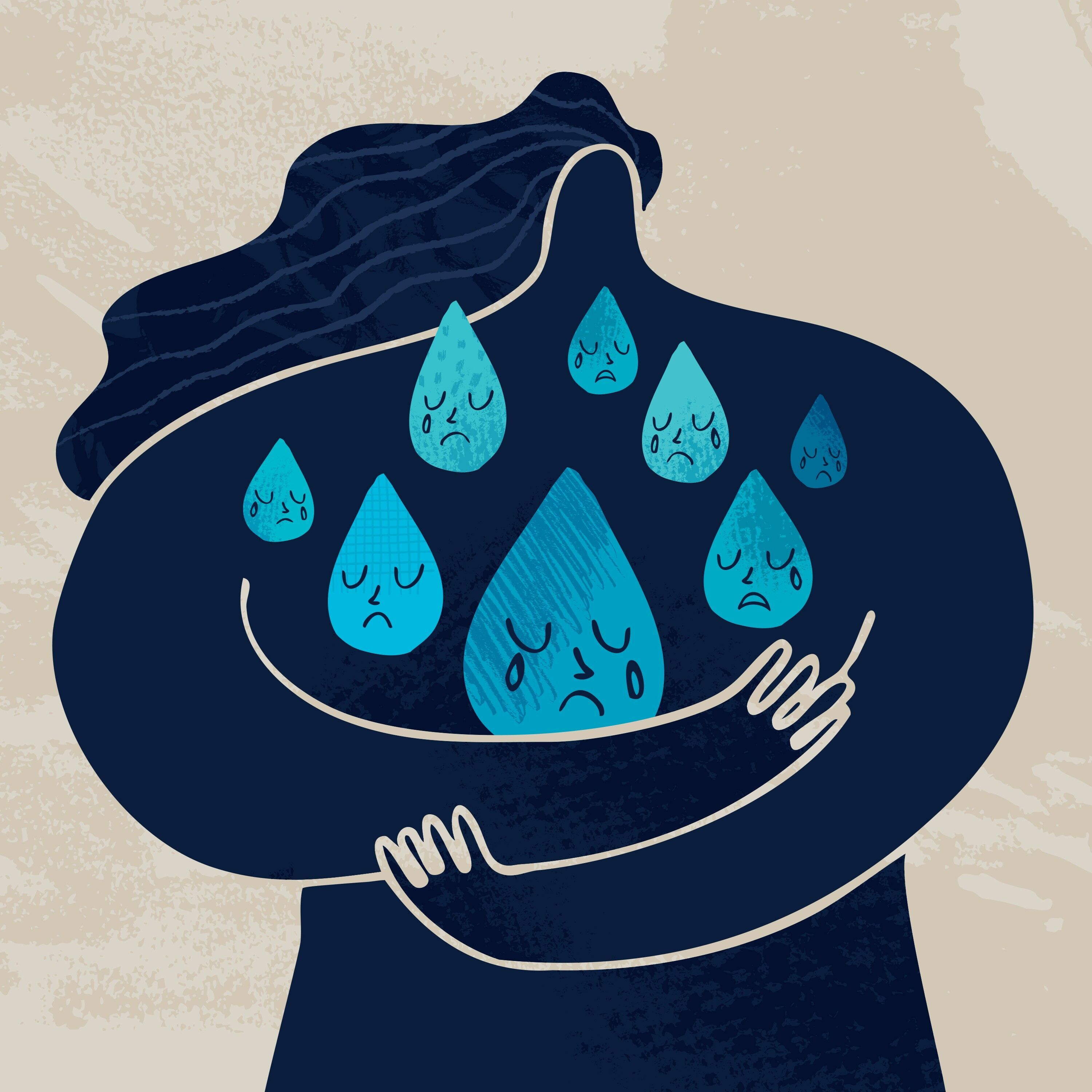
Overview of NPR’s Short Wave episode: One of the toughest parts of ADHD is left out of the diagnosis
This episode explores rejection-sensitive dysphoria (RSD) and the broader issue of emotional dysregulation in ADHD—how intense reactions to criticism or perceived rejection can be one of the most debilitating parts of the condition, yet still remain largely absent from official diagnostic criteria. Psychiatrist and author Sasha Hamdani explains the brain science behind these reactions, why ADHD diagnosis has historically emphasized visible behavior over internal experience, and what people can do now to manage symptoms.
Key Takeaways
- RSD is an intense emotional response to rejection, criticism, or even the threat of rejection.
- It is commonly associated with ADHD, but it is not formally included in the DSM diagnostic criteria.
- The episode argues that emotional dysregulation is a major but underrecognized part of ADHD.
- Because it’s not in the diagnostic manual, people may be misdiagnosed with anxiety, depression, or other conditions instead.
- Treatment can involve both medication and practical coping skills, especially those rooted in understanding how the brain responds under stress.
What RSD Looks Like
Sasha Hamdani describes RSD as a response that can feel:
- emotionally overwhelming
- physically intense
- immediate and hard to control
- triggered by both real and perceived rejection
In her own story, a mentor’s refusal to write her a recommendation letter became a defining moment—one she later understood through the lens of RSD.
The Brain Science Behind It
Hamdani explains RSD in terms of two key brain systems:
1. The amygdala
- Acts as the brain’s emotional threat detector
- In highly sensitive people, it may be hyperresponsive, reacting quickly to perceived danger or criticism
2. The prefrontal cortex
- Handles judgment, decision-making, and regulation
- In this context, it may be underresponsive or slower to engage
3. Weak communication between the two
- The result is a delayed “braking system”
- The emotional reaction can happen before logic has a chance to step in
Why ADHD Emotional Dysregulation Was Overlooked
The episode suggests several reasons this aspect of ADHD fell out of focus:
- Psychiatry has historically favored observable symptoms like hyperactivity and impulsivity
- Internal experiences like shame, hurt, and rejection are harder to measure
- Clinicians often rely on what’s in the DSM, so if emotional dysregulation isn’t listed, they may look elsewhere for explanations
- As a result, patients may be treated for the wrong condition
Hamdani notes that Europe updated ADHD criteria in 2019 to include emotional dysregulation more explicitly, while the U.S. has lagged behind.
Diagnosis and Public Awareness
Hamdani says the path to official recognition is likely to require:
- more public discussion
- stronger patient awareness
- broader pressure for psychiatric criteria to change
She also notes that even many clinicians are only beginning to better understand the issue, with psychiatrists and therapists generally more familiar with it than primary care doctors.
Treatment and Coping Strategies
The episode emphasizes a practical, two-part approach:
1. Recognize the pattern
If emotional episodes consistently happen after:
- criticism
- rejection
- disappointing others
- perceived disapproval
then that pattern may point toward ADHD-related emotional dysregulation.
2. Combine medication with skills
Hamdani argues that treatment should not stop at diagnosis. Helpful tools include:
- cyclic sighing / structured breathing
- movement-based strategies like squats, stairs, or walking
- using energy in a way that helps regulate the nervous system
- practicing these skills before a crisis so they’re easier to use during one
She stresses that generic advice like “take a deep breath” often feels useless in the moment unless people understand why the technique works and when to use it.
Sasha Hamdani’s Main Message
Hamdani’s book, Too Sensitive, is meant to:
- validate people who experience intense rejection sensitivity
- provide tools that are usable in real time
- push the conversation forward so emotional regulation becomes a more standard part of ADHD understanding and care
Final Takeaway
The episode argues that one of the most painful and disabling parts of ADHD may be invisible in the diagnostic system. By naming RSD and emotional dysregulation, the conversation opens the door to better diagnosis, better treatment, and more compassionate understanding of what many people with ADHD experience every day.