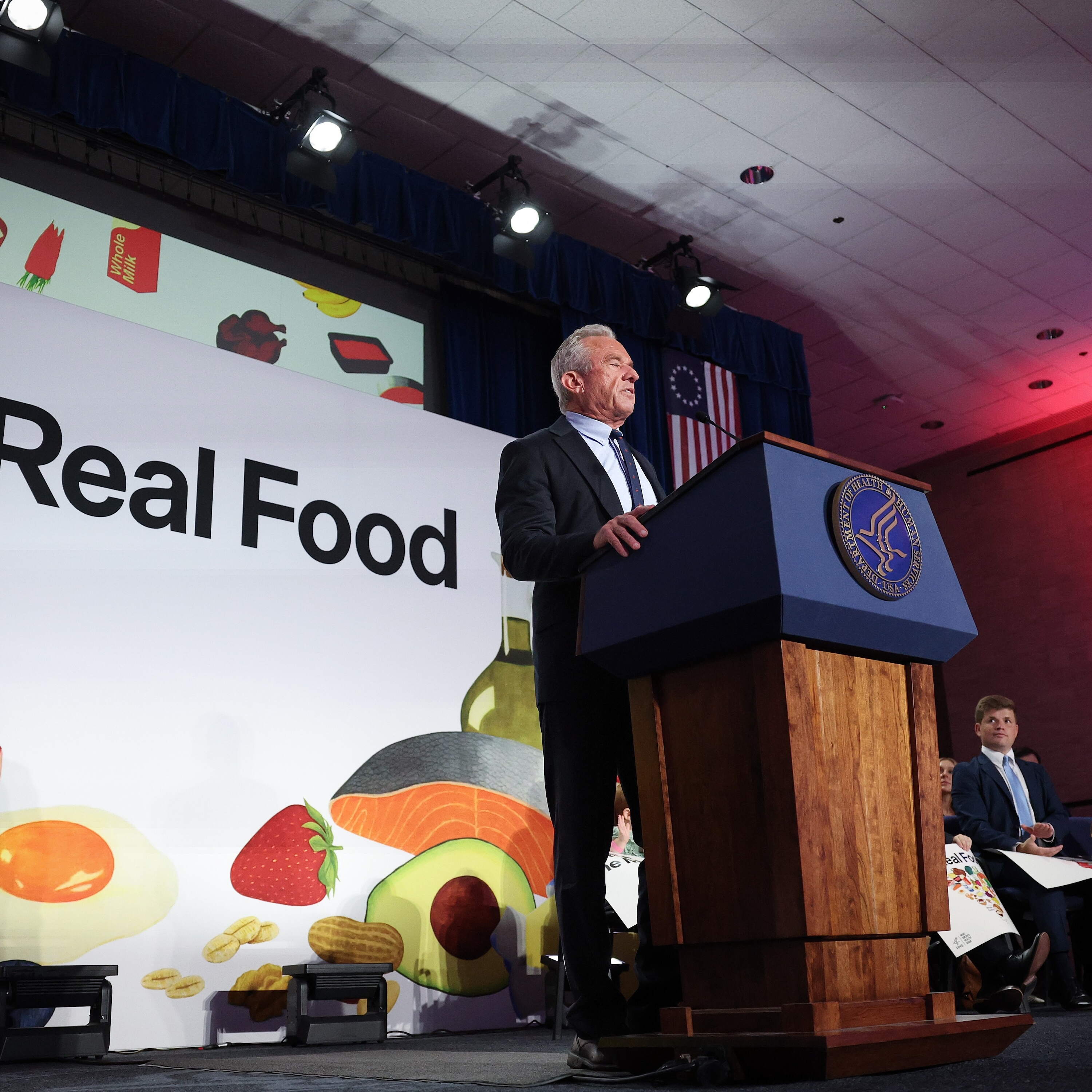
Overview of MAHA’s midterm report card
NPR’s Short Wave examines how the “Make America Healthy Again” (MAHA) movement has fared since helping propel Donald Trump back to power and placing Robert F. Kennedy Jr. at the helm of Health and Human Services. The verdict from NPR health reporter Will Stone is mixed: the administration has delivered on some symbolic and policy wins that resonate with MAHA supporters, but it has also disappointed the movement on major issues like regulating ultra-processed foods, toxic chemicals, and pesticides.
What MAHA is trying to do
MAHA is a broad, loosely defined coalition that includes:
- Moms and wellness influencers
- Voters across the political spectrum
- Vaccine skeptics and critics of the medical establishment
- People concerned about food quality, environmental toxins, chronic disease, and prevention
The movement’s appeal comes from issues many Americans care about, such as:
- Cleaner food
- Fewer harmful chemicals in water and agriculture
- Better prevention of chronic illness
- A medical system that is less costly and more health-focused
But the movement is also internally divided, especially over vaccines and trust in science.
Where the administration says it has delivered
Food policy wins
One of the clearest MAHA victories has been the revision of dietary guidelines. The changes were not as dramatic as some supporters wanted, but they did reflect MAHA priorities by:
- Raising the recommended protein intake
- Emphasizing saturated fat differently
- Encouraging full-fat dairy and beef tallow
The administration also helped push several major food companies to voluntarily phase out some food dyes, which MAHA supporters view as a win.
Wellness and alternative therapies
Kennedy and the administration have also signaled support for a range of wellness-adjacent and experimental treatments, including:
- Psychedelics
- Peptides
- Testosterone therapy
- Stem cells
- Raw milk
- Vitamins
- Ivermectin
The administration has tried to make some of these more available, even when they are not FDA-approved or strongly supported by human trial evidence.
Where MAHA supporters feel betrayed
Ultra-processed foods
This has been a major frustration point. Kennedy has called ultra-processed food “poison,” but the federal government has not taken meaningful regulatory action. Work on defining the term continues, but advocates say the administration has not gone far enough.
Toxic chemicals and environmental regulation
On chemicals, many MAHA supporters are disappointed by the EPA’s direction under Lee Zeldin. The agency has:
- Hired people with ties to the chemical industry
- Pursued broad deregulation
- Taken action that appears to conflict with concerns raised in the administration’s own MAHA report
This includes issues such as:
- PFAS (“forever chemicals”)
- Air pollutants
- Mercury
- Formaldehyde
Glyphosate / Roundup
Glyphosate has become a major fault line within the coalition. Although some scientists and the WHO have raised cancer concerns, the administration has largely sided with industry by:
- Backing Bayer in a Supreme Court case
- Encouraging domestic glyphosate production via executive action
That has angered grassroots MAHA activists, especially those focused on agricultural chemicals.
Why the midterms matter
The episode frames the midterms as a stress test for the MAHA coalition. Key questions include:
- Can Democrats win by adopting some MAHA themes?
- Will voters care more about these issues than party labels?
- Will MAHA remain tied to Trump and Republicans, or evolve into a broader health-focused movement?
Democratic push to claim MAHA issues
Some Democrats, like Rep. Shelley Pingree of Maine, are trying to make food toxins, chemical exposure, and affordability part of their own health message. The argument is that concerns about food safety and corporate control cut across party lines.
Movement identity is still fluid
Some activists believe MAHA may eventually need to:
- Drop the label
- Broaden beyond Republicans
- Rebrand around health, food, and environmental safety rather than partisan politics
Main takeaway
MAHA has had real influence, especially on messaging and a few policy changes, but the administration’s record is uneven. It has made symbolic and selective progress on food and wellness issues, while falling short on deeper regulatory fights over ultra-processed foods, pesticides, and chemical safety. The midterms may determine whether MAHA becomes a durable political force or fades as a narrowly partisan movement.