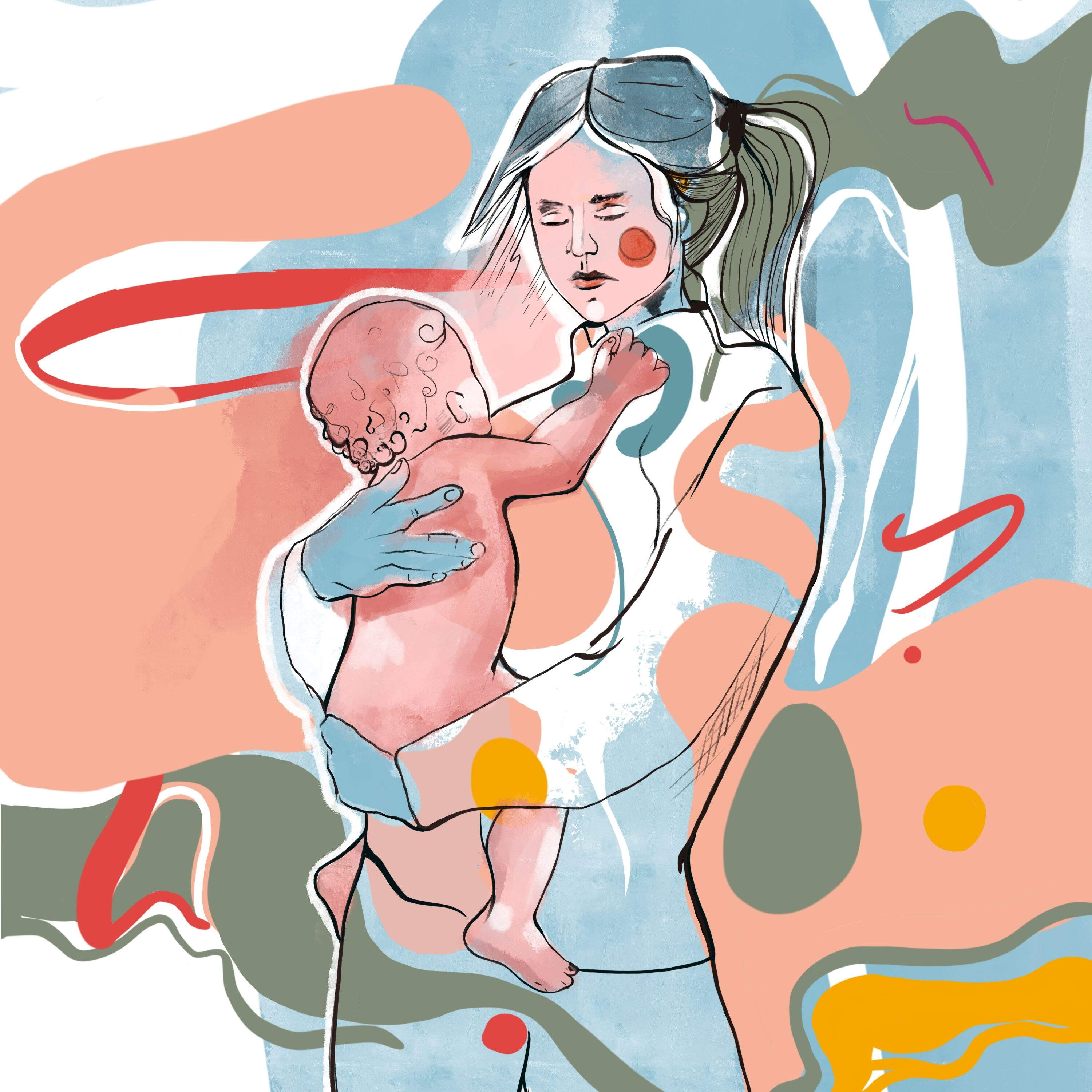
Overview of NPR Shortwave episode: Lindsay Clancy and postpartum psychosis
This NPR Shortwave episode examines the Lindsay Clancy case through the lens of postpartum psychosis—a rare but serious mental health condition that can emerge after childbirth and can involve hallucinations, paranoia, mania-like symptoms, and a distorted sense of reality. The hosts use the trial as a starting point to explain what postpartum psychosis is, how it differs from postpartum depression, how it’s treated, and why research and care around it remain alarmingly limited.
Key takeaways
-
Postpartum psychosis is not the same as postpartum depression or “baby blues.”
- It is more severe and can include hallucinations, delusions, paranoia, and extreme mood changes.
- It can create danger for both the parent and the baby.
-
The condition is rare but not vanishingly rare.
- It affects roughly 1–2 in 1,000 births.
-
The cause is still not well understood.
- It can appear suddenly in the first days or weeks after delivery.
- Risk is higher for people with bipolar disorder or a prior episode of psychosis, but it can happen to anyone.
-
Treatment can work quickly.
- A leading treatment is lithium, often combined with antipsychotic medication.
- Symptoms may improve within days or weeks with proper care.
-
The biggest problems are diagnosis, stigma, and lack of infrastructure.
- Many parents don’t know what’s happening or are afraid to seek help.
- The U.S. lacks specialized hospital units where a parent can be treated while staying with their baby under supervision.
What postpartum psychosis looks like
The episode describes symptoms as including:
- sudden euphoria or unusually high energy
- irritability or agitation
- paranoia and mistrust
- hallucinations or hearing voices
- delusional thinking
- losing touch with reality
One interviewee, Ayana Lage, described feeling initially euphoric after giving birth, then becoming paranoid and hearing what she called the “voice of God.” She was hospitalized for 17 days and recovered.
Why the Lindsay Clancy case is central to the discussion
The Clancy trial raised public attention because it asked whether she was legally sane when she killed her three children. Her defense argued she was suffering from psychosis; prosecutors argued she acted intentionally. The episode notes that the trial ended in a mistrial after the jury could not reach a unanimous verdict.
The hosts also compare the case to Andrea Yates, who drowned her five children in 2001 amid severe postpartum psychiatric illness. The comparison underscores how little progress has been made in understanding and preventing these tragedies.
Treatment, recovery, and prognosis
Effective treatment
- Lithium is presented as one of the best-supported medications.
- Antipsychotics are often used alongside it.
- Some patients improve rapidly once treatment begins.
Recovery
- Successful treatment can restore the parent’s ability to bond with and care for their child.
- In the episode, experts note that children of parents who recovered from postpartum psychosis generally do well.
Future pregnancies
- Some people can safely have more children with careful monitoring.
- Ayana Lage’s second pregnancy went well because her support system was alert to warning signs and her psychiatrist was involved early.
Gaps in care and research
The episode emphasizes several major systemic problems:
- Postpartum psychosis is not formally defined in the DSM-5, which makes research and standardized treatment harder.
- There is very little literature on the condition compared with its seriousness.
- Lithium prescriptions have declined, partly because it is cheap, not patentable, and less profitable for drug companies to promote.
- Many hospitals lack mother-baby psychiatric units, which exist in some other countries but are uncommon in the U.S.
- Parents may be discharged before they are fully stable because they want to go home and the system is overloaded.
What clinicians and families should do
For doctors
- Ask new parents about symptoms of:
- mania
- psychosis
- paranoia
- hallucinations
- Do not assume symptoms are just stress or normal postpartum adjustment.
For partners, family, and friends
- Watch for behavior that is very unlike the person’s normal self.
- If something seems off:
- don’t leave the parent alone with the baby
- contact their doctor
- seek emergency care if symptoms are severe
Bottom line
The episode argues that postpartum psychosis is serious, treatable, and under-recognized. The Lindsay Clancy case brought public attention to the condition, but the deeper issue is the lack of research, formal diagnostic standards, and specialized care. The central message: early recognition and support can save lives, and the people closest to a postpartum parent are often the first and most important line of defense.