Overview of How this year's record El Niño could hit your wallet
This NPR Short Wave episode explains how the current record-strength El Niño is affecting Peru’s fishing industry and why its economic consequences can ripple far beyond South America. The story traces El Niño’s origins in Peruvian fishing culture, then shows how warming Pacific waters disrupt the Humboldt Current, reduce anchovy catches, raise global prices for fish oil and fish meal, and may slow economic growth worldwide for years.
Key Themes and Takeaways
El Niño’s origins and meaning
- The term El Niño originally came from Peruvian fishermen, who noticed warm waters around Christmas and associated the event with the “boy child” or baby Jesus.
- Historically, this referred to a local seasonal warming, not the global climate phenomenon scientists now track.
- Today, El Niño is understood as a recurring Pacific climate pattern that happens every 2 to 7 years and affects weather worldwide.
Peru’s fisheries are a global powerhouse
- Peru’s coastal waters are among the most productive fisheries on Earth.
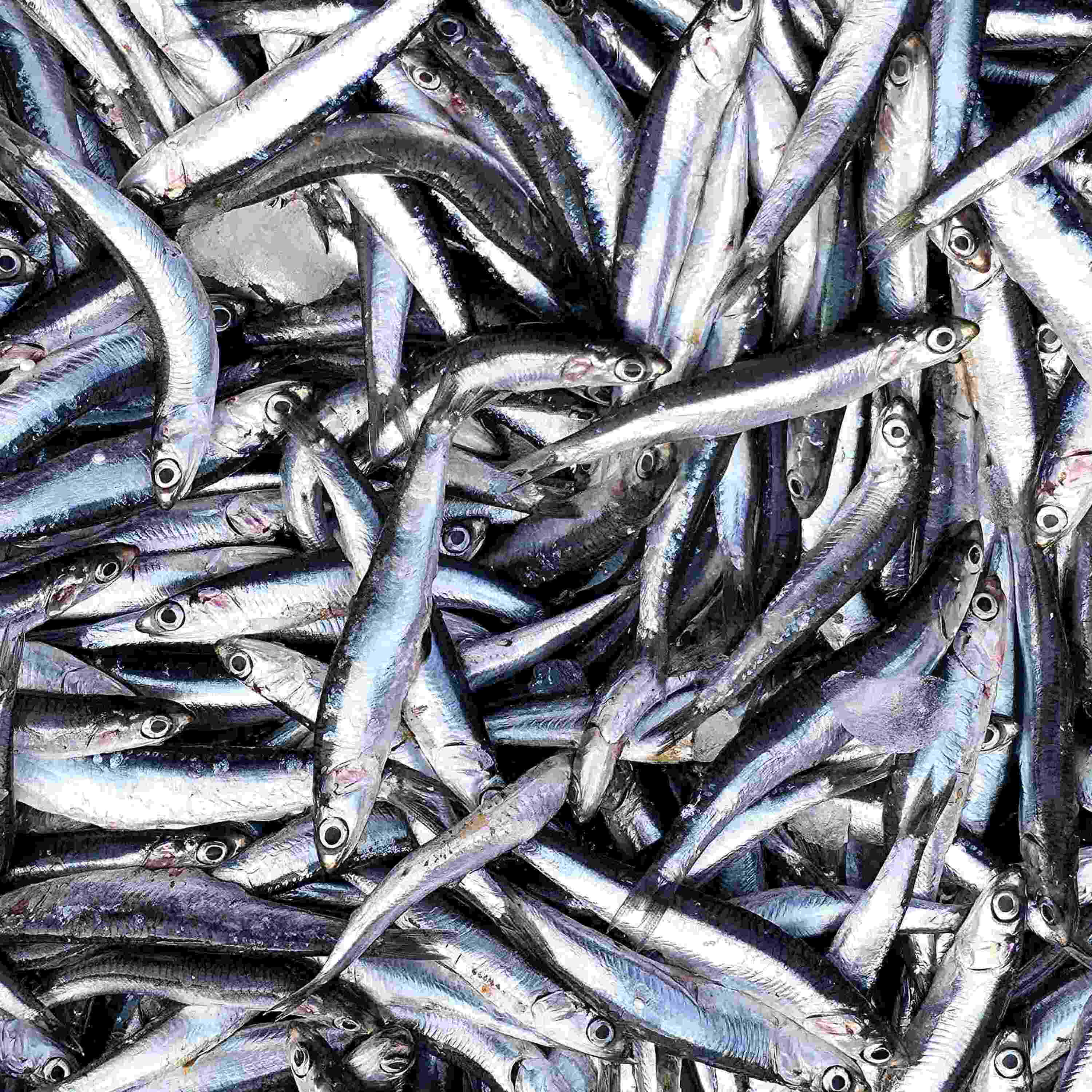
- The Peruvian anchoveta is the cornerstone species, thanks to the Humboldt Current, which drives nutrient-rich upwelling and supports huge fish populations.
- Peru accounts for about 6–7% of the world’s catch, with millions of tons of anchovies harvested in normal years.
How El Niño disrupts the fishery
- El Niño warms Pacific waters, weakens the Humboldt Current, changes winds, and reduces upwelling.
- With fewer nutrients reaching the surface, the food chain is weakened and anchovy populations drop sharply.
- This year, Peruvian fishers caught only about 25% of their quota before authorities halted fishing to protect the stock.
- A second fishing season was also canceled.
The economic fallout
- Most Peruvian anchovies are not eaten directly; they are processed into:
- Fish oil for supplements
- Fish meal for livestock and aquaculture feed
- In a normal year, Peru exports roughly $2 billion worth of these products.
- This year, exports may fall to under $1 billion, hitting jobs, government revenues, and global supply chains.
- Peru’s central bank forecasts a 30% contraction in the fishing sector for 2026 and a loss of 78,000 jobs.
El Niño’s broader global costs
- Economist Christopher Callahan explains that El Niño’s damage continues long after the initial weather event.
- His research found that severe El Niño events can cost the global economy $4–5 trillion or more over five years.
- A recent estimate from the Peterson Institute suggested the current El Niño could reduce global output by nearly $1 trillion next year, and over $7 trillion over five years without adaptation.
Climate change may amplify the effects
- Callahan notes that it’s difficult to separate El Niño’s impacts from human-caused warming.
- Higher baseline sea temperatures and more atmospheric moisture may make El Niño-related damage worse.
- He emphasizes that understanding the interaction between El Niño and climate change is an open but important scientific question.
Main Implications
For consumers and industries
- Higher prices for fish oil and fish meal could affect:
- Nutritional supplements
- Animal feed
- Aquaculture
- Agriculture
- Supply shocks may persist for years, not just months.
For governments and businesses
- Countries vulnerable to El Niño should invest in preparedness and adaptation now.
- Economic losses are not limited to immediate disasters like floods or fishery shutdowns; they can include:
- Slower GDP growth
- Health impacts
- Labor disruptions
- Long-term infrastructure recovery costs
Notable Insight
“Recovery doesn’t happen overnight.”
That idea captures the episode’s central point: El Niño is not just a weather event, but a long-tail economic shock whose effects can accumulate across industries, countries, and years.