Overview of How scientists discovered that animals are doctors, too
This NPR Short Wave episode explores the growing scientific field of animal self-medication—the idea that many animals don’t just get sick, but also actively treat illness or injury using plants, minerals, insects, and even social behaviors. What was once dismissed as a uniquely human trait is now recognized as widespread across the animal kingdom, with important implications for medicine, livestock care, and conservation.
How scientists discovered animal medicine
The chimpanzee breakthrough
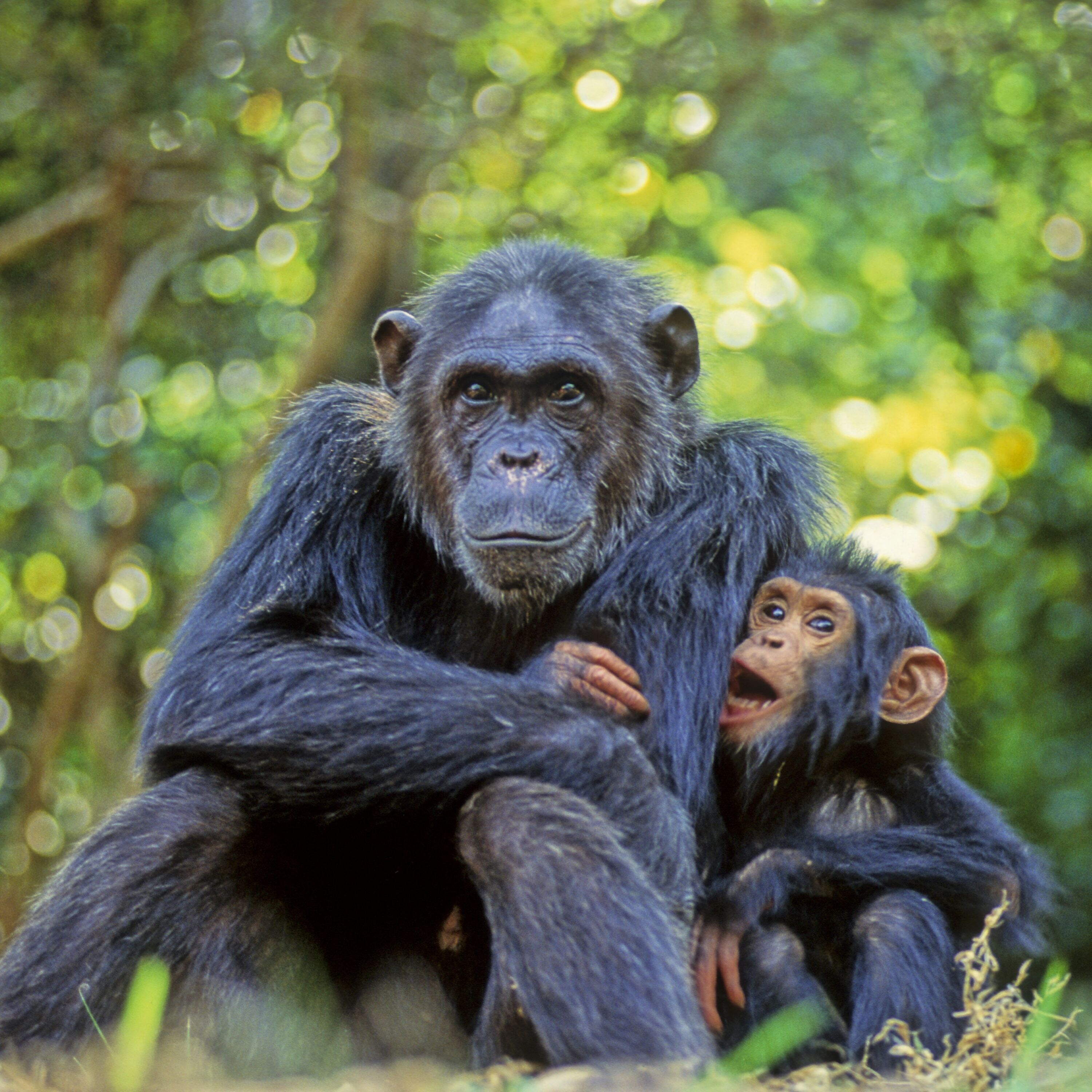
- In 1987, biologist Michael Huffman observed a sick chimp in Tanzania eating a bitter leaf plant in a very specific way.
- The chimp:
- peeled off bark and leaves,
- chewed and sucked the inner part,
- and spit out the fibrous material rather than eating it normally.
- The chimp recovered quickly, and researchers later confirmed the plant had bioactive compounds and was already used in human traditional medicine for similar ailments.
Why the discovery mattered
- At the time, many scientists assumed wild animals “never get sick” or didn’t use medicine intentionally.
- Huffman’s work took years of observation, parasite testing, and chemical analysis to prove the behavior was medicinal.
- Traditional healers and local guides had long known about these plant uses, showing the value of combining scientific and indigenous knowledge.
Examples of animal self-medication
The episode highlights how widespread this behavior is:
- Bears chew willow bark for aches and pain.
- Apes and chimps apply chewed leaves to wounds.
- Ants perform limb amputations on infected nestmates to stop the spread of infection.
- Buffaloes, elephants, and primates eat dirt, possibly to support gut health and immunity.
- Birds engage in anting, using ants to apply formic acid that helps kill lice.
- Dolphins may rub against corals and sponges to treat skin problems.
- Monarch butterflies lay eggs on toxic milkweed when infected with parasites, helping protect their offspring.
- Bees use antimicrobial tree resins in hives.
- Florida carpenter ants carry out life-saving amputations on infected nestmates.
Key scientific insight
Medicine is not just a human thing
- The episode emphasizes that food, behavior, and medicine often overlap in nature.
- Animals may medicate:
- themselves,
- their offspring,
- or other members of their colony or group.
- Insects, despite tiny brains, can show surprisingly sophisticated medicinal behaviors.
Not all “medicine” is obvious
- Some treatments are preventive, not curative.
- Example: infected monarch butterflies don’t benefit themselves directly by choosing toxic milkweed, but they help reduce parasite transmission to their future offspring.
Why this matters for people
1. Better care for domesticated animals
- Understanding animal self-medication could improve how humans manage:
- bees in agriculture,
- sheep and goats in pastures,
- and other livestock.
- Instead of always relying on antibiotics or cleaning away natural materials, humans may need to support animals’ own healing behaviors.
- This could also reduce antibiotic resistance.
2. Discovery of new medicines
- Many modern medicines already come from nature:
- aspirin from willow bark,
- penicillin from fungus.
- Studying animal behavior can reveal previously overlooked plants and compounds with pharmaceutical potential.
- Research on chimp diets has already uncovered anti-malarial compounds and other promising substances, including compounds from the bitter leaf plant that may inhibit tumor growth.
3. Conservation and ecosystem health
- Medicinal plants and resources are part of a shared ecological system.
- If those resources disappear, it threatens:
- animal health,
- human health,
- and the overall balance of ecosystems.
- The episode frames the planet as a shared medical cabinet: what helps animals may also help humans.
Main takeaway
The core message is that animals are not passive when they get sick—many actively seek out treatments, treat one another, and pass medicinal strategies across generations. This challenges the old idea that medicine is uniquely human and suggests that animal behavior can help scientists discover new treatments, improve animal care, and understand how deeply connected human health is to the natural world.