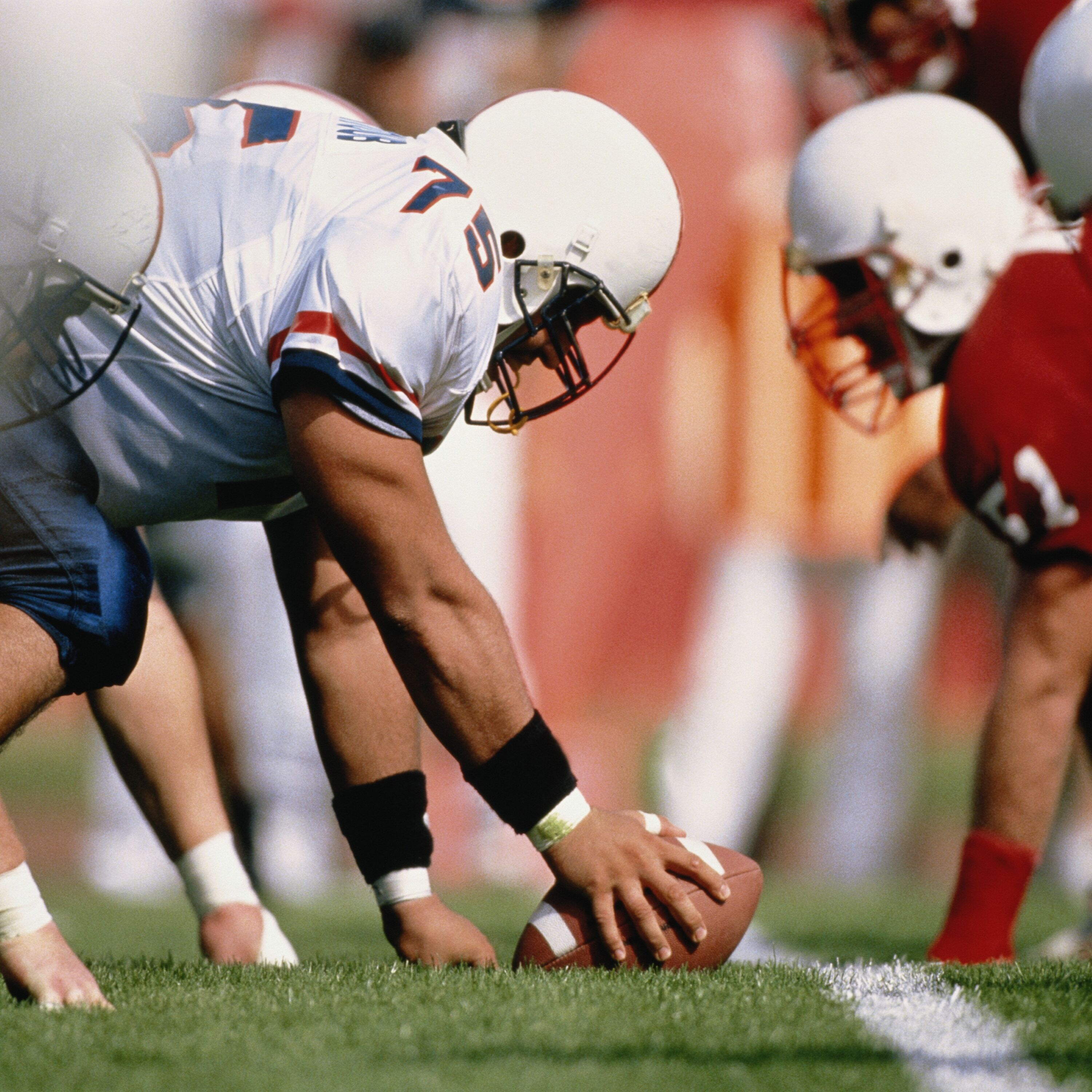
Overview of Football is here – and so is a new study on CTE
This NPR Short Wave episode examines a new study on chronic traumatic encephalopathy (CTE), the degenerative brain disease linked to repeated head impacts in football and other contact sports. The big finding: among former NFL players who died between 2016 and 2021 and were examined, at least 25% had CTE, with the true rate likely somewhere between 25% and 98% depending on the sample assumptions. The conversation also explains what CTE is, why it’s hard to study, how it relates (and doesn’t fully relate) to dementia, and why players and fans should focus on treatable symptoms rather than assuming every concern means irreversible brain disease.
Key Findings From the New Study
- Researchers looked at former NFL players who died during a six-year period and compared:
- those whose brains were examined and diagnosed with CTE
- the broader set of players who played at least one NFL game and died in that same period
- The study estimated:
- minimum CTE rate: 25%
- maximum possible rate: 98%
- The authors emphasize that the real number is likely somewhere in between, but the study confirms CTE is common in this population.
What CTE Is
Definition and diagnosis
- CTE stands for chronic traumatic encephalopathy.
- It is a neurodegenerative disease associated with repeated head trauma.
- It cannot currently be definitively diagnosed in a living person.
- Diagnosis requires examining brain tissue after death for abnormal tau protein buildup.
Symptoms commonly associated with CTE
- Memory loss
- Depression
- Mood swings
- Personality changes
The episode stresses that these symptoms can overlap with many other conditions, which makes CTE research and diagnosis especially difficult.
Why This Study Matters
- It helps answer a long-running question: How common is CTE among football players?
- The finding is especially important because football has long been associated with repeated impacts to the head, including:
- concussions
- sub-concussive hits
- repeated collisions over many years
- The study also reinforces that CTE risk is not limited to football:
- ice hockey
- boxing
- soccer
- combat sports
- some military blast exposures
Important Caveats and Context
This does not necessarily reflect today’s NFL
- Many of the players studied were from earlier eras, often the 1970s, 1980s, and 1990s.
- Football safety has changed significantly since then:
- better helmets
- more concussion awareness
- stricter protocols
- fewer full-contact practices
- safer kickoff rules
- So the study’s prevalence estimate should not be read as a direct prediction for current players.
Brain-bank bias is a major issue
- CTE research often relies on donated brains from players or families who suspected problems.
- That can inflate apparent rates because the sample is not random.
- The new study tried to correct for that by creating a broader estimate based on all former NFL players who died in that period.
CTE and Dementia: What the Study Found
- CTE is often assumed to be essentially a form of early dementia, but the relationship is more complicated.
- The study found:
- a strong dementia association in stage 4 CTE
- much weaker or inconsistent links in earlier stages
- Some players without CTE still had dementia.
- Some players with CTE did not.
- The episode’s takeaway: CTE and dementia are related in some cases, but they are not the same thing, and the connection is not simple.
Most Practical Takeaway for Players and Fans
- CTE itself cannot be cured yet
- But many symptoms people worry about may actually come from treatable conditions, such as:
- sleep apnea
- depression
- low testosterone
- high blood pressure
- The episode urges former players and others with concerns to seek medical care rather than assume symptoms mean inevitable CTE.
Notable Insight
“It has to be an informed choice and we need to make it as safe as possible.”
This quote captures the episode’s broader message: people may choose to play contact sports, but they should understand the risks and reduce them as much as possible.
Bottom Line
This episode presents a sobering but nuanced update on CTE research. The new study suggests CTE is common among former NFL players whose brains were examined after death, but it also highlights how uncertain the true prevalence is, how difficult CTE is to diagnose, and how much more research is still needed. The most immediate advice is practical: treatable health problems should not be ignored simply because they resemble CTE symptoms.