Overview of AI-made viruses could be the future of medicine
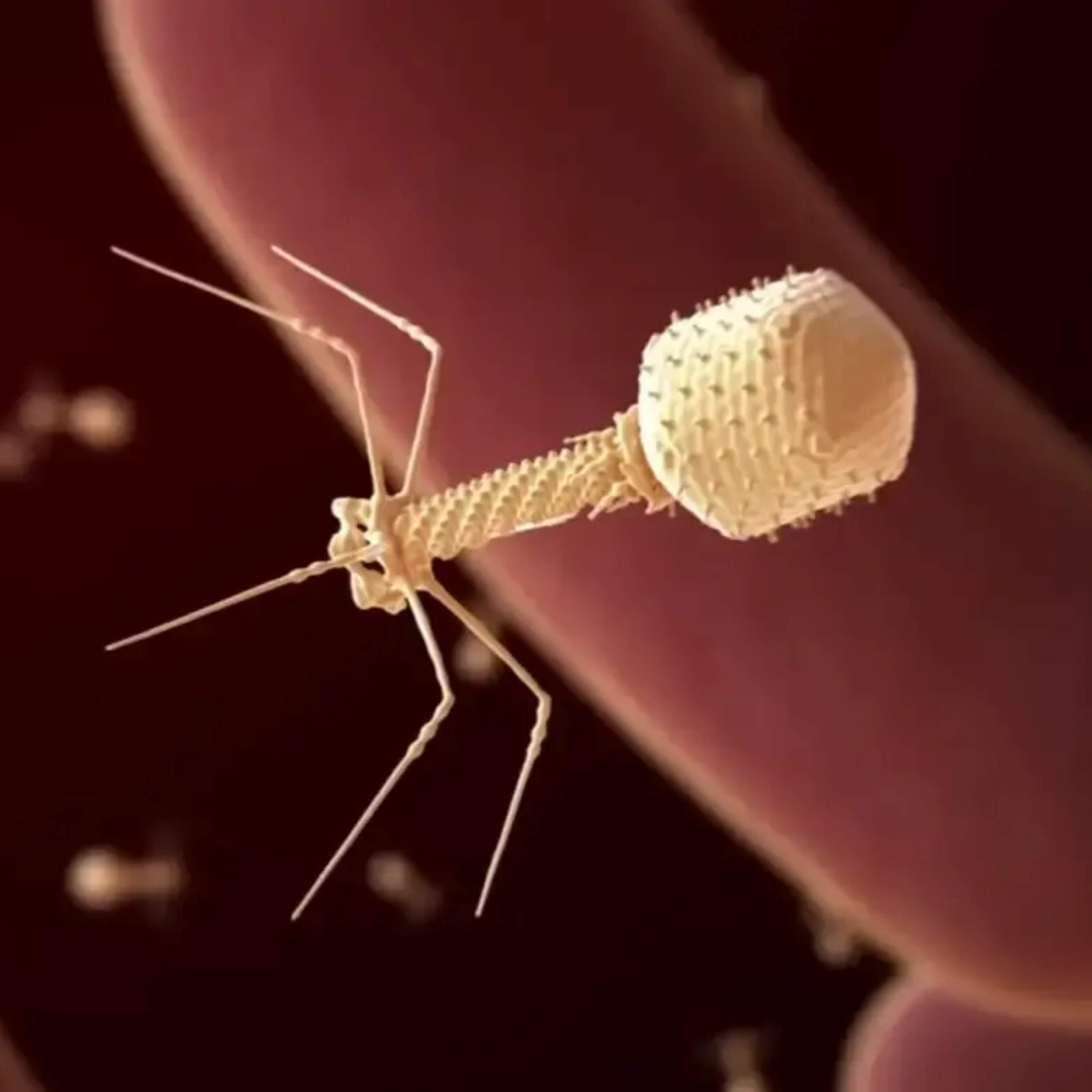
This NPR Short Wave episode explores a breakthrough in synthetic biology: scientists trained AI on DNA sequences and used it to design brand-new viruses that infect bacteria, not humans. The conversation focuses on how this technology could eventually help treat drug-resistant infections and, farther out, enable more advanced biological therapies — while also raising serious concerns about biosecurity, misuse, and the need for regulation.
What the Scientists Did
- Researchers trained AI models on large sets of DNA sequences, treating DNA like a language made of four letters: A, C, G, and T.
- The models were then prompted to generate new viral genome sequences.
- Those sequences were introduced into bacteria, which acted like tiny factories and produced viruses.
- Out of roughly 300 AI-designed viruses tested, 16 worked and were able to infect bacteria.
- The work was published in Science and is described as the first known example of this kind of AI-generated viral creation.
Why This Matters for Medicine
Near-Term Potential
The most immediate promise is in fighting drug-resistant bacterial infections.
- Scientists hope to design custom viruses that kill bacteria, especially strains that no longer respond to antibiotics.
- These could serve as a new therapeutic tool when traditional treatments fail.
- The researchers see this as a possible next step toward real clinical applications using patient-specific bacterial strains.
Long-Term Vision
Looking further ahead, researchers imagine using AI to design more complex biological systems.
- Instead of just single molecules or drugs, AI could help build multi-gene genetic pathways that perform sophisticated tasks.
- Potential future applications mentioned include diseases like Alzheimer’s and cancer.
- This is still speculative and likely decades away.
Safety, Risk, and Biosecurity Concerns
The episode emphasizes that this is a powerful technology with dual-use risks.
- Experts say the research was conducted responsibly, with precautions in place.
- Still, as AI becomes more capable and accessible, it could lower barriers to designing dangerous biology.
- The biggest fear is misuse, including the possibility of engineering harmful pathogens or biological weapons.
- While today the expertise required is still limited, experts worry that broader access could make harmful design easier in the future.
How Experts Think It Should Be Regulated
Current Challenge
- Governments are generally hesitant to regulate scientific experimentation directly.
- There is currently no strong governance system specifically designed to prevent misuse of AI-generated biology.
Suggested Approach
- Rather than trying to control AI access itself, some experts say it may be more effective to regulate the transition from digital sequence to physical DNA.
- Since DNA synthesis companies physically produce custom sequences, they represent a key chokepoint.
- One proposed safeguard is requiring those companies to screen DNA orders for dangerous sequences.
- The episode notes that a bipartisan Senate bill has already been proposed along these lines.
Key Takeaways
- AI can now help design new viruses that infect bacteria.
- This could lead to new treatments for antibiotic-resistant infections.
- The technology also raises major concerns about biosecurity and possible weaponization.
- Experts believe regulation should focus on the DNA synthesis supply chain, not just AI access.
- The debate reflects a larger tension in AI: the same tool could accelerate both medical breakthroughs and serious harms.
Notable Insight
“Nature is not necessarily a good actor either.”
This point captures the episode’s central tension: while AI-created biology could be dangerous in the wrong hands, it may also help humanity respond faster to natural threats like the next pandemic.