Overview of Where all those weird new drinks are coming from
This Planet Money episode explores why the beverage aisle has become flooded with unusual new drinks and flavors — from sparkling teas with adaptogens to “functional” sodas, protein broths, and exotic flavor mashups. The answer comes down to three main forces: rapid advances in flavor science, the rise of beverages that promise a function beyond taste, and lower barriers for new brands to get drinks manufactured and onto shelves.
Why beverage choices exploded
The hosts frame the episode with nostalgia for the old “Coke vs. Pepsi” era, when the drink aisle was dominated by a handful of big brands. Today, the market is far more fragmented and experimental.
1) Flavor science has advanced dramatically
- Companies like Flavor Man in Kentucky help brands invent new drinks and flavors behind the scenes.
- Flavorists now have access to many more aroma compounds than they did 10–20 years ago.
- New techniques allow scientists to:
- isolate delicate flavors from plants,
- identify and combine aroma chemicals more precisely,
- and even use bacteria to help produce flavor compounds.
- This has enabled:
- exaggerated flavors,
- fantasy flavors,
- and more “global” or “exotic” taste profiles.
2) Drinks now need a “job”
- Beverage companies increasingly market drinks not just as refreshing, but as functional:
- energy,
- sleep,
- hydration,
- gut health,
- recovery,
- relaxation.
- Examples discussed include:
- energy drinks,
- seltzers,
- mocktails,
- probiotic sodas,
- protein drinks,
- hydration broths.
- The episode argues that many of these products succeed by creating new reasons to buy a beverage instead of plain water.
3) It’s much easier to launch a drink brand
- In the past, independent brands faced major manufacturing barriers:
- limited bottling/canning access,
- large minimum orders,
- high startup costs.
- The craft beer boom changed that:
- many breweries built canning lines,
- excess capacity made small production runs possible.
- Today, brands can often test a beverage with only a few thousand cans, lowering the barrier to entry.
- Result: more startup beverage brands, more competition, and more shelf variety.
Inside Flavor Man: how new drinks get made
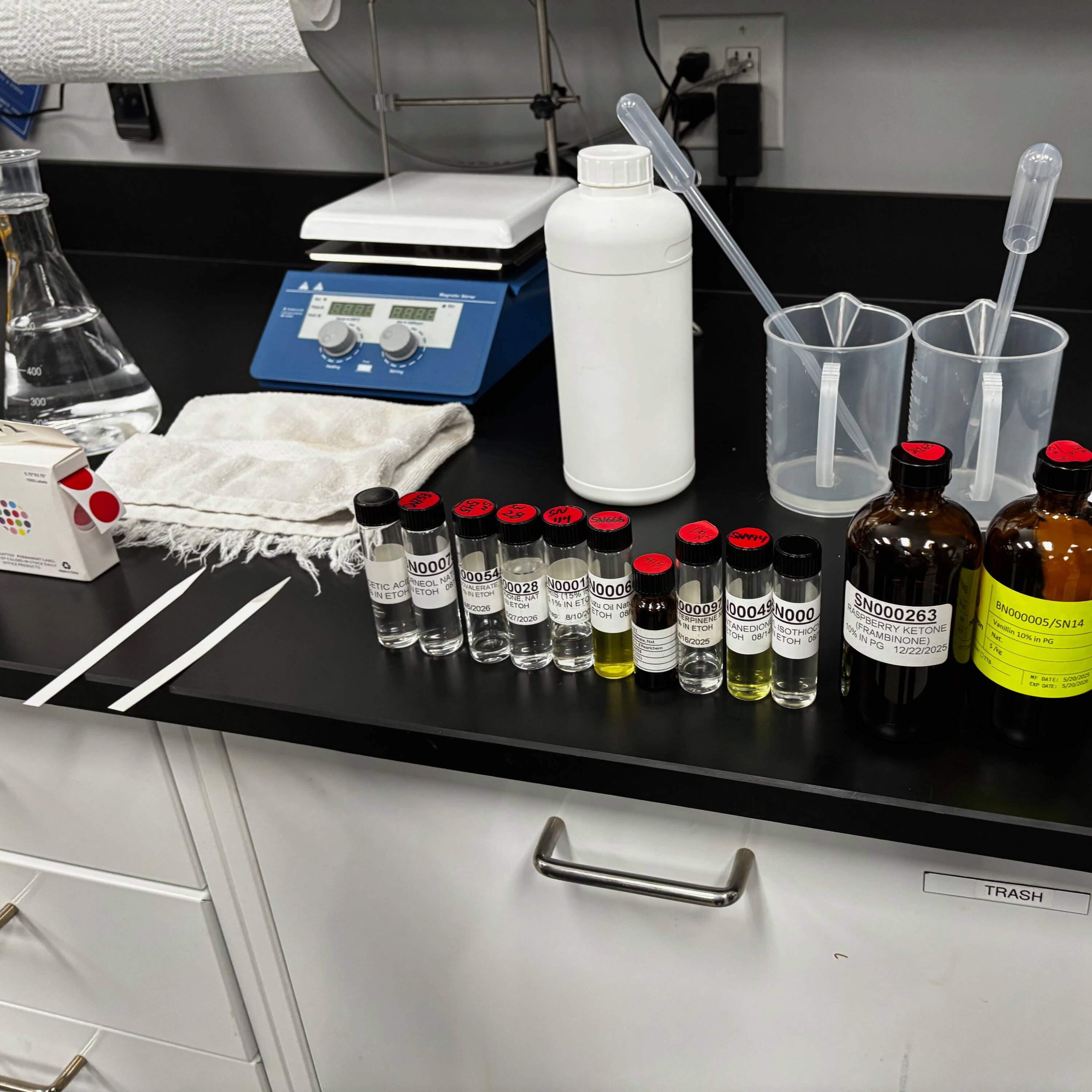
The episode takes listeners inside Flavor Man, a beverage development company that helps brands create and scale new drinks.
Flavor development
- Tom Gibson, the chief flavorist, explains that “flavor” is often really about aroma.
- He and his team combine many aroma chemicals to build a flavor profile.
- Even familiar flavors like cherry or berry are built from complex combinations, sometimes including unexpected notes like cheesy or sweaty compounds that make the fruit taste fuller and more realistic.
Beverage concept development
- Kristen Weber, Flavor Man’s CTO, explains that a drink is more than flavor — it also needs a concept.
- Her team works on the “type” of beverage:
- energy drink,
- sparkling beverage,
- mocktail,
- functional drink,
- etc.
- The episode highlights how ingredient trends shape these concepts:
- caffeine,
- prebiotics,
- coconut water,
- protein,
- bone broth,
- electrolytes.
The Planet Money drink experiment
As a playful side quest, the hosts asked Flavor Man to design a drink that captures the essence of Planet Money.
Final prototype
The team created:
- a yuzu elderberry sparkling coconut water as the base,
- with a secret ingredient: jambu, a tropical herb that creates a tingling, mouth-numbing sensation.
What it was meant to communicate
- Yuzu and elderberry were chosen to feel:
- global,
- sophisticated,
- trendy,
- but still approachable.
- Jambu added a surprising, attention-grabbing twist — something unusual and memorable, like the show itself.
Main takeaway
The explosion of weird new drinks is not random. It reflects a broader shift in the beverage industry:
- More flavor tools
- More beverage categories
- Easier manufacturing
- Lower startup barriers
- More consumer demand for novelty and function
In short, the drink aisle looks wild because companies can now invent almost anything, make it in small batches, and sell it as solving a problem — even if the “problem” is just wanting something more interesting than water.