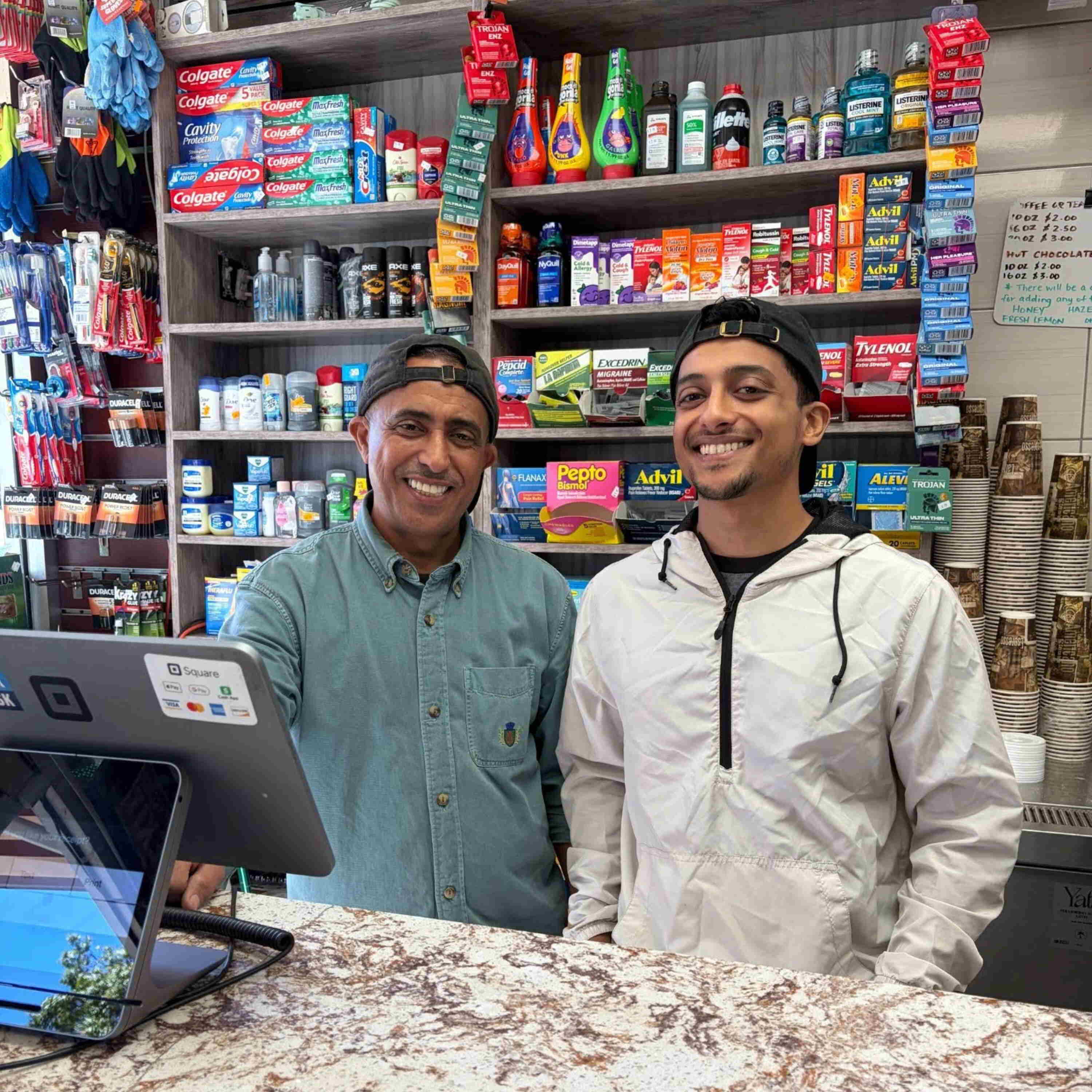
Overview of “How Bodegas Led to the Yemeni Coffeehouse Explosion”
NPR’s Planet Money traces the rise of Yemeni coffeehouses to a foundation built over decades in American bodegas. Through the story of Brooklyn café owner Hakeem Sulimani and his father, Tarek, the episode explores how immigrant business networks help communities establish themselves in an industry—and how a younger generation can adapt that experience into something new.
From Corner Stores to Coffeehouses
Tarek Sulimani came to the United States from Yemen in the 1990s, during civil war and economic turmoil. With help from relatives already in the bodega business, he learned the work on the job, built his English skills while serving customers, and eventually opened his own store with interest-free loans from family and friends.
Hakeem grew up working in his father’s deli and learned to love coffee there. As an adult, he wanted a welcoming place to work and socialize, especially one that could serve Muslim and Arab American families late into the evening. In 2019, he and his cousin opened Yaffa Cafe, just three doors from the family deli in Sunset Park, Brooklyn. Yemeni coffeehouses have since spread across the country, offering specialty drinks, pastries, and a family-friendly gathering space.
Why Immigrant Businesses Cluster
Economist Bill Kerr describes how immigrant communities sometimes become concentrated in particular industries. He points to Vietnamese American nail salons as an example of a business cluster that began partly through a chance connection: actress and humanitarian Tippi Hedren helped Vietnamese refugees learn manicuring.
Kerr’s research across 131 immigrant groups found that clustering is more common when people have strong social ties. Shared language, family connections, and community gatherings can help entrepreneurs exchange practical knowledge and find customers, workers, or business support. His research also found a financial advantage: immigrants working in their community’s self-employment clusters tended to earn more than those in other self-employed work or wage jobs.
The episode cites the Yemeni American Merchants Association’s estimate that Yemenis run nearly half of New York City’s bodegas—around 5,000 stores—despite Yemenis making up a very small share of the U.S. population.
A New Generation Builds on Family Experience
Hakeem initially imagined photography as his career and saw the family bodega as a demanding job he might leave behind. His café idea grew from his own search for a comfortable place to work. He brought specialty coffee and a modern café style to the neighborhood while drawing on resources his father’s business had helped build: local relationships, community trust, and access to family connections in Yemen.
Importing Yemeni beans required new skills. Early shipments came in suitcases, and the war, closed ports, sanctions, and disrupted banking made regular shipments and payments difficult. Hakeem’s family eventually arranged for coffee to travel overland through Saudi Arabia, and payments to farmers were handled through Western Union after PayPal failed.
Key Takeaways
- Yemeni coffeehouses grew from community demand for late-night, family-friendly places to gather.
- Longstanding bodega networks gave the next generation business knowledge, local connections, and community trust.
- Social ties can help immigrant entrepreneurs share know-how and gain economic advantages in a specialized industry.
- Hakeem’s café reflects both continuity and change: it builds on his father’s entrepreneurial path while introducing a new generation to Yemeni coffee and café culture.