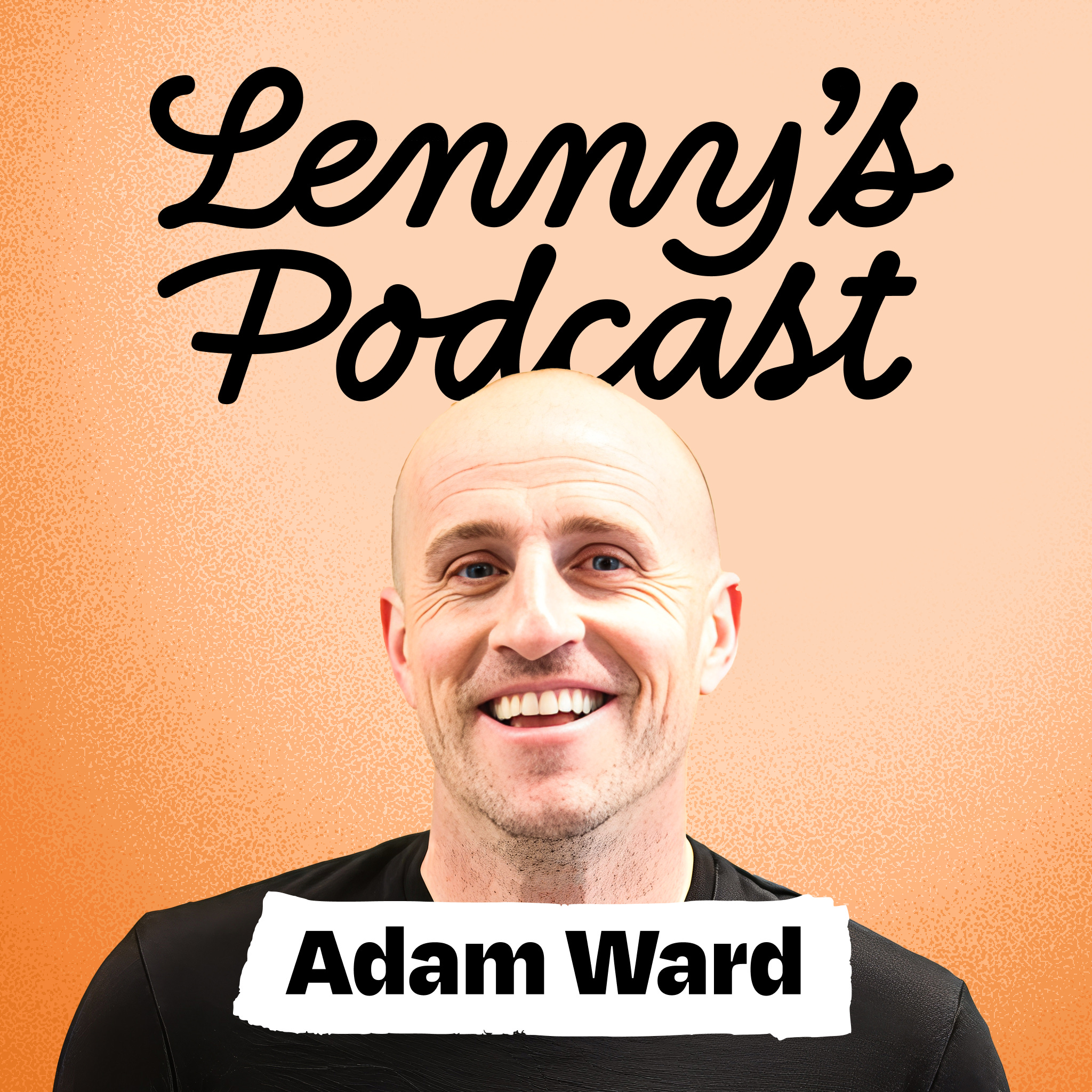
Overview of The playbook for building high talent density teams with Adam Ward
This episode is a tactical deep dive into how Adam Ward, Head of Talent at Cursor, builds elite, high-talent-density teams by rejecting traditional recruiting funnels and instead treating hiring like executive search: define excellence precisely, map the best people in the world, and pursue them relentlessly with care and specificity. The conversation covers how the AI talent market has changed, how Cursor sources and closes candidates, why work samples matter, how to design a standout candidate experience, and what early-stage founders often get wrong when hiring.
Key takeaways
-
Recruiting should not be a “funnel of doom.”
Most companies start with a broad pool and progressively filter down to whoever remains. Adam argues this systematically produces “remainder hiring,” not top talent. -
The best hiring starts with clarity.
Before sourcing anyone, define exactly what “great” means for the role:- required skills
- relevant experiences
- traits that matter most
- what success looks like
- why the role matters
-
Top talent is found through targeted market mapping, not generic outreach.
Instead of asking “Who’s the best X you know?”, ask highly specific questions tied to the role’s actual needs. -
Candidate experience is part of the sourcing strategy.
Every touchpoint should reinforce that the company cares deeply and personally. That care is a competitive advantage. -
Hiring is a team sport.
Recruiters should be confidence builders and orchestrators, but the hiring manager owns the decision. -
The goal is not to optimize conversion through volume.
The goal is to identify the best 1% and build a process around them.
How Adam thinks about the market right now
Adam described the current hiring environment as unusually compressed and polarized:
- For some roles, competition is extreme and offers are exploding.
- For other roles and companies, hiring is very difficult.
- The AI era is creating a “resettlement” of talent and labor, where demand is shifting quickly.
- The time horizon for change is no longer months or years; it can be days or weeks.
Roles most in demand
-
Forward-deployed engineers / technical customer-facing builders
- technical enough to work deeply with product
- able to partner with sales and customers
- able to help companies deploy and operationalize products
-
Strong product/design/engineering generalists
- people with good taste
- strong judgment
- systems thinking
- ability to translate across disciplines
Roles becoming less in demand
- Narrow specialists who are too deep and too siloed
- Recent grads without enough context to bridge product, engineering, and user needs
The “funnel of doom” and why traditional recruiting fails
Adam’s central critique is that most companies recruit like a sales funnel:
- reach out to many people
- get a few responses
- weed people out at each stage
- hire whoever survives the process
His argument:
- the people who reply are not necessarily the best people
- the process selects for availability and timing, not quality
- the result is often average, not elite, hiring
Better model: executive search for every hire
Instead of asking, “Who applied or replied?”, ask:
- Who are the best 50 people in the world for this role?
- How do we find them?
- How do we create a tailored reason for them to engage?
This is especially important for strategic or high-impact roles, but Adam argues the mindset should apply broadly.
How to identify the right people
1) Start with rigorous scoping
Before sourcing, get very clear on:
- the core skills required
- the top experiences that matter
- what success looks like in this company, with this product, at this moment
- how to stack-rank those attributes
This prevents hiring teams from relying on vague instincts like “I’ll know it when I see it.”
2) Use people with strong taste as signal sources
Adam recommends asking trusted people for specific traits, not generic “best person” recommendations.
Bad question:
- “Who’s the best product engineer you know?”
Better question:
- “Who’s the most collaborative with designers?”
- “Who translates frameworks into products exceptionally well?”
- “Who has unusually strong systems thinking?”
3) Mine existing networks deeply
The most valuable sourcing work is time-intensive and human:
- talk repeatedly with trusted employees
- inspect their networks
- revisit names over time
- keep notes and follow up
- build a living map of promising people
Adam emphasized that nothing beats repeated, structured conversations with people who have good taste.
4) Use company-level patterns as clues
If your ideal candidate profile includes certain characteristics, look for companies that value those traits too. That helps you infer where those people may have developed.
Why “careing more” is a recruiting advantage
One of Adam’s recurring themes is that care is free.
Ways to demonstrate care:
- personalize communication
- show that the company genuinely wants the candidate
- create thoughtful candidate experiences
- make people feel they belong before they join
He believes top candidate satisfaction often comes down to one thing:
- “They made me feel like they really wanted me there.”
How Cursor converts top candidates
Cursor uses a highly intentional, high-touch approach.
1) Warm intros and social proof
- Prioritize introductions from people the candidate trusts
- Use internal networks to create credibility quickly
- Reduce the chance that the first message gets ignored
2) Human, disarming interactions
Adam strongly favors:
- coffee
- lunches
- dinners
- shared meals
His philosophy: breaking bread is one of the most human, leveling, and connecting things you can do.
3) Bring candidates into the home field
Cursor tries to create a strong in-person feeling:
- office visits
- talk sessions
- side projects
- interactions with the actual team
- warm, intentional office atmosphere
This is meant to help candidates feel, emotionally, “this is home.”
4) Use the company as a magnet
Cursor’s team uses a Slack channel for hiring ideas, where anyone can suggest impressive people they’ve seen, heard about, or met. The whole company can then rally around those names.
This helps turn recruiting into a shared cultural behavior, not just a recruiting-function task.
Assessment: how Cursor increases signal
Adam believes most companies overweight interviews and underweight work samples.
Why work samples matter
Research suggests work samples are among the best predictors of success. Cursor leans into this by using:
- side-by-side projects
- practical exercises
- role-specific challenges
- real collaboration rather than just Q&A
This gives both sides signal:
- the company learns how the person works
- the candidate experiences the team and environment
The candidate experience is curated
Cursor tries to intentionally shape:
- who the candidate meets
- who they eat with
- who hosts them
- who coordinates logistics
- what kind of project or challenge they do
The recruiter acts as the quarterback, with hiring managers, coordinators, and others contributing.
How Cursor makes offers and closes candidates
Adam’s key point: closing starts at the beginning, not the end.
What drives offers to acceptance
- understand motivations early
- keep revisiting them throughout the process
- remove objections before the offer stage
- make the final offer feel like a natural continuation
Closing is a team sport
For high-profile candidates, Cursor runs daily or near-daily internal coordination:
- recruiter
- hiring manager
- former peers
- other influencers
Everyone aligns on how to get to “yes.”
Personalization matters
One example Adam shared:
- a candidate with a classical violin background received a thoughtful, relevant gift tied to that interest
The point is not the cost; it’s the signal of attentiveness.
After offer acceptance: the preboarding gap matters
Adam flagged a growing issue:
- candidates accept offers
- then there’s a gap before they start
- during that time, they can renege or drift
Cursor treats this as a second important motion.
What Cursor does after acceptance
- keeps candidates engaged
- hosts dinners with other incoming hires
- sends laptops and onboarding materials early
- helps them start feeling part of the team before day one
The goal is to:
- reduce reneges
- build excitement
- speed up ramp
- create a sense of belonging early
What early-stage companies get wrong
One major mistake: hiring a single “silver bullet” head of talent too early.
The problem
At early stage, founders usually need two different things:
- help filling urgent open roles
- help building a scalable recruiting system
One person is often asked to do both, but those are competing skill sets.
Better approach
- separate short-term execution from system-building
- pair a systems-oriented talent leader with a contractor or external recruiter
- or bring in execution help while the foundational person builds the process
What Adam looks for in recruiters
For the first recruiting hire, Adam prioritizes:
- curiosity
- business acumen
- high motor / high pace tolerance
- comfort working at the edge of overwhelm
- strong judgment
- teamwork over ego
He notes that recruiters tend to be best when they are:
- very busy, but not drowning
- fully engaged
- deeply connected to the business
How to build a great recruiting team
Adam said the best teams are built around three traits:
- Excellent humans who are excellent at what they do
- People with a chip on their shoulder
- drive
- ambition
- something to prove
- People who put the team above themselves
He also wants recruiters who:
- have their own trusted networks
- care deeply about the craft
- can function as strategic talent operators, not just coordinators
The role of recruiting in a company
Adam’s broader philosophy is that recruiting is one of the highest-leverage functions in a company.
His view:
- no one cares more about a hire than the hiring manager
- recruiters should help create confidence, not make decisions for managers
- hiring managers must stay deeply involved
- if talent is a company’s top priority, time and attention should reflect that
He also made a strong claim:
- in a company that truly values talent, recruiting should be among the best-resourced and best-paid functions
Tools, trends, and the future of recruiting
Adam sees a major shift toward talent engineers:
- recruiters who can build tools and automate their own workflows
- ideally, every recruiter should think like a builder
- modern AI tools make this much more possible than before
He also believes the modern recruiting function should be more:
- technical
- personalized
- high-signal
- human
- collaborative
Notable ideas and quotes
- “The funnel of doom”: broad hiring funnels select for whoever remains, not necessarily the best people.
- “We’re trying to hire one person, not ten.”
A reminder not to get lost in pipeline math. - “Caring is free.”
Thoughtfulness and intentionality cost little but matter a lot. - “Talent is the most important thing.”
If that’s true, recruiting deserves first-class attention. - “The atomic unit of hiring is the person.”
Not the job req, not the process, not the funnel.
Final takeaways for founders and hiring teams
If you want to build a high-talent-density team:
- define excellence before sourcing
- hunt for the best people in the world, not the best people who apply
- ask better, more specific referral questions
- use work samples and real collaboration to increase signal
- personalize every touchpoint
- treat recruiting as a company-wide responsibility
- keep candidates warm through the offer-to-start gap
- invest in recruiters who can think strategically and operate like builders
The core message of the episode is simple: elite teams are built intentionally, one extraordinary person at a time.