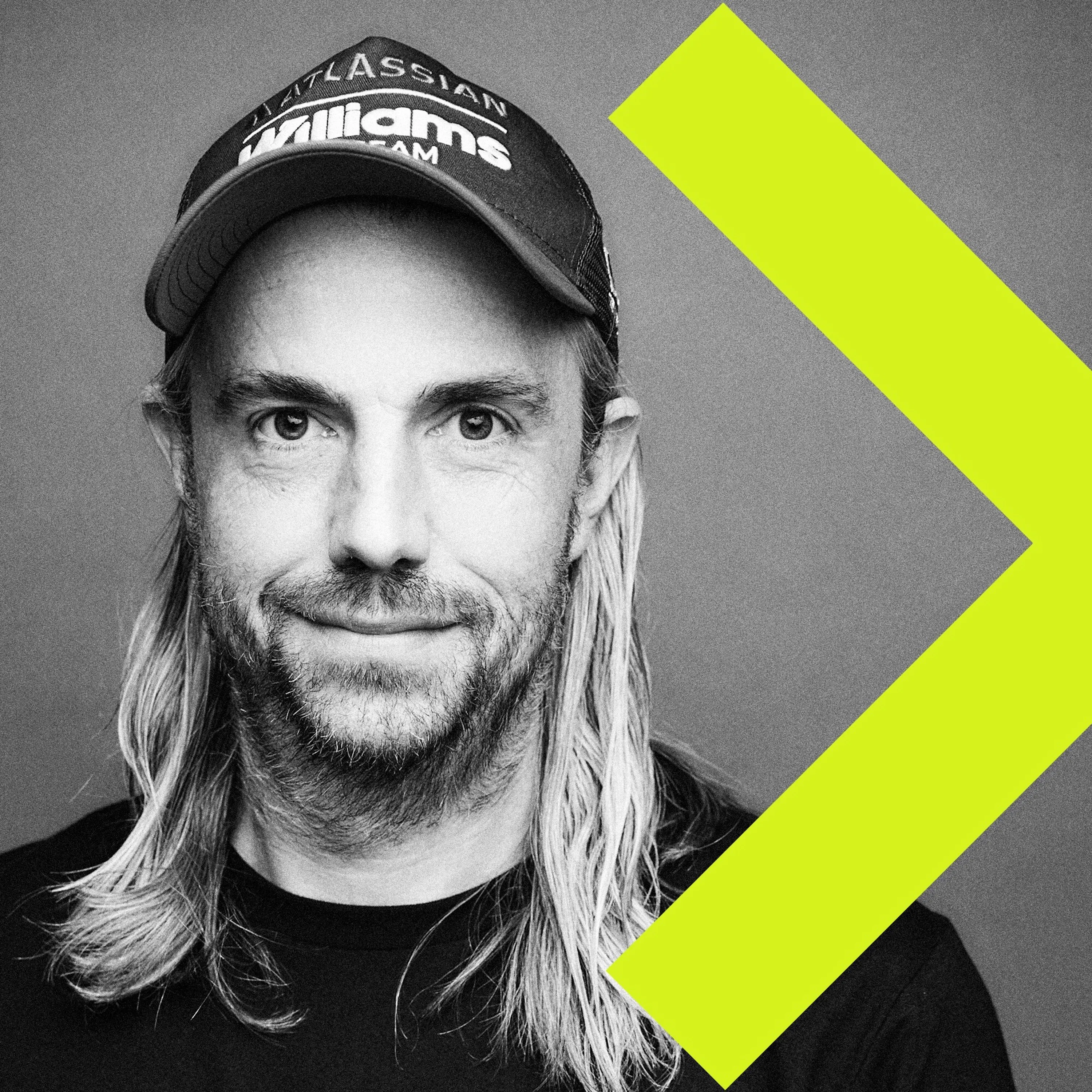
Overview of The Verge’s Decoder episode with Atlassian CEO Mike Cannon-Brookes
Nilay Patel speaks with Atlassian co-founder and CEO Mike Cannon-Brookes about how AI is changing enterprise software, why he thinks the “SaaSpocalypse” narrative is overstated, and how Atlassian is adapting its products, org structure, and design philosophy for the AI era. The conversation centers on Atlassian’s core thesis: AI will speed up and reshape work, but it won’t eliminate the need for platforms like Jira, Confluence, Trello, or the judgment of human teams.
The Big Idea: AI Changes Work, Not the Need for Work Platforms
Cannon-Brookes argues that businesses are best understood as systems of processes, and Atlassian’s products help make those processes legible and manageable at scale.
- Atlassian is not just a collection of products; it’s a shared platform for collaboration, workflow, and organizational visibility.
- AI can automate parts of a process, but it won’t replace the need to understand what’s happening across the business.
- Rather than deleting software categories, AI is likely to make them more valuable by increasing throughput, quality, and consistency.
Why the “SaaSpocalypse” won’t fully happen
He pushes back on the idea that frontier models will simply replace enterprise software by reading every database and running everything headlessly:
- Most businesses are too complex, regulated, and human-dependent to be fully automated.
- AI is good at handling repetitive, rule-based steps.
- Human judgment is still required for exceptions, ambiguity, and strategy.
Atlassian’s AI Strategy: Augment the Workflow, Don’t Replace It
Atlassian’s approach is to embed AI into existing workflows rather than force users into a separate chatbot-first experience.
- Rovo is Atlassian’s AI/chat layer for searching and working across the platform.
- AI is being used to speed up process steps, summarize information, and improve decision-making.
- Cannon-Brookes believes the best AI products will disappear into the workflow instead of demanding a new interface.
What AI does well in Atlassian’s world
- Automates routine exceptions and approvals
- Summarizes documents and context
- Helps users find the next task or most important priority
- Improves consistency across teams and tools
What AI still can’t do well
- Replace taste and judgment
- Make high-stakes tradeoffs in complex businesses
- Eliminate the need for design, product strategy, or operational clarity
Org Structure, Talent Mix, and the March Layoffs
The interview also digs into how Atlassian changed its workforce and org structure in response to AI.
- Atlassian has around 12,000–13,000 employees globally.
- The company is globally distributed and structured around both functional leadership and product collections.
- Cannon-Brookes says Atlassian runs on its own platform and uses it to manage strategy and operations.
He explains the 10% layoffs in March as a shift in skill mix, not a simple replacement of humans with AI:
- Some areas, especially AI products/services and enterprise sales, are growing quickly and need more investment.
- The company is trying to rebalance toward roles that support AI-native product development and internal transformation.
- Internal training and experimentation are part of the transition, but the bigger shift is structural.
A notable org-chart move
Atlassian combined internal IT and engineering under the chief people officer, now titled Chief People and AI Enablement Officer. Cannon-Brookes says this made sense because the company’s AI transition requires both:
- Talent changes: training, hiring, and reshaping skills
- Systems changes: infrastructure, governance, MCP servers, token management, and internal tooling
Design, Platform Thinking, and Why Interfaces Still Matter
Cannon-Brookes repeatedly returns to the idea that as building software gets cheaper, design and user experience become more important, not less.
- Atlassian invests heavily in design leadership.
- He believes interfaces must remain coherent across products.
- The company is pushing “eventual consistency” across the platform so the experience feels unified even though the products do different jobs.
His view on the future of roles
He rejects the idea that product managers, designers, and engineers will collapse into one role:
- Designers are increasingly able to ship code prototypes.
- Engineers are using AI tools to build faster and collaborate better.
- Product managers are expanding into adjacent tasks.
But he sees this as role blending, not role elimination.
Dia and Atlassian’s Browser Strategy
A major part of the discussion is Atlassian’s acquisition of The Browser Company and its browser, Dia.
Cannon-Brookes says the browser is becoming the main operating surface for knowledge workers:
- People spend most of their day in browsers, but those browsers are now hosting apps, documents, chat, and workflows—not just web pages.
- Dia is being built as a “doer,” not a passive browser.
- The goal is to use AI to understand what users are working on and help them take action across their SaaS tools.
What Dia is meant to do
- Surface the most important tasks for the day
- Understand context across apps like Slack, Google Drive, Confluence, Salesforce, and Teams
- Auto-open or close tabs based on active work
- Use local context and browsing history to make work more seamless
He positions Dia as a browser for knowledge workers, not consumers, and says AI allows it to understand meaning in a way older software could not.
How Cannon-Brookes Makes Decisions
His decision-making style is straightforward:
- He talks through issues extensively.
- He likes to gather context from different angles before deciding.
- He values clear explanations over total transparency.
Atlassian’s internal philosophy, “Open company, no bullshit,” means employees should understand decisions and why they were made, even if they don’t get every detail or like the outcome.
His framework for hard decisions
- If a decision is obvious, it shouldn’t reach his desk.
- If it reaches him, it’s usually a “51/49” call.
- Leaders should explain hard decisions clearly and directly, especially when making painful tradeoffs.
Key Takeaways
- Atlassian sees itself as a workflow platform for managing complex organizational processes.
- AI is not replacing Atlassian’s core value; it is increasing the need for better workflow, context, and coordination.
- Cannon-Brookes believes the future is about imagination asymmetry, not information asymmetry.
- Interfaces still matter, and design may matter even more in an AI-native world.
- Dia represents Atlassian’s bet that the browser will become a more intelligent work surface for knowledge workers.
- The company expects AI to reshape roles and org charts, but not collapse enterprise software into a headless model.
What to Watch Next
Atlassian is preparing a major set of announcements at its upcoming Team ’26 Europe event in Amsterdam.
Expected focus areas:
- New AI features across the product suite
- Enhancements to Loom
- Expansion of Rovo and other agentic tools
- More integration between Atlassian products and external platforms like Cursor and other AI tooling
The broader message: Atlassian is betting that enterprise software will survive the AI wave by becoming more intelligent, more connected, and more deeply designed around human work.