Overview of THE PEOPLE DO NOT YEARN FOR AUTOMATION
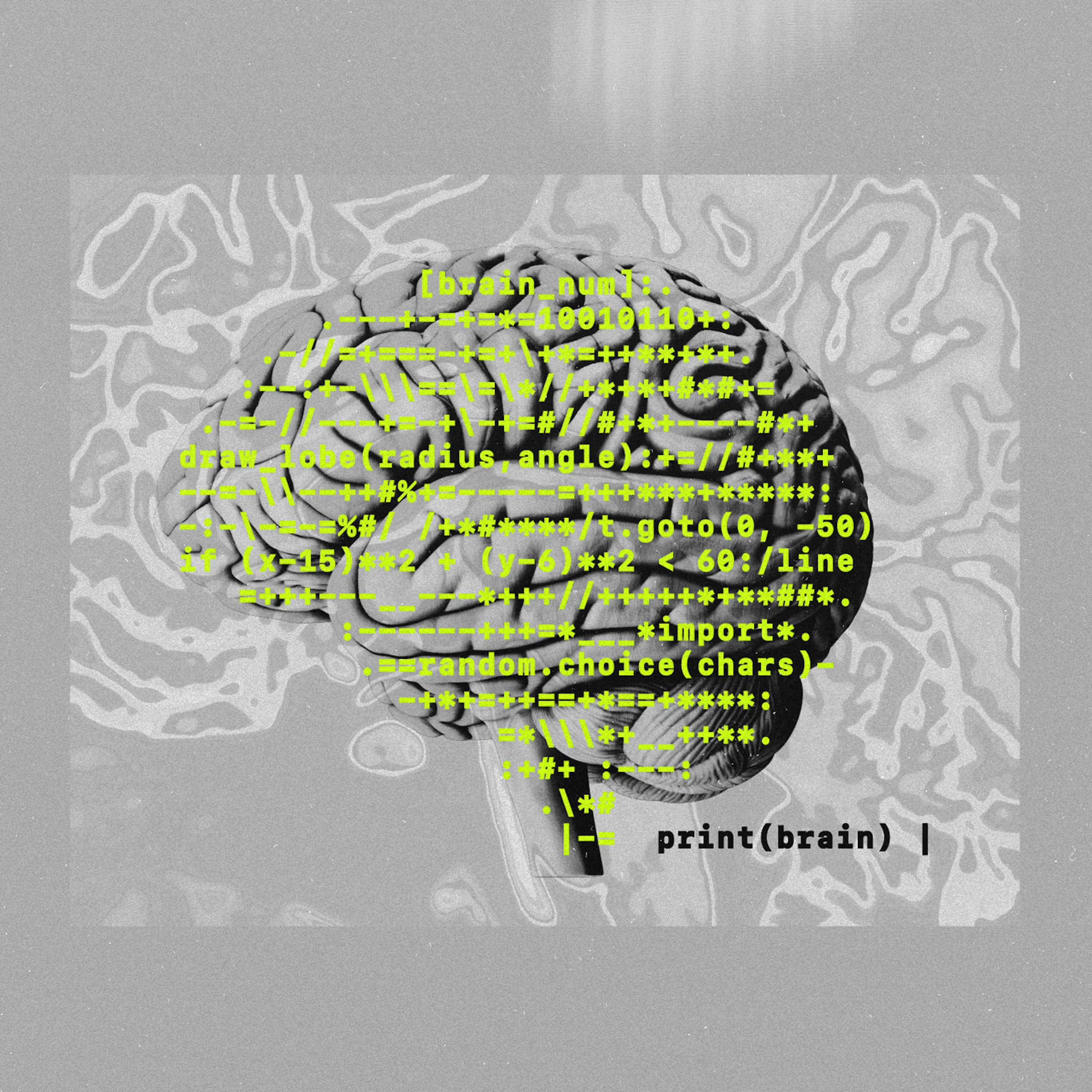
Nilay Patel (Decoder, The Verge) develops the idea of "Software Brain": the mindset that treats the world as databases controlled by structured language (code), and argues this outlook explains why tech/AI enthusiasm clashes with widespread public distrust and dislike of AI. He walks through how Software Brain shapes business and policy, its limits (especially when applied to people, law, and society), and why marketing alone won't close the gap between technologists and the general public.
What is "Software Brain"?
- Definition: Seeing the world as collections of databases you can control with structured language (software).
- Lineage: Builds on the long tech narrative (e.g., Mark Andreessen's "Software is eating the world") and has been amplified by modern AI.
- Typical thinking: If you can structure data and write rules/commands, you can control outcomes — a framework that powers many tech products (Zillow = homes database, Uber = cars & riders, YouTube = videos).
- Limit: Databases stop matching messy human reality; when that happens, the response is often to change the database rather than the real world.
Why AI is unpopular (polling, sentiment, and perception)
- Multiple polls show strong public concern and negativity about AI:
- NBC News: AI has worse favorables than several disliked institutions.
- Quinnipiac: Over half of Americans believe AI will do more harm than good; 80% are at least somewhat concerned; only ~35% excited.
- Gallup: Gen Z hopefulness about AI fell to ~18% (from ~27%); anger about AI among Gen Z rose (approx. 22% → 31%).
- Key reasons for distrust:
- People directly experience AI outputs (search results, feed content, chatbots) — so advertising can't "fix" impressions.
- Perception that AI flattens human life into data and surveillance.
- Tech elites talk openly about mass automation/job loss, amplifying fear.
- The ask that people make themselves "legible" (linking email, messages, files) to AI is intrusive and unattractive.
How Software Brain breaks down in human systems
- Law vs. code:
- Lawyers and engineers both use formal languages and precedent, but the legal system relies on ambiguity and human judgment; it is not deterministically computable.
- Attempts to make law "code-like" (e.g., fully automated arbitration) may be appealing for perceived fairness but ignore necessary ambiguity and social context.
- Government/society:
- Tech attempts to "control" social systems by seizing databases fail when those systems are more than data (people, institutions, norms).
- Human experience:
- Not everything is a repeatable loop or measurable variable; many aspects of life resist being captured in databases.
- Forcing people to adapt to software (rather than software adapting to people) is often a product design and adoption failure.
Business implications — where AI actually fits
- Enterprise fit: Businesses are already database-rich and operate on repeatable processes; AI offers clear productivity and cost gains (e.g., automating consulting slide decks, note-taking, internal workflows).
- Vendors pivot accordingly: Anthropic, OpenAI and others focus on enterprise because companies can centralize data and demand integration.
- Advertising & automation: The cutting edge of marketing is automation, not necessarily creative breakthroughs.
- Limits: Consumer-facing "human" products (smart homes, personal data integrations) face adoption friction because of privacy, complexity, and low perceived return.
Political and social consequences
- Political pushback: Local and national resistance to data center buildouts; elected officials supporting them face political risk.
- Violence and intimidation: Incidents referenced (e.g., attacks/targets on tech figures and officials) highlight extreme reactions — Nilay condemns violence and urges civic, not violent, opposition.
- Call to action: If you oppose AI, act via marketplace choices, votes, and policy — meaningful opposition requires political and regulatory engagement, not violence.
Recommendations and takeaways
- For technologists and companies:
- Stop assuming people want to become legible to software; design systems that adapt to people instead.
- Recognize the limits of automation: not all human domains benefit from being converted into databases.
- Engage in political and social responsibility: earn "social permission" (Satya Nadella's framing) and address community impacts (energy, jobs, surveillance).
- For critics and the public:
- Use civic tools: vote, regulate, and choose where you spend attention and money; these levers matter more than outrage alone.
- For policymakers:
- Build frameworks that protect people from surveillance and job displacement while channeling innovation where it helps (not where it dehumanizes).
Notable quotes and lines
- "Software brain" — the phrase Nilay uses to describe the worldview that everything is databases plus code.
- "The people do not yearn for automation." — Core thesis summing public resistance.
- Nilay calls out that "AI does not have a marketing problem" — people react to lived experience, not ads.
- Examples referenced: Mark Andreessen's "Software is Eating the World"; Bridget McCormack proposing automated arbitration; Ezra Klein on Silicon Valley "flattening" themselves into data.
Bottom line
AI amplifies the existing Software Brain impulse — to measure, automate, and control — and this is where tech and public values collide. Many business processes will be sensibly automated, but trying to make human life, law, and society obedient to code is both practically flawed and politically toxic. The remedy isn’t better ads; it’s designing tech that respects human complexity, engaging democratically about choices, and using market and political power to shape AI deployment.