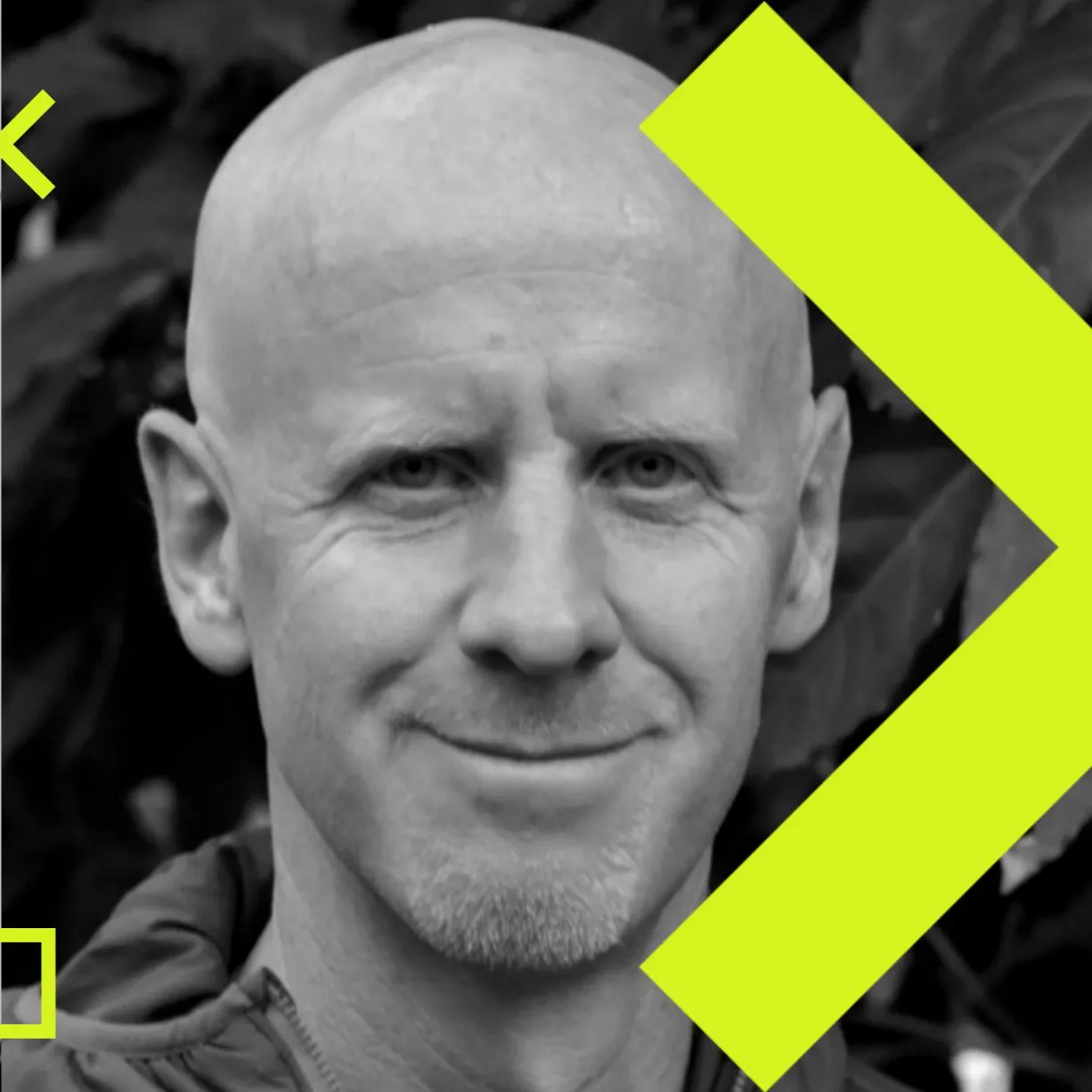
Overview of How GoFundMe became America's backup plan
This Decoder conversation with GoFundMe CEO Tim Cadogan explores how the platform became a cultural and financial safety net, especially after the pandemic. Cadogan argues that GoFundMe’s core mission is not maximizing profit but “helping people help each other,” and that its growth comes from enabling more emotional, community-driven support in moments of crisis, celebration, and everything in between.
GoFundMe’s role in modern society
- Cadogan says GoFundMe became more visibly “load-bearing” during COVID, when people used it to respond to:
- medical emergencies
- lost income
- small-business shutdowns
- community crises like wildfires and riots
- He argues the platform is fundamentally about more than money:
- it signals care and solidarity
- it helps people feel less alone
- it makes asking for help more socially acceptable
- The same pattern shows up globally, not just in the U.S.; he says GoFundMe’s emotional role is similar across countries.
The business model: for-profit, but built around help
- GoFundMe takes:
- standard payment-processing fees
- optional tips/voluntary contributions from donors
- Cadogan says the company deliberately avoids aggressive monetization or dark patterns.
- Revenue is highly variable at the individual level, but becomes predictable at scale because of the “law of large numbers.”
- He frames the company’s growth metric as more help in the world, not simply more profit.
- GoFundMe also runs GoFundMe Pro, a fundraising platform for nonprofits.
Why people use GoFundMe for healthcare
- Medical expenses are the biggest fundraising category on GoFundMe in every market it serves.
- Cadogan says this happens because:
- medical crises are emotionally overwhelming
- even countries with national health systems still leave gaps
- health problems create extra costs beyond treatment itself
- He emphasizes that GoFundMe often fills the gap between formal systems and human care.
- He rejects the idea that the platform is trying to replace government or healthcare systems, but acknowledges it often supplements their failures.
Values, growth, and what GoFundMe refuses to do
- Cadogan repeatedly emphasizes that GoFundMe’s values shape what the company will and won’t do.
- The company does not:
- sell ads
- sell user data
- lobby against policies that would reduce need if those policies help people
- It also maintains limits on what can be fundraised for:
- drugs
- guns
- certain legal defense funds, including those related to violent or financial crimes
- On controversial conflict-related fundraisers, he says decisions are driven by legal/regulatory compliance and payment-processor requirements, not a desire to suppress help.
Trust, safety, and payment infrastructure
- GoFundMe works with third-party processors like:
- Adyen
- Stripe
- PayPal Giving Fund
- The company never directly touches the money for personal fundraisers.
- Cadogan describes this as an important safeguard:
- validate fundraiser legitimacy
- assess donation risk
- verify the beneficiary before funds are released
- He says the trust-and-safety system is a core part of making the platform usable and secure.
The AI coach and the future of fundraising
- GoFundMe is leaning into an AI-powered Smart Fundraising Coach.
- The coach helps people:
- write their fundraiser story
- generate titles
- set goals
- manage outreach
- build a day-by-day fundraising plan
- Cadogan says the goal is not to replace the fundraiser’s voice, but to help them tell their own story more clearly.
- The company believes the coach will make fundraisers more successful and reduce stress for users.
- He says the biggest gains come from helping people do the hard early work of asking for help.
Nonprofit pages controversy and lessons learned
- The company previously created nonprofit pages without those organizations explicitly signing up, which drew backlash and legal scrutiny.
- Cadogan says the intent was to make it easier for donors to find charities, but GoFundMe moved too quickly.
- He says the company acknowledged the mistake and changed its approach.
- The episode serves as an example of GoFundMe’s tension between:
- scaling access to help
- respecting control and consent
Key takeaways
- GoFundMe is best understood as a community support platform, not just a payments company.
- Its business succeeds when more people are willing to ask for help and more people are willing to give it.
- Cadogan’s framework is consistent:
- frame the decision clearly
- ask whether it generates more help
- protect the platform with practical guardrails
- The company sees its future in making fundraising easier, more personal, and less stressful, especially through AI-assisted creation and outreach.