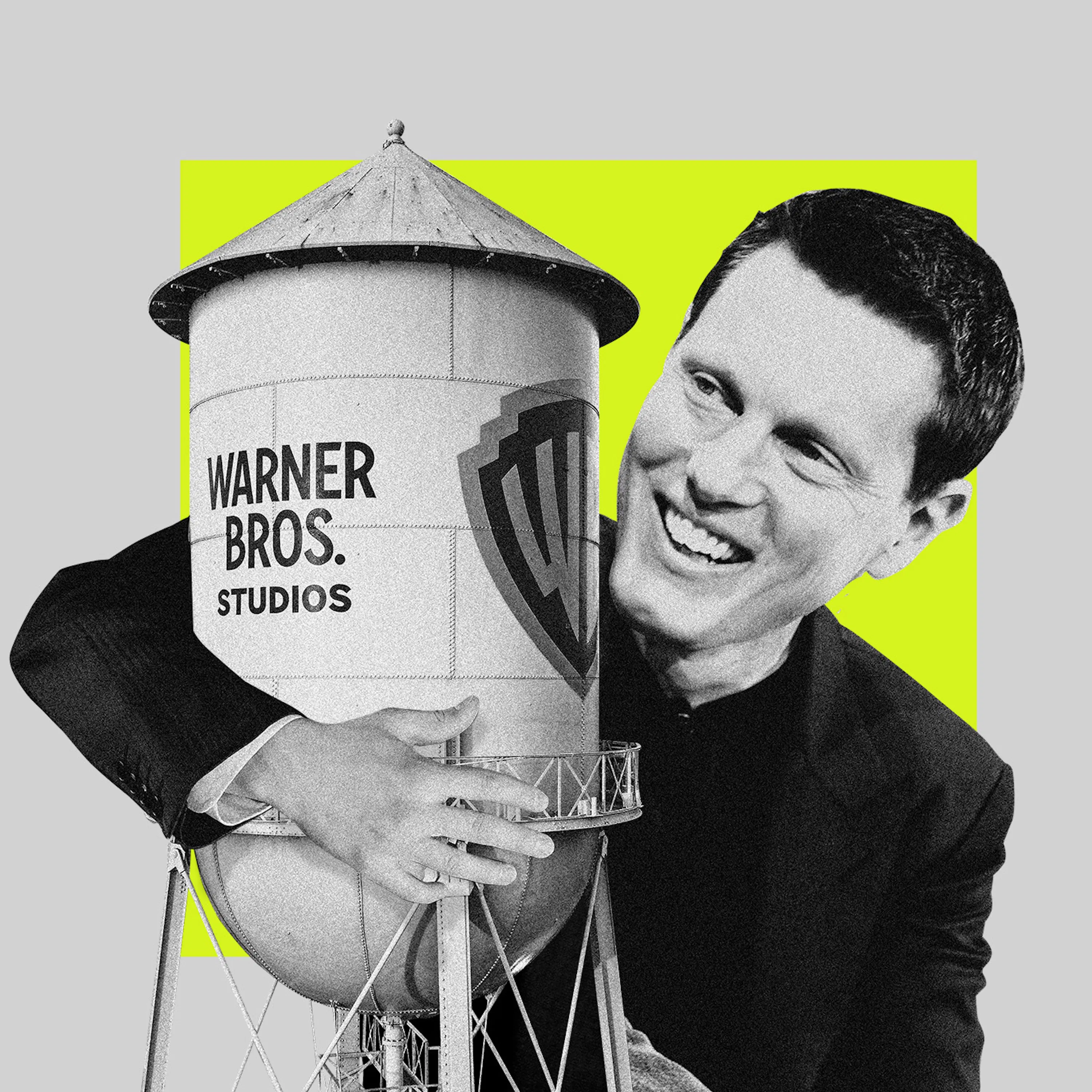
Overview of Decoder — Paramount's $110 billion Warner Bros. gamble
Nilay Patel (The Verge) interviews Rich Greenfield (LightShed Partners) about Paramount (David Ellison) agreeing to buy Warner Bros. Discovery in a deal that could reshape media — if it closes. The conversation tests the core paradox: Warner’s been a “kiss of death” for past acquirers (AOL, AT&T, Discovery), yet bidders keep coming. The Ellisons leaned on large amounts of debt and a personal guarantee from Larry Ellison to outbid Netflix; the strategy rests on squeezing value from content, platform technology (moving to Oracle Cloud) and AI-driven efficiencies — all while navigating secular decline in linear TV, rising competition from free/cheap distribution (YouTube, TikTok), and heavy regulatory/operational risk.
Key points and main takeaways
- Paramount offered to buy Warner at ~$31/share, outbidding Netflix; Netflix walked away. The price implied heavy leverage and risk for a much smaller Paramount.
- Most financing is debt; Larry Ellison personally guaranteed equity and committed to backstop the debt if lenders balk. Syndication and sovereign wealth fund participation are likely but uncertain.
- The Ellison thesis: accelerate scale by combining studios and assets rather than building a streaming flywheel slowly (the “buy vs. build” gamble).
- The plan bundles three sequential plays: (1) make a lot more content (potentially cheaper with AI), (2) build a superior unified distribution platform (migrate to Oracle Cloud), and (3) spend heavily on marketing to drive daily engagement.
- Major risks: extreme leverage (7x debt/EBITDA cited), secular decline of linear networks, unproven Oracle Cloud migration at streaming scale, AI uncertainty (may lower costs but could empower vast amounts of competitive user-generated content), and the hard-to-solve problem of changing daily consumer habits.
- Regulatory closure is likely but timelines are uncertain; state-level cases and international regulators could delay closing into Q4 2026 or Q1 2027.
Deal structure and financing
- Paramount is much smaller by market cap than the target; the transaction is largely debt-funded.
- Larry Ellison guaranteed all equity and pledged to inject cash if lenders refuse debt — this guarantee was decisive in beating Netflix.
- syndicated outside capital (Middle Eastern sovereign funds, other investors) is expected but details (governance, influence) are unclear.
- Public market share price trading below the deal price complicates syndication and investor appetite.
Strategic thesis, execution plan and where it could fail
The strategy in three parts
-
Make more (and cheaper) content
- Rationale: more hits and more volume will reduce churn and increase daily engagement. AI could reduce production costs and accelerate output.
- Risk: AI's ability to create original, hit-quality content is unproven; AI also improves the quality of user-generated content, increasing competitive supply.
-
Build a better distribution/platform
- Rationale: unify Warner + Paramount into a single super-app with improved recommendations and product features to drive time spent.
- Risk: streaming product and recommendation tech must beat entrenched winners (Netflix/YouTube). Oracle Cloud will be tested — few or no major streamers currently run on Oracle for large live/streaming workloads.
-
Market to acquire and retain users
- Rationale: big marketing push to shift habits and get people to open a new daily app.
- Risk: extremely expensive customer acquisition and retention; many users rely on channel stores (Amazon/Roku) that currently handle marketing/distribution — leaving them is costly and risky.
Structural advantages and liabilities
- Linear networks (CNN, regional networks) provide cash flow needed to support heavy leverage in the near term; but they are secularly declining and expensive to integrate.
- CNN and other legacy news assets also bring political/cultural complexity and likely substantial consolidation/layoffs.
- Historical precedent: acquiring Warner has often saddled buyers with debt and decline rather than creating sustainable growth.
AI, Oracle and platform questions
- AI: uncertain upside — could cut production costs but could also flood the market with higher-quality user-generated content that competes with studio output.
- Oracle Cloud migration: promised cost and performance improvements (claims of faster/cheaper than Google/AWS). This is unproven at the scale of combined Paramount + Warner streaming + live sports/news workloads.
- There is strategic overlap between Oracle’s ambitions (AI + cloud) and the Ellison media bet, but transferring value from an AI/hyperscaler narrative (Oracle) into media is a risky shift.
Regulatory and tactical next steps
- Antitrust/merger risk: Nilay and Rich expect the deal will ultimately close (no obvious monopoly issue), but state attorneys general, California, and international regulators could extract concessions or slow it down.
- Timing: Paramount hoped for a quick close; market pricing suggests investors expect delays (Q4 2026 or Q1 2027 possible).
- Operational moves to expect soon after closing: major cost cuts (especially at CNN/linear operations), lot and studio rationalizations, and aggressive attempts to ramp content output.
- The role and identity of outside equity investors (and any soft influence they might exert) will be watched by regulators and the public.
Notable quotes / soundbites
- Host Nilay Patel’s core thesis: “If you buy Warner, you kill yourself.”
- Rich Greenfield: “This is all about time spent.” (Daily engagement is the key metric.)
- On the Ellison bet: “They believed this is an accelerant … they were not willing to be patient.”
What to watch next (actionable indicators)
- Regulatory filings and any state-led lawsuits (California’s priorities around jobs and unions).
- Who makes up the syndicated investor base and what governance or veto rights they have.
- Oracle Cloud migration progress and service performance at streaming / live-event scale.
- Paramount/Warner content output targets and whether they materially increase production (shots on goal).
- Subscriber and daily active usage trends for the combined service; churn metrics.
- Layoffs and consolidation plans (particularly at CNN and overlapping corporate functions).
- Marketing strategy: whether Ellison pulls off channel stores (Amazon, Roku) or continues to rely on them.
Bottom line
The Ellisons bought Warner to shortcut scale: more IP + a unified platform + presumed tech/AI efficiencies. That logic can succeed only if they (a) materially increase hit production, (b) build a platform that changes daily consumer habits, and (c) execute a risky and unproven Oracle Cloud migration — all while servicing heavy debt. History, economics and shifting distribution economics make this a high-stakes, high-risk bet; the deal could either create a new top-tier media player or saddle Paramount with debt and structural decline.