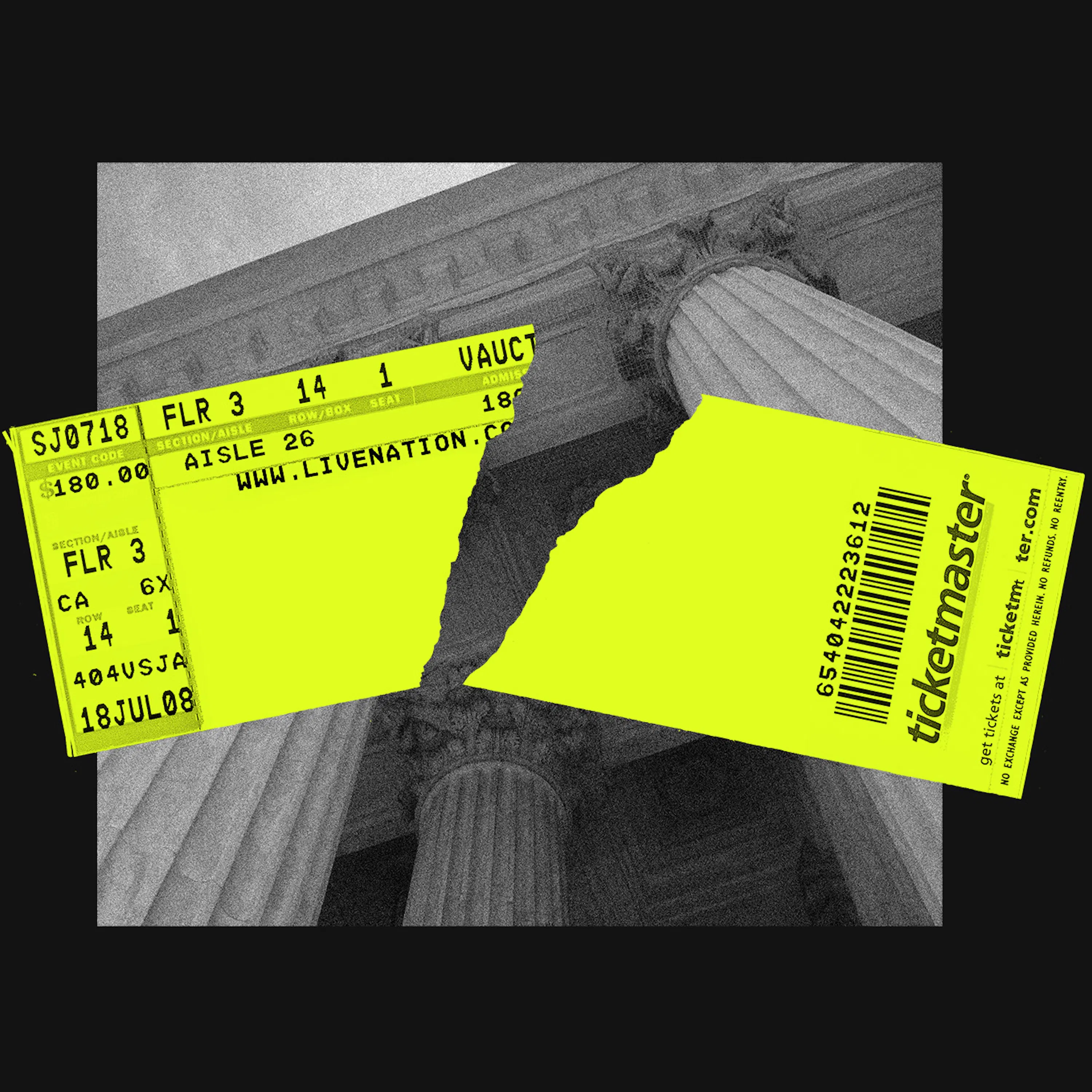
Overview of Decoder — "Everyone hates Ticketmaster. Why'd Trump go easy on them?"
This episode (hosted by Neil A. Patel) analyzes the Live Nation / Ticketmaster antitrust trial, the surprising decision by the Trump Department of Justice to settle its portion of the case early, and why several state attorneys general are continuing to trial. Neil talks with The Verge senior policy reporter Lauren Feiner — who’s been covering the courtroom — about the government’s claims, notable evidence from trial, the terms and politics of the DOJ settlement, and what this all means for the future of U.S. antitrust enforcement.
Key points and main takeaways
- The DOJ’s case alleged Live Nation uses its combined businesses (promotions, ticketing/Ticketmaster, and venue operations) to lock up venues and artists, blocking rivals and harming competition — classic tying and exclusionary conduct allegations.
- Evidence presented by plaintiffs included venue exec testimony and industry witness statements (e.g., SeatGeek CEO said rivals had to offer “retaliation insurance” to venues because Live Nation could yank shows).
- A pivotal piece of trial evidence was an audio recording of a heated call between Live Nation CEO Michael Rapino and Barclays Center executive John Abbamondi, used by plaintiffs to show threats/tactical leverage.
- One week into the Live Nation trial the Trump DOJ abruptly settled its part of the case, extracting limited concessions (greater transparency to artists, some caps on fees, limited access for rivals to Ticketmaster systems, and divestiture of certain exclusive booking contracts — not full amphitheater sales).
- Reporting indicates President Trump personally pressed for a quick settlement; around the same time, DOJ Antitrust Division chief Gail Slater departed amid broader internal controversies over backroom dealmaking, which fueled industry bafflement and ethics questions about the settlement.
- A coalition of state attorneys general (including New York, California, Texas, Tennessee and many others) refused to settle and are continuing to trial. They’ve retained high-profile trial counsel (Jeffrey Kessler) and aim for stronger remedies — potentially a breakup — if they win.
- The DOJ settlement must pass judicial review under the Tunney Act (a judge must find it in the public interest), so the fight is not fully over even for the federal component.
- Broader implication: the settlement signals a different, more conciliatory antitrust posture under the current DOJ — more willing to settle and less willing to push novel enforcement strategies — which could affect high-profile tech cases (Apple, Amazon) and the momentum of earlier bipartisan/populist antitrust efforts.
Evidence and courtroom highlights
- SeatGeek testimony: rivals faced real threats from Live Nation; they had to offer guarantees to venues worried about losing shows if they left Ticketmaster.
- Live Nation–Barclays call (audio): Rapino angrily disputes a venue’s contention that a COVID-related clause didn’t extend Ticketmaster’s contract; the venue exec testified he took the call as a threat about losing shows, which plaintiffs argued is tying/exclusionary leverage.
- Plaintiffs emphasized long exclusive venue contracts and conditional deals as mechanisms blocking competition.
- Live Nation argued some evidence (like the heated call) is just tough negotiation and not proof of illegal monopolization.
The DOJ settlement: what it did (and didn’t) do
- Concessions reportedly included:
- Greater transparency to artists about ticket sales.
- Some fee caps or limits on certain charges.
- Limited requirements to allow rivals access to parts of Ticketmaster’s back-end systems.
- Requirement to divest or make available certain exclusive amphitheater booking contracts (but not sell the amphitheaters themselves).
- Industry reaction: many insiders called the settlement underwhelming or puzzling — some provisions were marginal improvements, others could be minimally useful or even unwanted.
- Political controversy: reporting suggests personal lobbying to the White House and pressure from Trump and industry figures; Slater’s departure and earlier alleged backroom deals (e.g., HPE–Juniper) add to suspicions.
States’ case and remedies they seek
- More than two dozen states are continuing the lawsuit; the remaining coalition is bipartisan.
- Lead trial counsel for the states is Jeffrey Kessler (experienced antitrust litigator).
- The states are trying to achieve more fulsome relief than the DOJ did — including potential breakup or stronger structural remedies (divestitures, limits on exclusive contracting, long-term behavioral restrictions).
- Outcome possibilities if states win range from stricter contract restrictions and forced divestitures to (less likely but still on the table) a breakup of Live Nation/Ticketmaster.
Broader implications for antitrust enforcement
- Federal posture shift: The current DOJ appears more willing to negotiate settlements and less willing to push novel antitrust theories to trial compared with the prior administration’s leadership (e.g., Lina Khan / Jonathan Kanter approach).
- States as a backstop: State AGs have historically filled gaps in federal enforcement and are increasingly active, but they typically have fewer resources (experts, outside counsel budgets) than the DOJ, making long trials more challenging.
- Tech cases at risk: Pending high-profile federal cases against Big Tech (Apple App Store, Amazon) may see different treatment if the DOJ maintains a conciliatory posture — states could have to pick up the slack where political will or direction at the DOJ weakens.
- The conservative/populist antitrust coalition that briefly aligned across party lines is less visible now; antitrust politics are in flux and may re-emerge later depending on political cycles.
Notable quotes & concise insights
- Lauren Feiner: "It's not illegal to just be a big company and have a lot of power. What is illegal is if you have a dominant share of the market and you use that power in a way that's anti-competitive."
- The Rapino–Barclays call is emblematic: supporters see it as evidence of leverage/tying; defenders call it tough negotiation.
What to watch next
- Completion of the states’ case and Live Nation’s defense in the ongoing trial; closings and jury deliberation.
- Tunney Act judicial review of the DOJ settlement (judge decides if settlement is in the public interest).
- Which states remain active through final judgment and whether any settle after the DOJ deal.
- Potential ripple effects on pending and future antitrust cases against large tech platforms — will federal enforcement maintain a more conciliatory approach, and can states or private plaintiffs fill the enforcement gap?
- Any further reporting or disclosures about internal DOJ decision-making (Slater’s departure, alleged backroom deals).
Bottom line
The episode frames the Live Nation trial as both a classic antitrust fight over tying/exclusionary conduct in live events and as a test case for how antitrust enforcement will be handled under the current administration. The DOJ’s quick settlement — amid reports of presidential intervention and internal DOJ turmoil — left many industry observers dissatisfied, but state attorneys general are pressing forward seeking stronger remedies. The case's outcome will matter for the concert industry and may presage how aggressively the U.S. pursues large-company antitrust cases going forward.