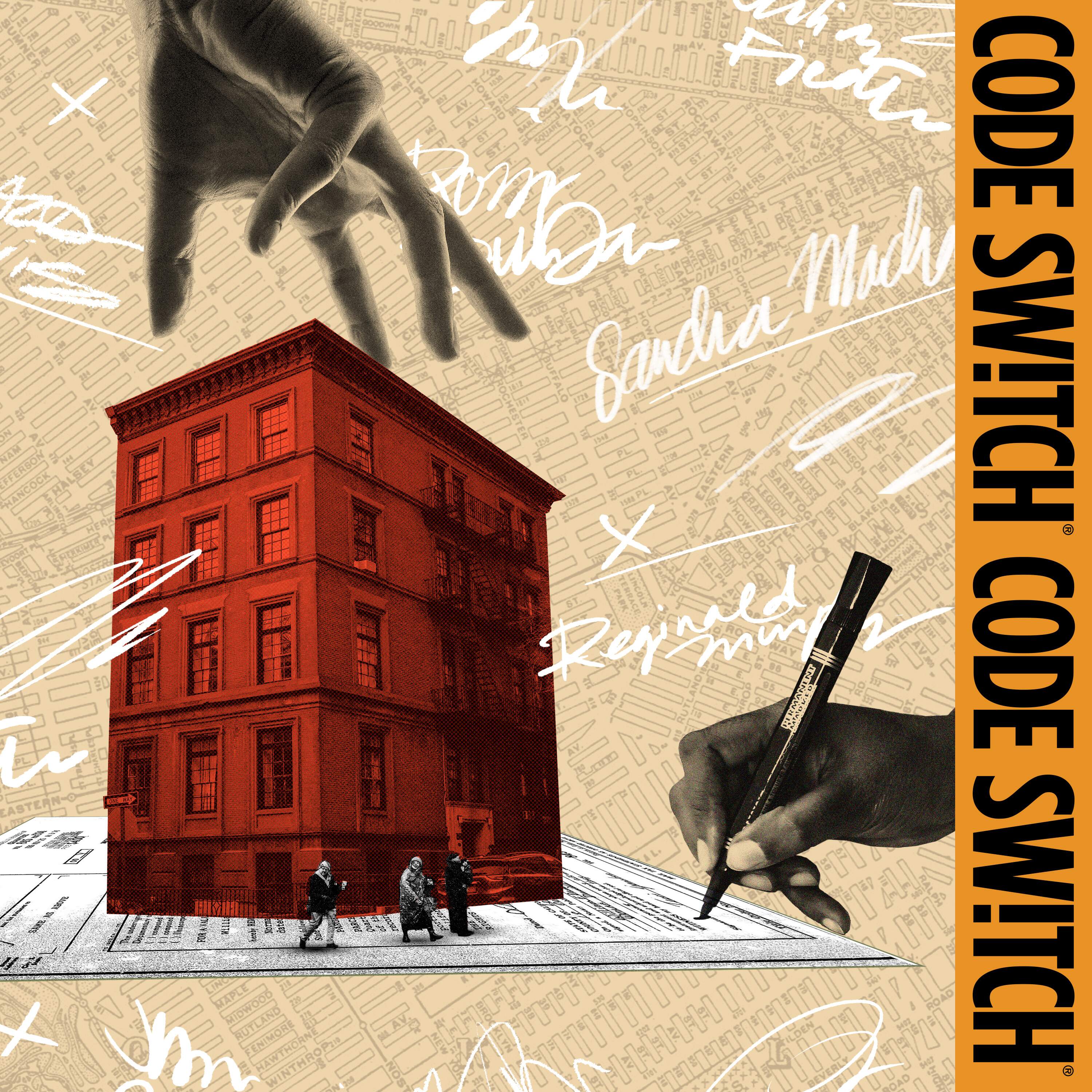
Overview of Code Switch: With “deed theft” scammers are targeting Black homeowners
This NPR Code Switch episode examines deed theft—a scam in which fraudsters trick homeowners into unknowingly signing away ownership of their homes—and why it is hitting Black homeowners in historically disinvested neighborhoods especially hard. The conversation centers on Brooklyn neighborhoods like Bed-Stuy, Crown Heights, and Brownsville, where rising property values, gentrification, and long-standing inequities have created a lucrative target for scammers, flippers, and predatory investors.
What deed theft is
Deed theft is a form of real-estate fraud where scammers:
- approach homeowners directly, often seniors or immigrants
- pose as helpers, lenders, or people offering mortgage relief
- slip ownership-transfer language into paperwork
- forge signatures or exploit unclear family ownership
- record fraudulent documents that make the transfer look legitimate
Once paperwork is filed, the scam can become extremely difficult to undo in court.
Why Black homeowners are being targeted
The episode explains that deed theft is not random—it follows the same patterns as historic housing discrimination:
- Redlining and disinvestment once restricted where Black families could buy homes
- those neighborhoods are now highly desirable due to gentrification and rising values
- longtime Black homeowners are often older, cash-poor, or dealing with inheritance issues
- families may lack wills or clear estate plans, making properties easier to exploit
In other words, the same neighborhoods that were once denied investment are now being mined for profit.
Key examples from the episode
Bed-Stuy and Crown Heights, Brooklyn
Reporter David Brand explains that these neighborhoods have become major targets because they contain:
- valuable brownstones and row houses
- longtime Black homeowners
- older residents and families with complicated property histories
- high home values that make stolen property extremely profitable
Michael Baker’s story
A Brooklyn homeowner, Michael Baker, describes how he lost his family home after being told signing papers would help with financing and back taxes. Instead:
- the deed was transferred away
- the property was flipped multiple times
- he ended up in a years-long legal fight
- he was eventually evicted and says he was left homeless
His case shows how deed theft can create a chain of ownership that is difficult to unravel once lawyers, lenders, and new buyers are involved.
Why enforcement is so difficult
The episode emphasizes that victims often face an uphill battle because:
- the scam is papered over with official-looking legal documents
- courts may treat signed paperwork as valid unless fraud can be clearly proven
- victims must prove they were deceived, often years later
- scammers can hide behind LLCs, lenders, and multiple property transfers
- enforcement agencies often lack the capacity to keep pace
Even when the theft seems obvious, the legal burden on the homeowner can be enormous.
Scale of the problem
Officials and reporters interviewed in the episode say deed theft complaints have risen sharply:
- complaints to the New York Attorney General reportedly increased dramatically over recent years
- there have been thousands of complaints citywide
- many more cases likely go unreported because victims don’t realize they’ve been scammed
The episode notes that the problem is especially visible in New York City, but is likely happening in other places where home values are rising.
Who is behind the scams
The story suggests deed theft is usually carried out by:
- small groups of investors or scammers
- people familiar with local property law and housing records
- actors who know how to identify homeowners in distress
- networks that may not be giant corporations, but are still highly sophisticated
Their goal is simple: acquire homes for far below market value and profit when the property is sold or flipped.
What could help prevent deed theft
Housing experts in the episode recommend a mix of legal planning and community support:
- create a will or estate plan
- use transfer-on-death deeds where available
- keep copies of property deeds and records
- add clear names to titles where appropriate to create a paper trail
- seek free or low-cost legal help before financial trouble turns into a scam opportunity
- attend community workshops on warning signs of deed theft
The episode stresses that prevention is easier than trying to recover a home after the theft has already been recorded.
Broader takeaway
The episode frames deed theft as more than a scam—it is a housing justice issue and a continuation of racialized displacement. It combines:
- the legacy of redlining
- modern gentrification
- predatory real estate practices
- weak enforcement
The result is deeply personal and devastating: families lose homes their parents and grandparents worked decades to buy, often in neighborhoods that were once denied to them in the first place.
Notable insight
A central point from the episode: “This is your home. This is what you worked for. This is what your family worked for.” That emotional reality is what makes deed theft feel especially violating—it is not just financial loss, but the theft of generational stability and legacy.