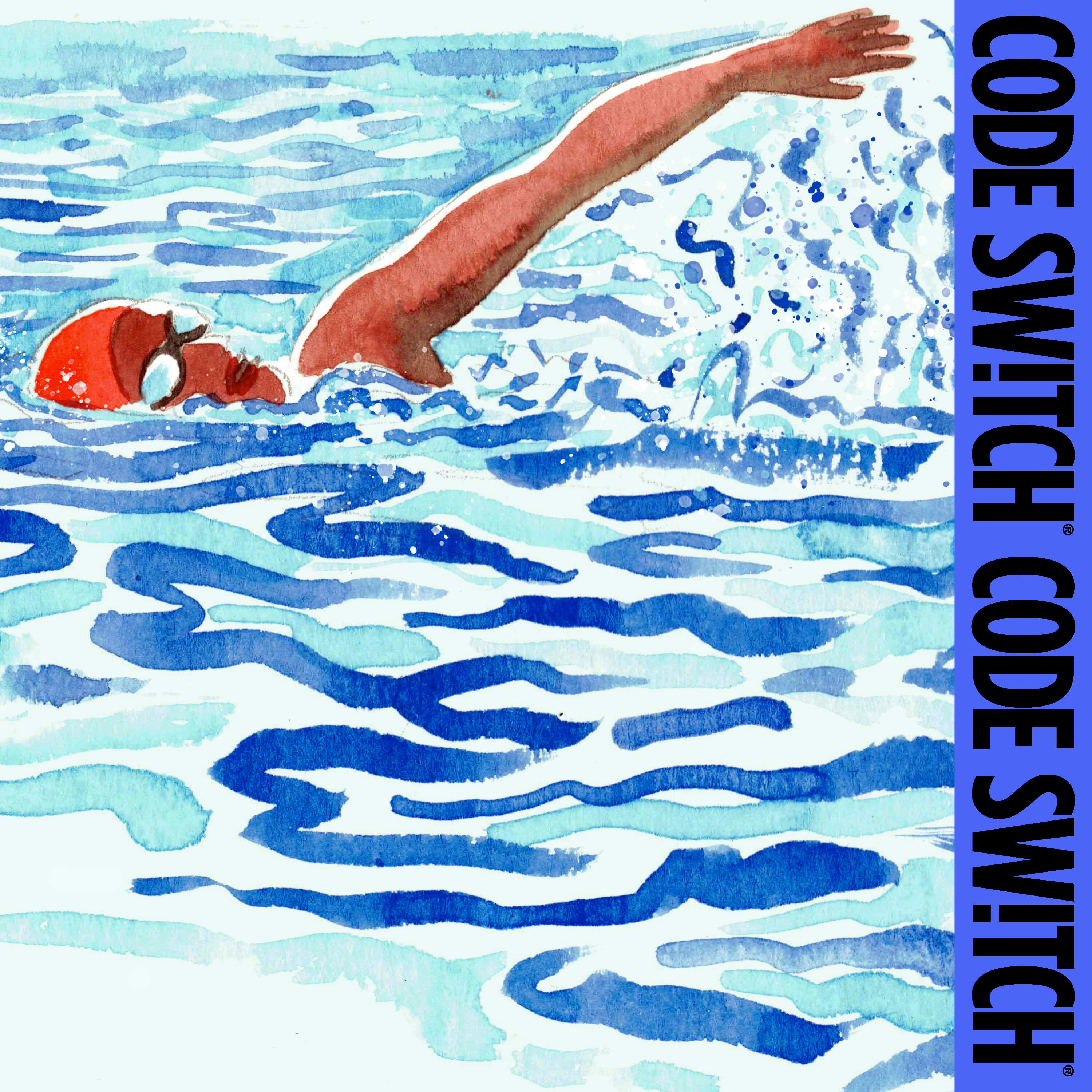
Overview of Why so many Americans never learned to swim
This NPR Code Switch episode follows reporter-producer Jasmine Romero as she takes her first swim lessons in her mid-30s while pregnant, confronting a lifelong fear of water that runs through her family. The episode uses her story to explore why swimming ability in the U.S. is so unevenly distributed by race and class—and how that gap is tied to segregation, exclusion, and a long history of unequal access to safe places to swim.
Jasmine Romero’s Personal Story
Jasmine grew up in South Central Los Angeles in a family where swimming was not a normal part of life:
- Her mother was deeply afraid of water and passed that fear down.
- Her childhood had few opportunities for pool access.
- Learning to swim as an adult felt embarrassing, exhausting, and emotionally intense.
- She described swimming as both physically humbling and mentally calming, almost like a form of therapy.
Her motivation became even stronger once she learned she was expecting a child:
- She didn’t want her fear to keep her from sharing pool and beach experiences with her kid.
- She wanted to model courage and learning for her child.
- She also feared being left out if her husband and child became confident swimmers.
Why Swimming Became a Racial and Class Divide
The episode explains that not knowing how to swim is not just a personal issue—it has deep structural roots.
Historical evolution of pools in America
Historian Jeff Wiltse explains that public pools originally emerged in the late 19th century as bathing facilities for poor and working-class urban residents, especially in neighborhoods without indoor plumbing or bathing access. Over time, they shifted into recreational swimming pools designed for leisure and fitness.
Segregation and exclusion
As pools became more recreational in the 20th century, they also became more segregated:
- In the North, white officials and swimmers increasingly resisted Black access.
- Pools were placed in ways that discouraged Black families from using them.
- Black teens were sometimes met with direct violence when trying to enter pools.
- In the South, pools were legally segregated.
- As integration increased, many white swimmers abandoned public pools in favor of private club pools and backyard pools, which remained racially exclusive.
Long-term consequences
The result was a widening gap:
- Communities of color were more likely to be shut out of supervised pools and swim lessons.
- Many Black and Latino children had to rely on lakes, rivers, or the ocean—far riskier places to learn or cool off.
- That exclusion contributed to higher drowning rates and to fear of water being passed down as a rational family response.
Key Statistics and Takeaways
The episode highlights major disparities in swimming access and skill:
- 8 in 10 children in low-income households have few or no swimming skills.
- 64% of Black children have few or no swimming skills.
- 45% of Latino children have few or no swimming skills.
- 40% of white children have few or no swimming skills.
Main takeaways:
- Swimming ability in America is shaped by history, not just individual choice.
- Fear of water can be inherited through lived experience, family memory, and real danger.
- Access to swimming lessons often reflects class mobility and the ability to buy safety.
- Learning to swim can also become a generational break from past exclusion.
Ending and Emotional Payoff
The episode closes on a hopeful note:
- Jasmine’s mother, Ana, reveals she saw drowning firsthand as a child and has never felt comfortable in water.
- Ana is proud of Jasmine for learning to swim and sees it as something she always wanted for her children.
- Jasmine later gives birth to a healthy baby girl.
- The episode ends with the possibility of a new family legacy: multiple generations learning to swim together, rather than fear being passed down.
Bottom Line
This episode shows that not learning to swim is often less about personal failure and more about history, access, and inherited fear. Jasmine’s journey becomes a larger story about how race, class, and generations of exclusion shaped who gets to feel at home in the water—and who doesn’t.