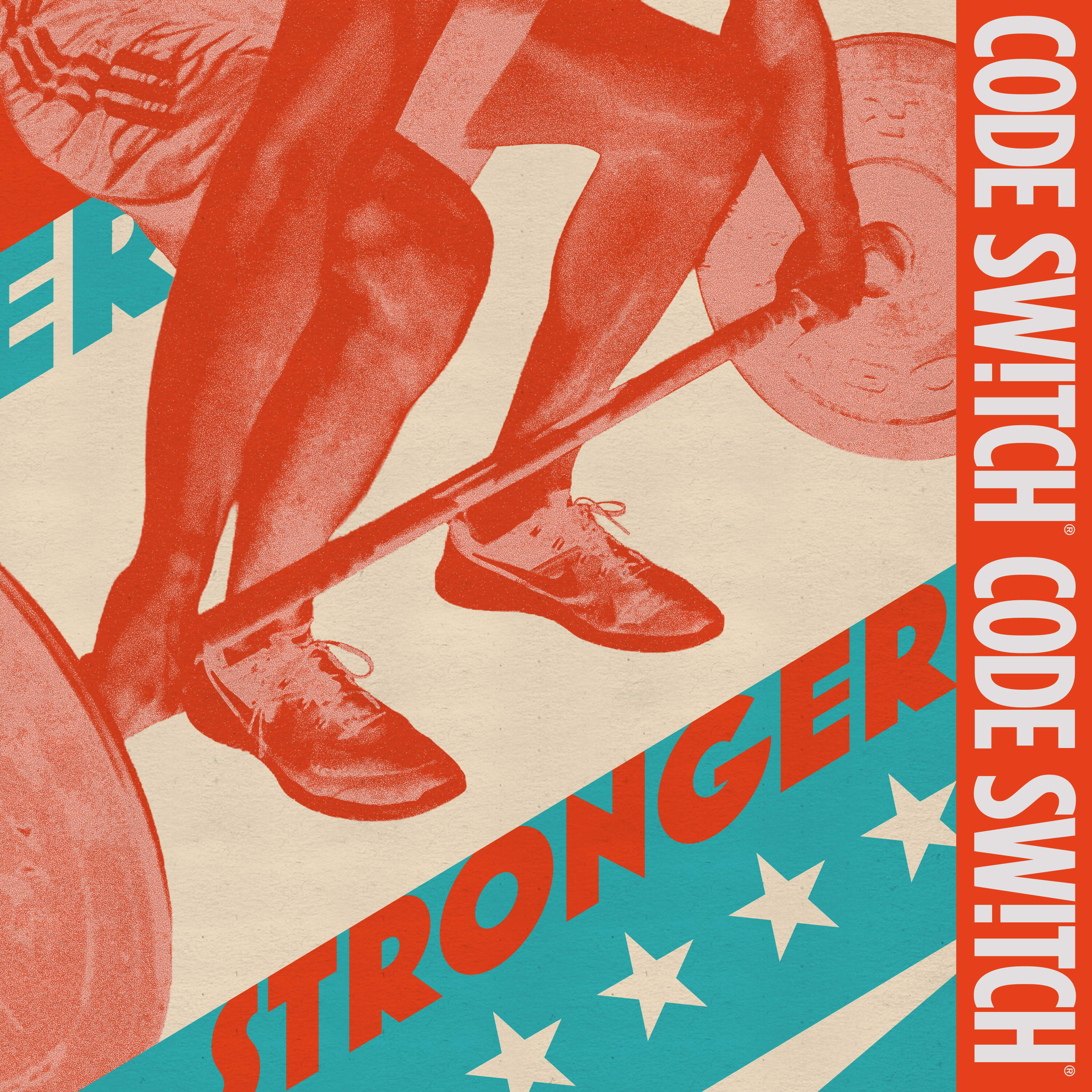
Overview of Why fascists love “fitness” (Code Switch, NPR)
This episode explores how “fitness” became more than a health habit: it became a moral, political, and even ideological test of worth. Through conversations with streamer and political commentator Hassan Piker, historian Ava Perkis, and historian Natalia Melman Petruzzella, the episode traces how exercise has been tied to citizenship, nationalism, race, class, masculinity, and eugenics—and why modern gym culture can sometimes act as a gateway to right-wing politics, even if working out itself is not inherently fascist.
Key Takeaways
-
Fitness is culturally loaded, not neutral.
The episode argues that “fitness” has long been used to signal who is disciplined, respectable, productive, and “fit” for citizenship. -
The meaning of fitness shifted over time.
In the 19th century, “fit” often meant morally upright or virtuous. After World War I, it increasingly came to mean physical health, stamina, and readiness for military service. -
States and institutions helped shape fitness culture.
Governments, military leaders, schools, and New Deal-era programs promoted exercise as a way to build stronger citizens and soldiers. -
Fitness has often carried racial and class biases.
The episode shows how fitness was used to separate the “worthy” from the “unworthy,” often reinforcing racist, classist, ableist, and eugenic ideas. -
Modern gym culture can overlap with extremism.
While not all fitness spaces are political, some online and in-person fitness communities have been linked to right-wing ideology, transphobia, fatphobia, and white nationalism.
How Fitness Became Political
Fitness as morality, then physicality
Historian Ava Perkis explains that before the 20th century, being “fit” often referred to character, not body size or muscle. Over time, especially after World War I, fitness became associated with:
- physical strength
- disease resistance
- military readiness
- intentional exercise outside of labor
This distinction mattered: being strong from farm or factory work did not count the same as working out by choice.
Nationalism and “good citizenship”
The episode shows how fitness became tied to national projects:
- World War I and World War II: fitness was linked to military service and national defense.
- Civilian Conservation Corps ads in the 1930s presented muscular, shirtless young men as ideal citizens.
- JFK’s “The Soft American” reflected anxieties that physical softness meant moral and civic weakness.
The underlying idea: a healthy body = a more worthy citizen.
Race, Eugenics, and Black Fitness
Fitness as a gatekeeping tool
The episode emphasizes that fitness was never just about health. It was also used to decide:
- who was “fit” to reproduce
- who deserved rights and belonging
- who was too weak, lazy, or defective to count as a proper citizen
This logic was deeply entangled with eugenics.
Black communities and fitness
Perkis notes that Black reformers and intellectuals sometimes promoted exercise as racial uplift and survival strategy, especially given high rates of tuberculosis and pneumonia. But this also created tension:
- exercise could be a health intervention
- it could also become a class-based morality test
- it sometimes echoed respectability politics, telling poorer Black people to “be more like” middle-class Black people
The episode also recalls racist myths from slavery onward, especially the false idea that Black people were lazy despite intense labor.
Hassan Piker and the “Swoletariat”
Hassan Piker serves as a case study in modern fitness-politics overlap:
- He’s a left-wing influencer with a large audience of young men.
- His physique has become part of his public image.
- He jokes that being shirtless in a Republican attack ad was free publicity.
The episode discusses the “swoletariat” idea: leftist gym-goers trying to reclaim fitness spaces from fascist or reactionary subcultures.
“Body Fascism” vs. Actual Fascism
Natalia Melman Petruzzella introduces a useful distinction:
- Big F fascism: the state using fitness to control populations and define citizenship.
- Small f / body fascism: fitness culture’s pressure to pursue impossible body ideals and to treat certain bodies as superior.
Her point is that fitness culture can become authoritarian even without an overtly fascist state.
Main Argument of the Episode
The episode does not say that working out is fascist. Instead, it argues:
- fitness has historically been used to rank people morally and politically
- gym culture can easily absorb those older ideas
- the language of discipline, merit, strength, and self-improvement can slide into exclusion and dehumanization
In short: fitness is often treated as personal, but it has always been political.
Final Reflection
The episode closes on an uneasy but important question: if fitness is such an abstract and moving target, and if its history is so entangled with oppression, what exactly are people chasing when they chase “fitness”? The show suggests that it may be worth separating health, movement, and self-care from the more loaded cultural idea of being “fit enough” to deserve respect.