Overview of Why can’t people be normal about the WNBA?
This Code Switch episode examines how the WNBA’s recent surge in popularity has also made it a target for culture-war politics, harassment, and real-world security threats. Host Gene Demby talks with journalist Frankie De La Cretas and NPR domestic extremism correspondent Odette Youssef about how women’s basketball became a flashpoint for racism, misogyny, homophobia, and anti-trans activism — and why the league’s response has felt too slow and too cautious.
The WNBA’s rise — and why it changed everything
- The WNBA has grown rapidly in visibility, attendance, TV ratings, and franchise value.
- A longtime fan perspective in the episode emphasizes that the league has historically felt welcoming, communal, and safe — especially for marginalized fans.
- The league’s newer mainstream popularity has brought in more money and attention, but also more scrutiny and hostility.
Caitlin Clark, Angel Reese, and the culture-war spotlight
How the 2024 rookie class intensified attention
- Caitlin Clark and Angel Reese became the center of an overhyped media rivalry, despite not playing the same position or in the same conference.
- Their visibility helped fuel record interest in women’s basketball, but it also supercharged bad-faith political narratives.
- Clark, as a white, straight, feminine player, became a symbol for some conservative fans and commentators.
- Angel Reese, as a Black player, became a target of racist backlash that was often disguised as “basketball debate.”
The fan influx brought toxicity
- Some new fans arrived with little real knowledge of the WNBA but strong political agendas.
- The episode argues that many of these people are not true supporters of the league; they are using it as a vehicle for anti-trans and reactionary messaging.
Why the WNBA has long been a target
The league’s history with gender and sexuality
- When the WNBA launched in 1997, it marketed players as family-friendly and often emphasized conventional femininity.
- The league leaned into straight, traditionally feminine imagery to appeal to the male gaze and reassure mainstream audiences.
- As players like Brittney Griner, Sue Bird, and Diana Taurasi became more visible, the league’s public image shifted.
- Social media gave players more control over how they presented themselves, helping normalize queer visibility and authenticity.
Brittney Griner as a turning point
- Griner’s refusal to conform to the league’s old image-making helped push the WNBA toward greater openness.
- Her presence symbolized a broader shift: the league gradually became more comfortable, and more honest, about its queer and nontraditional identity.
Safety concerns and extremist tactics
What’s happening to players
- Players have received death threats and been doxxed.
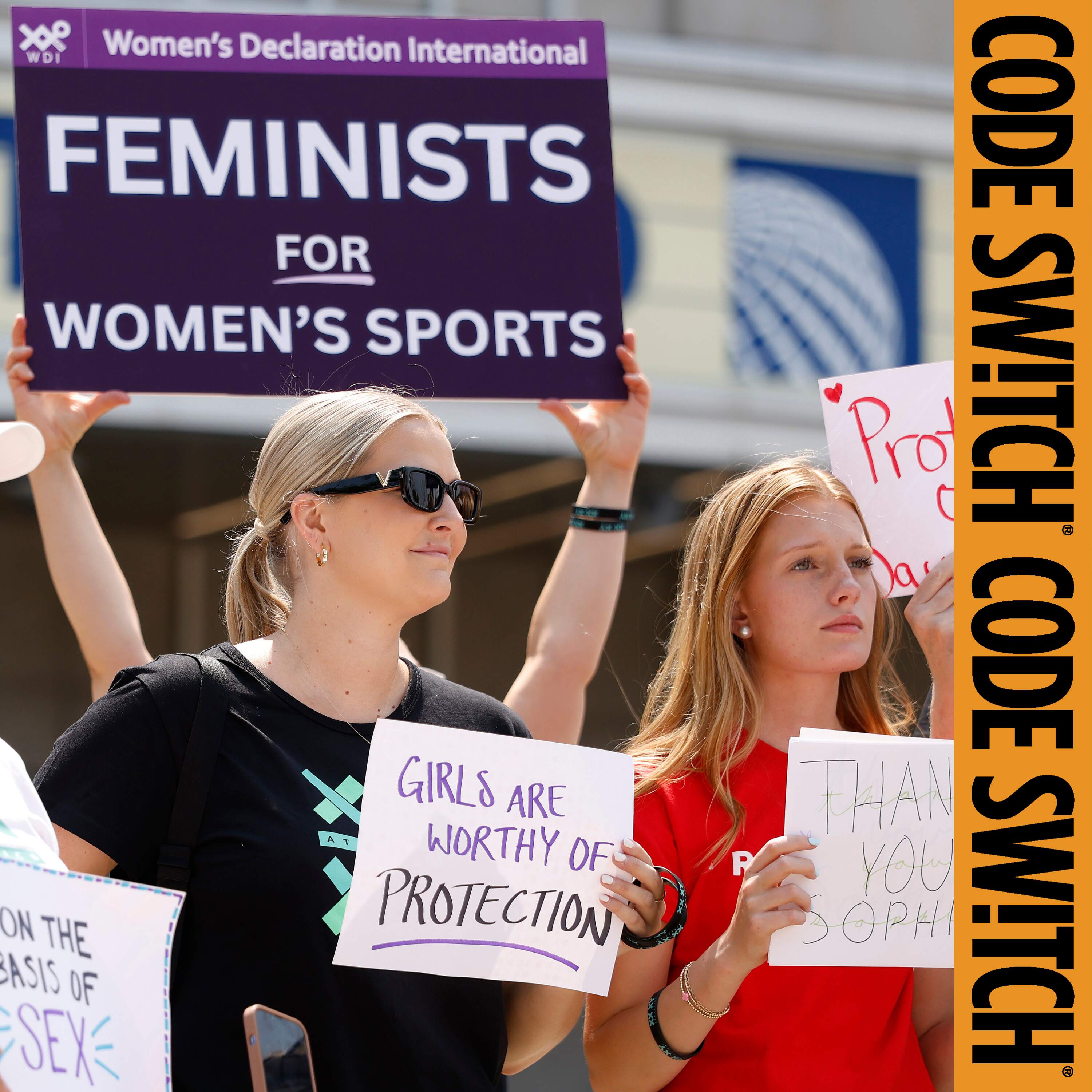
- Anti-trans protesters have shown up at games, both in arenas and outside them.
- Some activists have physically entered arenas or stepped onto the court, turning games into political stunts.
Why NPR brought in extremism experts
- Odette Youssef explains that the league’s security concerns are not just about online trolling; they are about credible real-world threats.
- The Chicago Sky partnered with organizations that work on counter-radicalization and threat assessment:
- Moonshot: monitors online threats and can help identify imminent danger.
- PERL (Polarization and Extremism Research and Innovation Lab): studies how misogyny and radicalization connect to public violence.
A broader point about misogyny and violence
- The episode highlights research showing that misogyny is often connected to violent behavior.
- One cited finding: a majority of major U.S. mass shootings since 1949 involved a documented history of domestic or intimate-partner violence.
- The episode frames misogyny not as background noise, but as a public-safety issue.
Anti-trans panic as a political weapon
Why the WNBA became a convenient target
- The episode stresses that the WNBA does not currently have trans players.
- Anti-trans activists are using the league as a symbolic battleground because it features powerful, highly visible women — many of whom are Black, queer, tall, masculine-presenting, or otherwise outside narrow white norms of womanhood.
- The panel argues this is less about protecting women’s sports and more about undermining them.
The contradiction in “protect women” rhetoric
- The episode points out the hypocrisy of groups claiming to defend women while aligning with men who have themselves posed threats to women’s safety.
- It argues that the anti-trans movement’s language about “protection” is often a cover for exclusionary, white supremacist ideas about who gets to count as a woman.
The WNBA’s response: too cautious, too slow
- The league launched “No Space for Hate” and introduced tools to help players remove abusive comments from social media.
- But the episode says those efforts have not been enough.
- Critics argue WNBA leadership has been too reluctant to draw a clear line against bad-faith actors.
- The league’s attempt to stay “inclusive to all” is presented as a strategic mistake when some groups are explicitly working to make public spaces less inclusive for everyone else.
Key takeaways
- The WNBA’s growth has made it more powerful, but also more vulnerable to organized backlash.
- A lot of the current controversy is not organic fandom — it’s political theater.
- Misogyny, racism, homophobia, and transphobia are all interconnected in the backlash against the league.
- The WNBA now faces a crucial challenge: protect players and longtime fans without legitimizing people who are using the sport to spread hate.
Notable names featured
- Gene Demby — host of Code Switch
- Odette Youssef — NPR domestic extremism correspondent
- Frankie De La Cretas — independent journalist covering sports and gender
- Brittney Griner
- Caitlin Clark
- Angel Reese
- Sue Bird
- Diana Taurasi
Bottom line
The episode argues that the WNBA is not “too political” on its own — it is being politicized by outsiders who see women’s sports as a convenient place to project racism, misogyny, and transphobia. The real issue, according to the guests, is whether the league will defend the people who have actually built it.