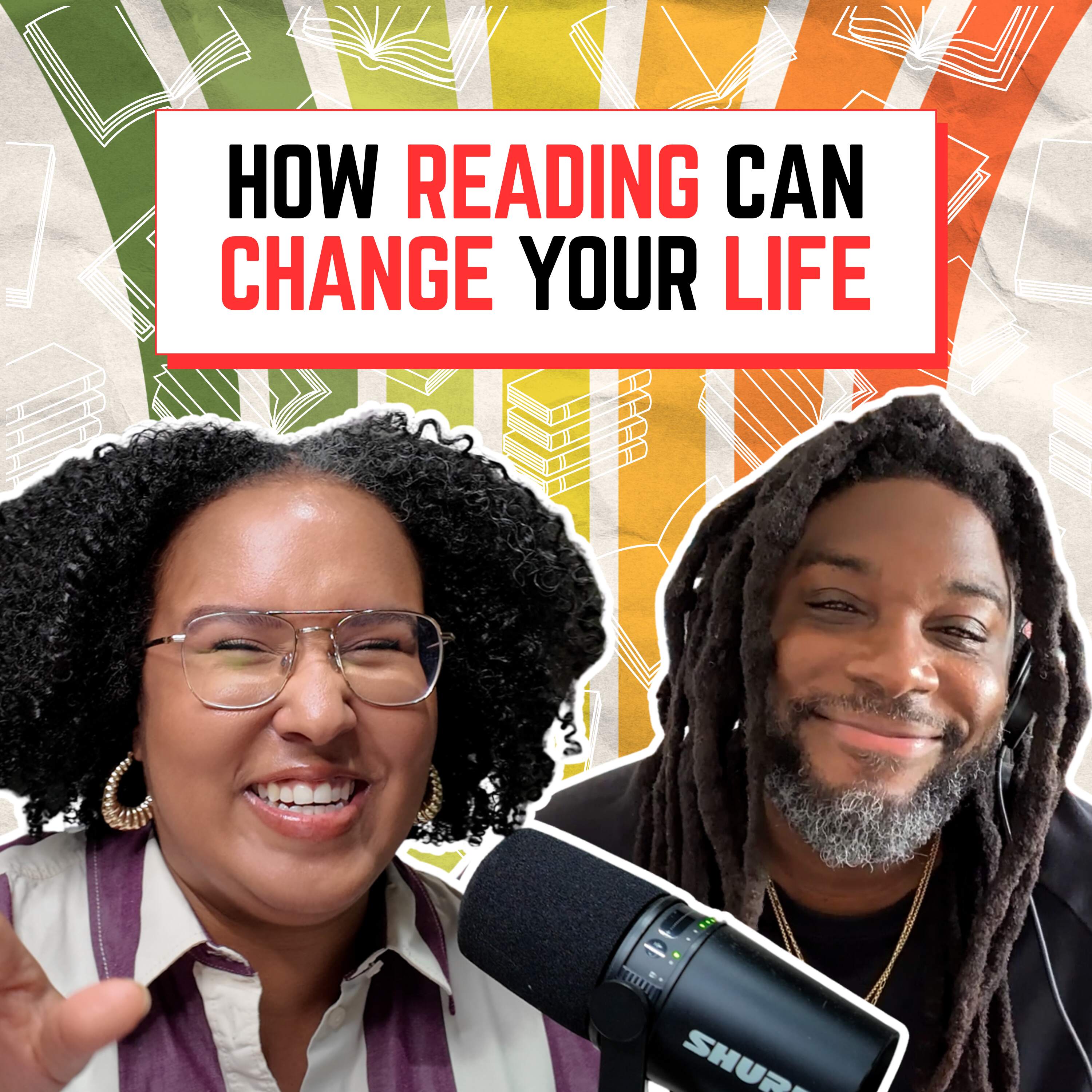
Overview of What if men read more books
This NPR segment opens with a casual Code Switch conversation about men’s reading habits and then plays a full It’s Been a Minute interview with author Jason Reynolds. The central question is why men and boys, especially, seem to read less fiction—and what is lost when they do. Reynolds argues that reading is less about “looking smart” or consuming prestige literature and more about building literacy, empathy, emotional vocabulary, and the ability to understand other people.
Key Themes
Men, boys, and the “reading crisis”
- The hosts joke about men “not reading,” but the discussion quickly turns serious.
- The episode notes a broader drop in reading, especially among men and boys.
- Reynolds pushes back on the idea that the issue is only about books; he says the deeper issue is literacy, language, and the ability to interpret the world.
Fiction as emotional and human training
- Reynolds makes a strong case for fiction as a tool for understanding humanity.
- He says novels teach:
- how to love
- how to feel
- how to fight
- how people change over time
- He argues fiction gives readers a “snapshot of your potential” by showing transformation across a story.
Boys should be allowed to be fully human
- Reynolds says his work focuses on reminding boys that they are human.
- He wants young men to see that it’s okay to feel:
- fear
- insecurity
- sadness
- joy
- confidence
- He frames courage not as the absence of fear, but as what helps a person move through it.
Friendship and brotherhood matter
- One of the strongest parts of the interview is Reynolds’ defense of friendship.
- He calls friendship the most underrated and valuable relationship in life.
- For boys and men, he wants friendships that include:
- honesty
- emotional safety
- accountability
- the freedom to say “I’m nervous” or “I don’t want to fight”
- He critiques toxic ideas of brotherhood that glorify violence, silence, or betrayal.
Jason Reynolds’s Main Insights
Bridge-building starts with wonder
- When asked how adults can connect with young people, Reynolds says the key is to remember how we built bridges as children:
- with curiosity
- with imagination
- with persistence
- with the belief that connection is possible
- He says adults often lose that sense of awe.
Reading should be measured by literacy, not prestige
- Reynolds says people often overvalue “the book” and undervalue reading as a skill.
- He argues that:
- short stories matter
- poetry matters
- folk tales matter
- songs and lyrics can be part of literacy, too
- His point: the goal is not just to read novels; it’s to develop language, thought, and expression.
Statistics can obscure the real story
- Reynolds is skeptical of simplistic stats about reading decline.
- He says data can be interpreted in ways that reinforce bias.
- Example: the old claim that “Black boys don’t read” could have been used either to justify ignoring them or to prove the need to publish books for them.
Books are becoming culturally “cool” again
- He notes that fashion brands and social media have made reading visibly trendy again.
- He sees that as a sign of cultural movement, not just marketing.
- He believes books may be entering a new cool era.
Notable References and Examples
- Toni Morrison’s Sula: Reynolds describes it as a book that changed him and taught him about sisterhood, scapegoats, and social change.
- Mary Oliver’s “Wild Geese”: he suggests children should memorize it because poetry can be immediate and deeply felt.
- Pachinko by Min Jin Lee: Brittany Luce uses it as an example of fiction’s power to create emotional kinship across time and place.
- Salt, Fat, Acid, Heat: Reynolds references the idea of multiple essential elements making a complete whole, using it as a metaphor for human emotion.
Broader Takeaways
- Reading less is not just a cultural problem; it’s an emotional and civic one.
- Fiction helps people recognize complexity in themselves and others.
- Boys and men benefit from stories that normalize vulnerability, friendship, and emotional depth.
- Literacy should be treated as a foundation for thinking, feeling, and connecting—not just academic performance.
- Adults trying to reach young people should lead with curiosity rather than judgment.
Final Note
The interview ends on a personal and moving note, with Reynolds saying his mother taught him they have lived many lives together and that this one feels like their final cycle. It’s a poignant closing that reflects one of the episode’s core ideas: literature, like life, is about connection, memory, and how deeply we’re shaped by the people we love.