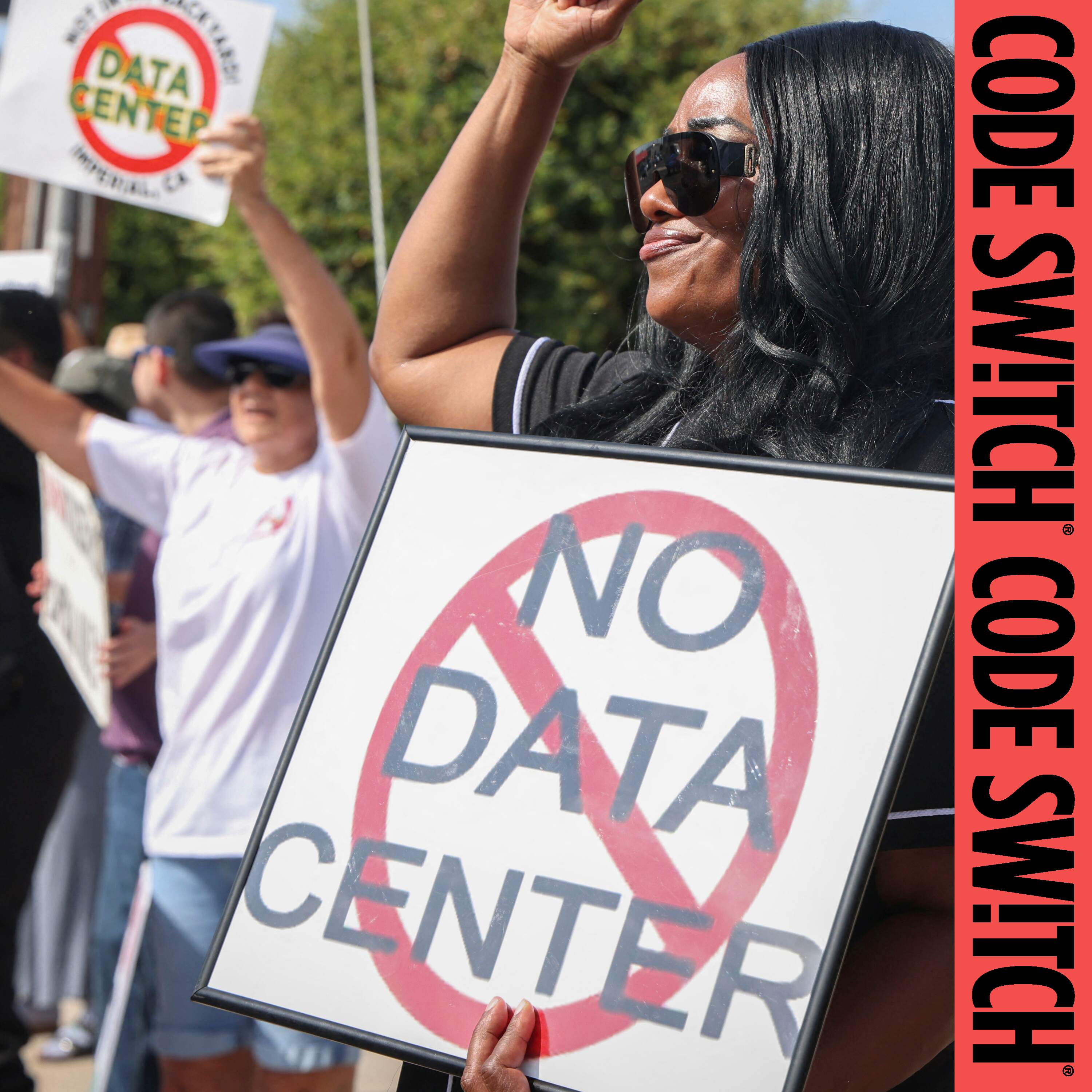
Overview of The Shady Deals Behind Data Centers
In this Code Switch episode, NPR examines how hyperscale data centers are being pushed into rural Southern towns through opaque planning processes, closed-door negotiations, and vague promises of economic development. The main case study is Clarksdale, Mississippi, where reporter Aaliyah Wright investigates a proposed data center that sparked local backlash, a lawsuit, and deep questions about who benefits when struggling towns are told to trade environmental and community risks for uncertain jobs and tax revenue.
What the Episode Is About
The episode looks at:
- The rapid expansion of data centers in the U.S., especially in rural Southern communities
- How local officials and developers use secrecy, NDAs, and vague rezoning language to move projects forward
- The tension between economic desperation and community harm in places like Clarksdale
- The broader regional pattern of Black communities bearing the costs of infrastructure tied to the tech industry
Clarksdale, Mississippi: A Town at a Crossroads
Clarksdale is described as:
- A majority-Black town of about 14,000 people
- Rich in blues history and tourism
- Economically strained, with population loss, abandoned buildings, and too few stable jobs
Despite tourism bringing in money, many residents still face:
- Low wages and multiple jobs
- Food access problems
- Weak local investment
- Ongoing distrust of city leadership and outside developers
That makes the town vulnerable to promises of development, even when those promises are unclear.
How the Data Center Plan Emerged
The proposed project became public in a confusing way:
- A rezoning application was filed for “economic development” without explicitly saying “data center”
- The planning commission approved moving it forward without knowing the full details
- The term “data center” surfaced only later, after rumors spread
- City leaders then held a town hall after public backlash grew
Residents objected because:
- They did not know who the developer was
- They did not know what exactly was being built
- They were worried about water use, pollution, noise, and power demand
- They doubted the promised jobs would be permanent or meaningful
The Core Problem: Secrecy and NDAs
A major theme of the episode is how secrecy shapes these deals.
According to the reporting:
- City officials signed NDAs
- Important details were withheld from the public
- Even planning commissioners appeared to approve rezoning without the full picture
That created a situation where residents were asked to support or oppose a project they could not fully verify existed.
The Public Debate: Jobs vs. Harms
Supporters of the project argue that Clarksdale needs investment and that a data center could bring:
- A one-time $5 million impact fee
- Temporary construction jobs
- Potentially 200–300 permanent jobs
- Increased property tax revenue, possibly tens of millions over time
Opponents argue that:
- The job numbers are speculative
- The long-term costs to water, utilities, and the environment may outweigh the benefits
- The town could be sacrificing health and quality of life for uncertain gains
The episode emphasizes that this is not just an economic question, but a moral one: what should a struggling community be willing to give up to survive?
The Lawsuit and Community Resistance
Fifteen Black residents from the nearby Round Yard neighborhood filed a lawsuit seeking to:
- Void the rezoning ordinance
- Force the project back through the planning process with full details
- Create a chance for real public input
The city tried to dismiss the suit, and the case remained unresolved at the time of the episode. Still, the lawsuit shows that residents are not passively accepting these deals.
Larger Regional Context: Data Centers and Pollution
The episode connects Clarksdale’s situation to broader regional concerns, especially in the Memphis area and Southaven, Mississippi, where xAI-related infrastructure has drawn scrutiny.
Reported concerns include:
- Gas turbines powering data center operations
- Alleged permit violations
- Air pollution in Black communities
- Noise, vibration, and quality-of-life degradation
- State and federal reluctance to intervene aggressively
This broader context raises a key question: if enforcement is weak elsewhere, how can communities trust that rules will be upheld in Clarksdale?
Energy, Water, and Infrastructure Risks
The episode also digs into utility concerns:
- Clarksdale’s public utility says it may not have the capacity for a “large load” customer like a data center
- If built, the developer would likely have to pay for upgrades
- But residents worry that the burden could still fall on local households
This matters because many residents already face:
- High electric bills
- Economic insecurity
- Limited ability to absorb more utility costs
There’s also concern that once a data center consumes grid capacity, it could block other kinds of development, like grocery stores or factories.
Main Takeaways
- Data centers are spreading quickly, especially in rural Southern towns.
- The planning process often lacks transparency, leaving residents in the dark.
- Towns under economic stress are being asked to accept major environmental and infrastructure risks for uncertain returns.
- Clarksdale’s case reflects a larger pattern in which Black communities are expected to shoulder the downsides of technological growth.
- The real question is not just whether a data center can be built, but what kind of development communities actually need.
Notable Insight
A central tension in the episode is captured by the tradeoff residents are forced to consider:
Do you accept a vague promise of jobs and revenue, or reject a project that could damage health, water access, and the local environment?
The episode argues that this is a false choice created by years of disinvestment and secrecy.
Credits and Reporting
The episode features reporting by Aaliyah Wright of Capital B News, with additional national context from NPR’s Code Switch team.