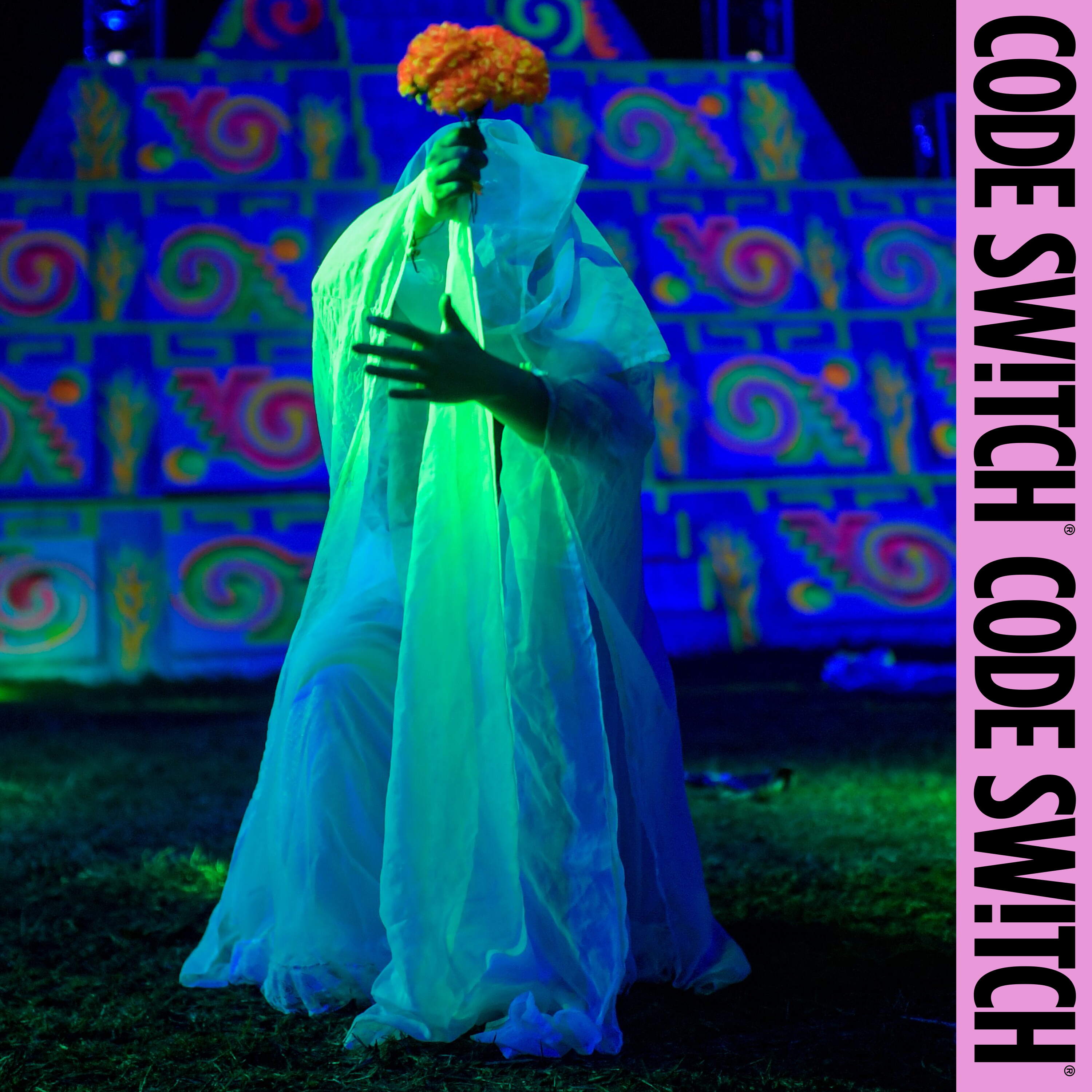
Overview of The Lindsay Clancy Case and the Women We Make Into Monsters
This Code Switch episode examines the Lindsay Clancy case through a cultural and gender lens, using it as a springboard to talk about how society frames women who commit violent acts—especially mothers. The conversation centers on maternal mental health, postpartum psychosis, and the way myths like La Llorona shape how women’s suffering is interpreted. The episode argues that these stories often turn women into “monsters” while obscuring the systems, relationships, and conditions that contribute to tragedy.
What the Episode Is About
The hosts discuss Lindsay Clancy, a Massachusetts woman who said she experienced severe postpartum psychosis before killing her three children and attempting suicide. Rather than focusing only on the criminal case, the episode broadens into a conversation about:
- how media and the public portray mothers who commit violence
- how misogyny affects understanding of postpartum mental illness
- how cultural myths socialize children into gender roles
- how domestic labor, isolation, and lack of support can contribute to crisis
The episode uses Clancy’s case to ask: Why are violent women so often framed as uniquely evil, while the men and systems around them receive less scrutiny?
Key Themes and Takeaways
1. Women Who Commit Violence Are Often Turned Into Symbols
The episode argues that when women—especially mothers—commit horrific acts, they are often treated as embodiments of evil rather than as people in context.
The guests compare this to broader cultural patterns, including:
- the tendency to humanize men who commit family annihilation
- the impulse to see women as “monsters” when they violate maternal expectations
- the way these narratives reinforce patriarchal norms
2. La Llorona as a Gender Script
Writer and activist Miriam Gerba connects the Clancy case to La Llorona, the Mexican/Latin American legend of a woman who kills her children and haunts the earth afterward.
Her interpretation:
- La Llorona functions as a cautionary tale for girls and women
- the legend teaches women to endure suffering silently
- the “monster” is often the woman, while the man who mistreats her is minimized
- the story reinforces patriarchal expectations about motherhood, obedience, and sacrifice
3. The Real Monster May Be the System
Gerba and folklorist Domino Perez suggest that the deeper issue is not simply the woman in the story, but the systems that shape her life:
- colonialism
- patriarchy
- disrupted communal child care
- the burden of unpaid labor on women
- social isolation
In this framing, La Llorona becomes less a simple ghost story and more a reflection of structural harm.
4. Postpartum Psychosis Is a Medical and Social Failure
The episode stresses that postpartum psychosis is not something that can be solved by talk therapy alone. Contributors point to factors such as:
- severe sleep deprivation
- isolation with the infant
- lack of adult support
- difficulty accessing mental health care
One of the clearest lines in the episode is the blunt prescription: “Let the lady sleep.” The point is that motherhood in the U.S. is often designed to be solitary and overwhelming, which can be dangerous for someone in crisis.
5. Men’s Neglect and Society’s Tolerance Matter
The episode highlights cases where women showed obvious signs of distress, yet partners or family members did little to intervene. A striking example is the story of Carol Coronado, whose husband allegedly ignored warning signs and failed to act meaningfully when her condition worsened.
The hosts and guest argue that:
- men often continue leisure and freedom while women unravel
- families and institutions normalize dangerous levels of maternal burden
- violence by men is so common that it becomes expected, shaping what women believe is survivable or escapable
6. Family Annihilation Is a Recognized Pattern
The episode situates Clancy’s case within a broader pattern of family annihilation—the killing or attempted killing of multiple family members.
Important point:
- these crimes are far more often committed by men
- there have been many such cases in recent years
- the public tends to treat each one as shocking, while the pattern itself remains underexamined
Notable Insights
- Myths socialize us. Stories like La Llorona help teach children what kinds of womanhood are acceptable and what happens when women refuse those roles.
- Maternal valorization can backfire. Because mothers are idealized, a mother who behaves violently is often read as especially monstrous.
- Context matters. Clancy’s case is not just about myth or folklore; it also involves postpartum psychosis, class, privilege, and access to care.
- Violence is gendered and normalized differently. Men’s violence is often expected or excused in ways that make women and children more vulnerable.
Resources Mentioned
- 988 Suicide & Crisis Lifeline — for anyone considering suicide or in crisis
- The episode also references broader conversations on domestic violence and maternal mental health
Bottom Line
This episode uses the Lindsay Clancy case to challenge simplistic “monster” narratives about women, especially mothers. It argues that when women commit violence, society often rushes to moral judgment instead of examining the cultural myths, gender roles, mental health failures, and domestic conditions that shape the tragedy. Through La Llorona, the show explores how stories about women can both reflect and reinforce patriarchy—and why those stories still matter today.