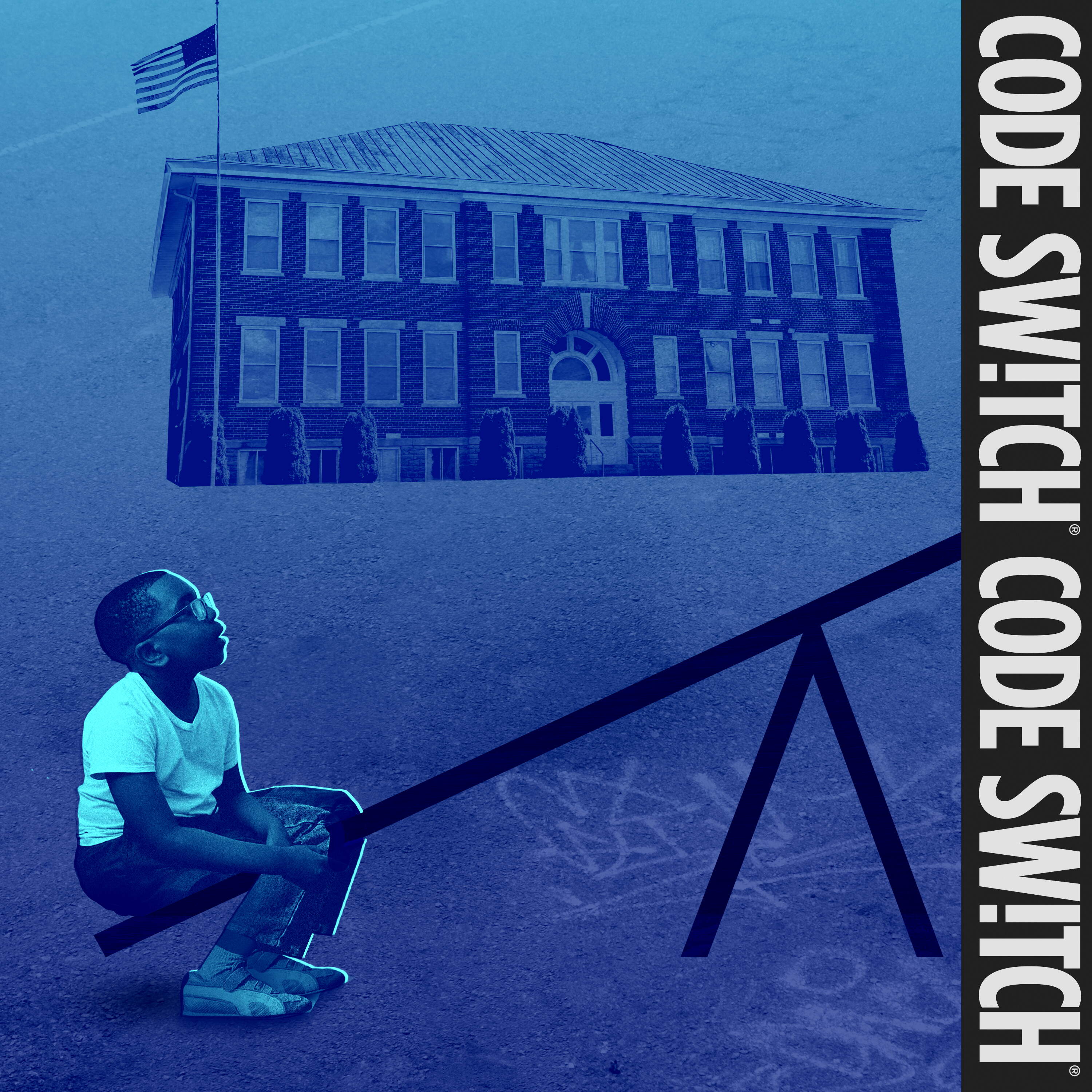
Overview of Let’s stop pretending we desegregated schools
This Code Switch episode examines the unfinished legacy of Brown v. Board of Education and argues that, in practice, American public schools were never truly desegregated. Using personal family examples, Gene Demby and his sister Stephanie Denby’s different school choices for their children, plus a conversation with scholar Noliwe Rooks, the episode explores the impossible decisions Black parents still face: send children to underfunded neighborhood schools, or place them in whiter, higher-resource schools where they may experience isolation, tracking, or hostility.
Main argument
The episode’s core point is that Black families are still forced to improvise individual solutions to a systemic problem.
- Public-school “choice” often means choosing between:
- a local school shaped by segregation, divestment, and underfunding, or
- a more resourced school where Black children may be “the only one” and have to navigate exclusion or stereotyping.
- The episode rejects the idea that any one parenting choice is obviously “right.”
- It argues that the U.S. never fully delivered on the promise of Brown, so families are left handling the consequences alone.
Personal stories that ground the discussion
Gene Demby and his sister Stephanie
Gene and Stephanie grew up in Philadelphia public schools, but made very different decisions for their own children:
- Stephanie sent her daughter to private school after deciding:
- smaller classes mattered,
- nearby “good” public schools were not really accessible to her,
- and some local options felt too white or too geographically out of reach.
- Gene chose a Title I public school near his home for his son.
Their conversation shows how Black parents weigh:
- academic quality,
- emotional safety,
- racial belonging,
- class mix,
- and the long-term effects of school climate.
Nicole Hannah-Jones’ controversial school choice
The episode also revisits the debate around Nicole Hannah-Jones and her daughter’s schooling in a mostly Black, underfunded Brooklyn public school.
- Hannah-Jones chose that school partly out of a political and communal commitment.
- Her daughter later challenged the decision publicly.
- The episode uses this example to show how even well-intentioned, resource-rich Black parents are judging a broken system with no clean answers.
Historical context: why “desegregation” didn’t really happen
Noliwe Rooks, author of Integrated: How American Schools Failed Black Children, explains that after Brown:
- white resistance was fierce and widespread,
- many schools were effectively resegregated through white flight and district maneuvering,
- integration was often framed as a legal victory but not a durable educational reality,
- and Black children were frequently placed in environments that were unstable, hostile, or under-resourced.
She also emphasizes:
- the rise of policing and criminalization in schools,
- the erosion of trust in public education,
- and the long-term damage caused by neglecting Black students’ academic and emotional well-being.
Key ideas and insights
There are no good choices
Black parents are often choosing among imperfect, sometimes harmful options.
“Good schools” are not just about test scores
The episode argues that schools should be judged by more than academics:
- safety,
- belonging,
- teacher quality,
- literacy,
- emotional health,
- and whether they help children develop a sense of self.
Community matters
Rooks and Demby stress that school is part of a larger ecosystem:
- neighborhood,
- churches,
- crossing guards,
- classmates,
- and local institutions all shape a child’s world.
Integration alone was never a cure
The episode pushes back on the idea that simply placing Black children in white institutions would solve educational inequality.
- Integration without resources, support, and belonging can be damaging.
- Some historically Black educational models, like the Panther schools, are presented as examples of approaches that centered Black children’s thriving, culture, and collective responsibility.
Notable takeaways
- Brown v. Board was not the same as actual desegregation.
- Black families are still doing educational triage in a system built around inequality.
- School quality has to include literacy, dignity, and emotional safety—not just proximity or reputation.
- The real question is not which individual parent made the “right” choice, but why the system keeps forcing these choices at all.
Closing thought
The episode ends with a clear challenge: stop treating school placement as a private family problem and start confronting the structural failure of American education. The message is less “pick the right school” and more “we still have not built a school system worthy of Black children.”