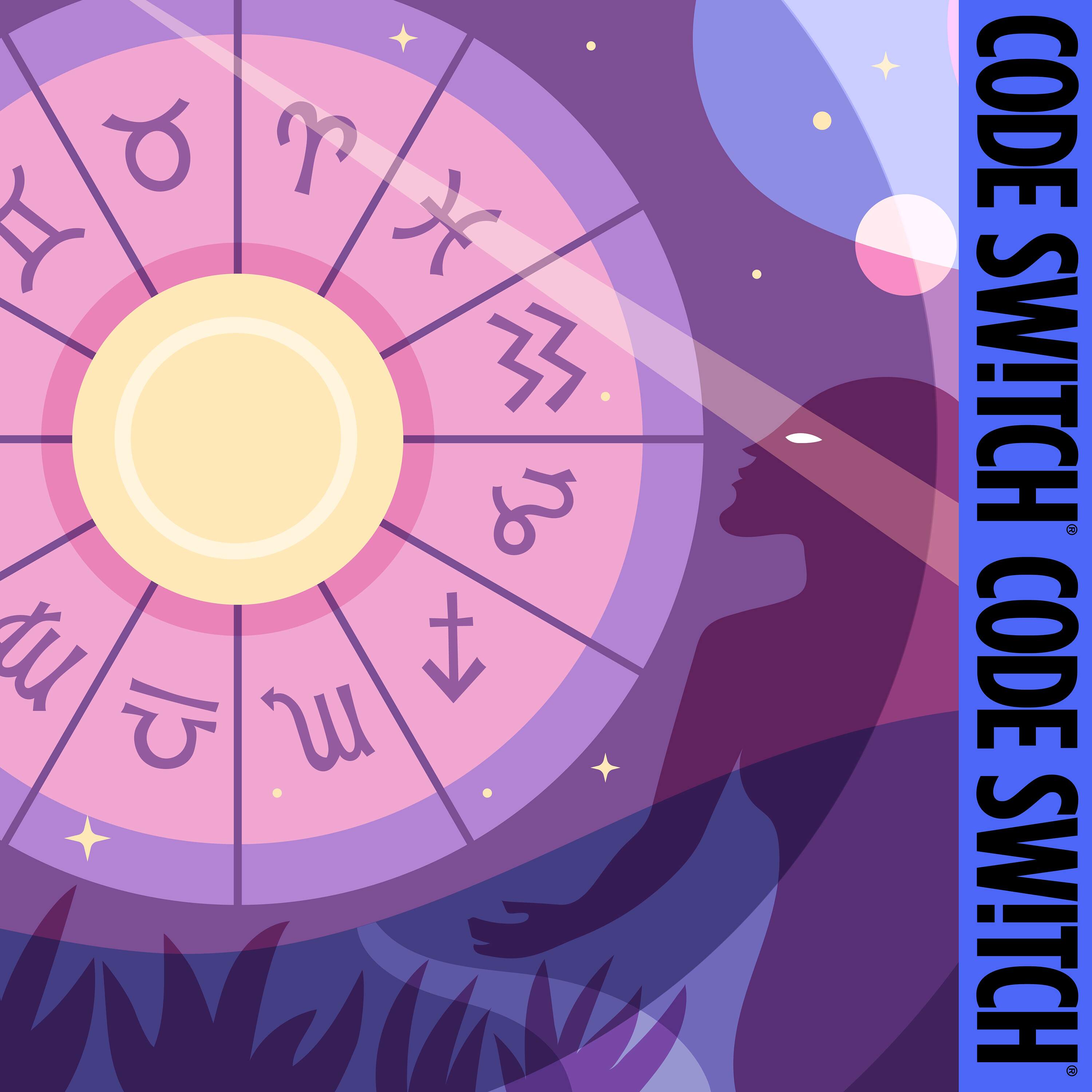
Overview of Is astrology real? Depends who you ask
This Code Switch episode explores why astrology remains so popular, especially among women, Black and Latino people, and LGBTQ folks, and why it can mean very different things depending on who’s using it. Host B.A. Parker talks with both an astrologer and a science writer/skeptic to unpack astrology as a source of meaning, identity, comfort, and control — while also examining how it can reinforce stereotypes and why many people remain unconvinced by its claims.
What the episode is about
The conversation begins playfully, with Parker trying to “astrologize” co-host Jean Demby and then celebrating Code Switch’s 10th birthday by reading the show’s birth chart. From there, the episode widens into a deeper question:
- Why do so many people, especially marginalized groups, find astrology compelling?
- Is it just entertainment, or does it offer something psychologically and culturally meaningful?
- Does astrology help people understand themselves, or can it also narrow people into stereotypes?
The believer’s perspective: astrology as meaning-making
Parker talks with astrologer Isa Nakazawa, who describes astrology as more than just sun-sign horoscopes:
- She sees astrology as an ancient symbolic language, not simple fortune-telling.
- For her, it functions as a way to make meaning, reflect on identity, and ask bigger philosophical questions.
- She says many clients don’t come to astrology for answers, but for permission:
- permission to be complicated
- permission to grieve
- permission to seek support
- permission to trust their own inner knowledge
Why astrology resonates with many people of color
Isa argues that astrology can be especially appealing because many people of color are taught history through trauma:
- family histories often begin with oppression, incarceration, displacement, or violence
- astrology offers a way to locate yourself in a larger cosmic story
- it can help people imagine a past and future beyond inherited limitations
The skeptic’s perspective: astrology as pseudoscience
Parker also speaks with Carlos Orsi, a Brazilian science journalist and author of What Science Says About Astrology.
His main argument
- Astrology is a pseudoscience: it resembles science but doesn’t actually work as a reliable explanatory system.
- Orsi says he became interested in astrology as a teenager, initially believing it seemed accurate — until he discovered how easily charts and interpretations could fit multiple possibilities.
- He argues that astrology often feels true because it uses broad, flexible statements that many people can identify with.
Why people believe it
Orsi points to several reasons astrology stays popular:
- declining trust in organized religion
- desire for personal, individualized spiritual frameworks
- the psychological appeal of having a system that seems to explain life events
- a sense of connection and control during uncertain times
Astrology, race, gender, and stereotype
A major section of the episode focuses on how astrology is used differently across communities and media.
Social marginality hypothesis
Orsi explains that people from underprivileged groups may be more drawn to supernatural or paranormal systems because these systems can provide:
- a sense of control
- a sense of order
- reassurance in a life with less concrete power
This helps explain why astrology is especially popular among:
- women
- Black and Latino people
- LGBTQ people
- people with less access to higher education
How horoscopes can reflect bias
The episode cites research showing that horoscopes aimed at different audiences can reproduce stereotypes:
- horoscopes for wealthy white women tended to be more romantic and indulgent
- horoscopes for Black women were more likely to emphasize money caution, distrust, and sexualization
The takeaway: astrology doesn’t just reflect personality beliefs — it can also mirror racialized and gendered assumptions.
The Code Switch birth chart reading
Isa reads the show’s chart and gives it a flattering interpretation:
- Gemini Sun: communication, translation, conversation, curiosity
- Sun-Venus conjunction: the show’s values are tied to its voice and vitality
- Aries Moon: directness, urgency, willingness to say uncomfortable truths
- overall, the chart fits Code Switch as a podcast built around difficult conversations that are still engaging and accessible
The reading becomes both humorous and symbolic, serving as a meta-commentary on the show itself.
Main takeaways
- Astrology is meaningful for many people not because it is scientifically proven, but because it can help with identity, reflection, and emotional support.
- For some, especially marginalized communities, astrology can offer a language for control, permission, and self-understanding.
- At the same time, astrology can be pseudoscientific, stereotypical, and socially biased, depending on how it’s used.
- The episode doesn’t force a single verdict; instead, it shows why astrology can feel real to believers and unconvincing to skeptics.
- The deeper point: people often use astrology less to predict the future than to decide what they already know they need to do.
Notable insight
“You know what to do. You just want some third party to say it.”
That idea captures one of the episode’s central arguments: astrology often functions less as prophecy and more as reassurance.