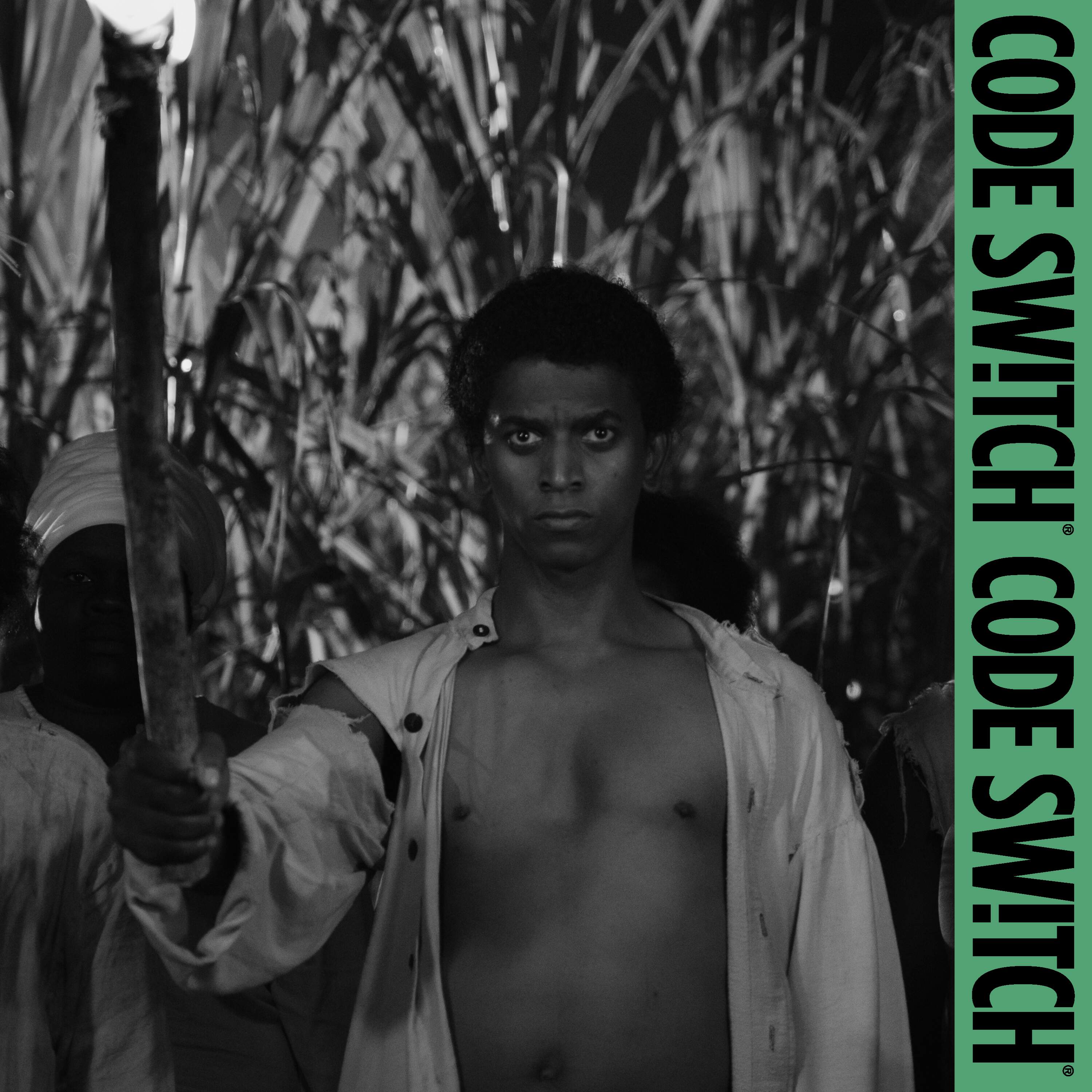
Overview of NPR’s How Hollywood stole the zombie from Haiti
This Code Switch episode explores how the zombie was transformed from a Haitian Vodou concept tied to slavery, spirituality, and the afterlife into the flesh-eating monster popularized by Hollywood. Through a conversation with filmmaker Maya Anik Bedward, the episode explains the zombie’s Haitian origins, how those origins were erased or distorted in American pop culture, and why that history still matters amid ongoing anti-Haitian racism and immigrant scapegoating.
The Original Zombie: Haiti, Vodou, and Enslavement
Zombie as a spiritual and social metaphor
- In Haitian Vodou, the zombie is not a cannibal monster.
- It refers to someone whose spirit has been taken or blocked from its proper journey after death.
- In this framework, zombification is tied to loss of agency, eternal labor, and the trauma of slavery.
Connection to the Haitian Revolution
- Bedward explains that Vodou traditions contain histories of resistance and freedom.
- Vodou ceremonies helped unite enslaved people during the Haitian Revolution.
- The religion is therefore central to Haitian identity and to the history of Black emancipation.
How Hollywood Repackaged the Zombie
Early distortion in film
- Hollywood’s zombie image began with racist portrayals of Vodou and Haiti.
- The 1932 film White Zombie helped introduce the concept to American audiences, but framed Haiti through a colonial, fear-based lens.
- Writer William Seabrook popularized these ideas after traveling to Haiti and writing about Vodou from a white outsider perspective.
The shift to flesh-eating monsters
- The modern zombie largely took shape with George Romero’s Night of the Living Dead.
- Romero’s “ghouls” became associated with the word “zombie,” creating the now-familiar image of hordes of undead, flesh-eating monsters.
- Later films like The Serpent and the Rainbow briefly returned the zombie to Haiti, but often in problematic, sensationalized ways.
Why the History Matters Now
Haiti has been repeatedly demonized
- The episode connects zombie mythology to the broader historical demonization of Haiti and Haitians.
- That demonization is linked to:
- punishment after the Haitian Revolution,
- U.S. occupation of Haiti,
- anti-Haitian rhetoric during the HIV crisis,
- and current immigration fear-mongering.
The zombie as a political metaphor
- Modern zombie stories often depict faceless hordes, making it easy to dehumanize people viewed as “other.”
- The episode draws parallels between zombie imagery and how migrants are sometimes portrayed in media and politics.
- The hosts and guests argue that this dehumanization can normalize violence against real human beings.
Black Creators Reclaiming the Genre
Horror as a site of reinvention
- Bedward sees major potential in Black filmmakers using horror to reclaim and reframe these stories.
- She points to films like:
- Get Out — which she reads as a kind of zombie film because of its themes of exploitation and loss of self;
- Atlantics — which uses the zombie form to explore migration and social abandonment.
A more accurate cultural frame
- The documentary Black Zombie aims not just to correct the record, but to restore the cultural and historical context that Hollywood erased.
- Bedward emphasizes that Haiti should be understood as a site of revolutionary importance, not fear.
Key Takeaways
- The zombie’s true roots are in Haitian Vodou, not Hollywood horror.
- In Haiti, zombification is tied to slavery, spiritual disconnection, and loss of autonomy.
- Hollywood turned that into a profitable monster myth while often stripping away Haitian authorship and meaning.
- Haiti and Vodou have been demonized for centuries, and those stereotypes still influence how Haitians are portrayed today.
- Reclaiming the zombie’s origin is part of a larger effort to respect Haiti’s role in Black liberation history.
Notable Insight
“I think we owe so much to Haiti.”
This idea anchors the episode: understanding the zombie’s origin is not just about correcting a pop culture fact, but about recognizing Haiti’s central place in Black history, resistance, and imagination.