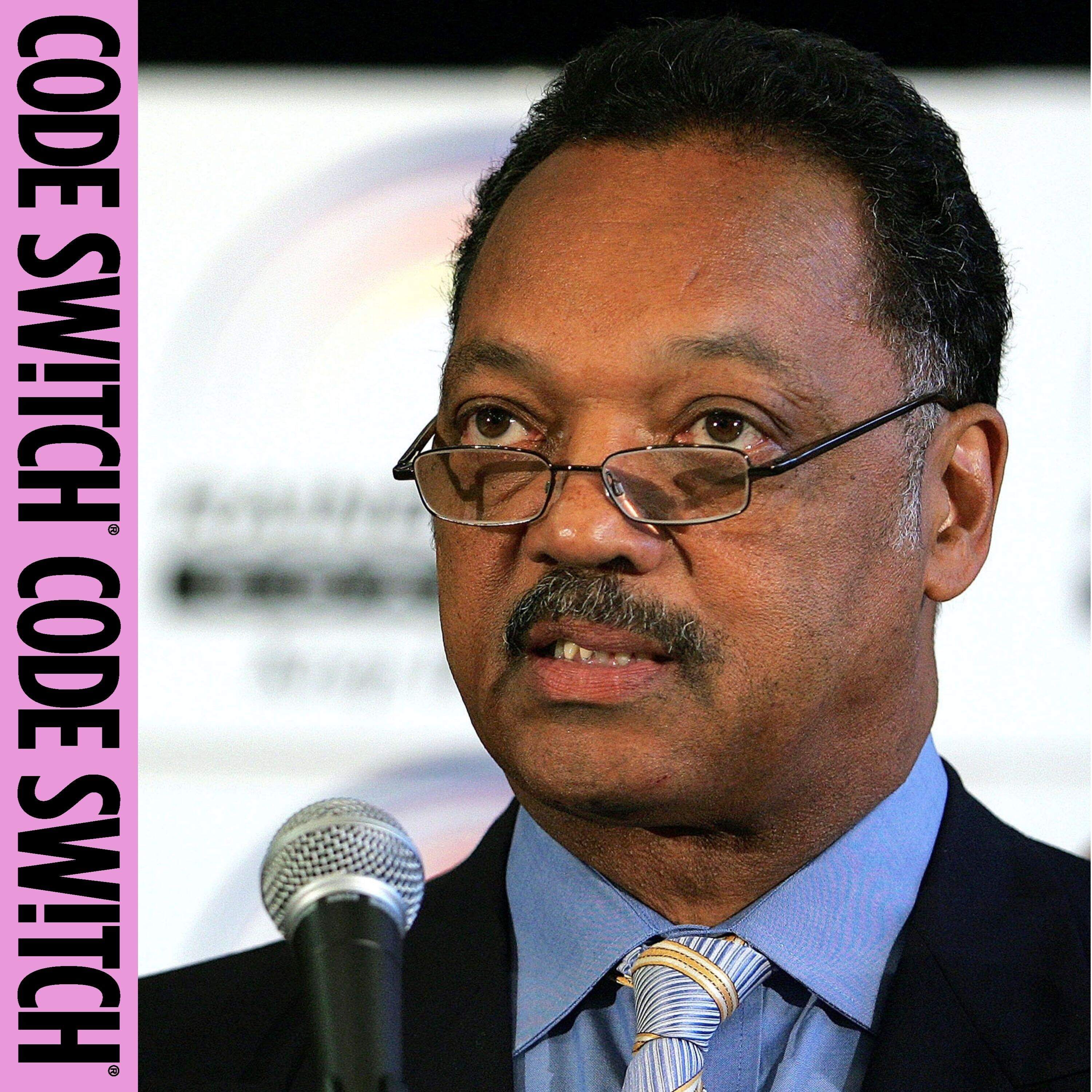
Overview of Remembering Jesse Jackson (Code Switch — NPR)
This Code Switch episode reflects on the life, impact, and complicated legacy of Reverend Jesse Jackson following his death at 84. Hosts Gene Demby and B.A. Parker weave personal memories with interviews (notably Adam Serwer and Senator Raphael Warnock) to situate Jackson as a civil-rights organizer, presidential candidate, coalition-builder, media figure, and a public leader whose longevity made his achievements and faults highly visible.
Key takeaways
- Jesse Jackson played a major role in bridging the civil rights movement of the 1960s to a new multiracial, politically active coalition that reshaped the Democratic Party.
- He was both a transformative organizer (voter mobilization, Rainbow Coalition) and a celebrity/politician whose public missteps and personal controversies complicated his legacy.
- Jackson helped normalize Black political power in local and national politics; his efforts contributed to the environment that made Barack Obama’s rise possible.
- Media portrayals often diminished or caricatured him, especially in late-night and conservative commentary, which obscured the substantive community work he did.
- Evaluations of Jackson should avoid flattening him into either saint or caricature; his life is best understood as consequential, messy, and influential.
Context & background
- Early activism: Close ally and deputy to Martin Luther King Jr.; involved with SNCC and efforts tied to the Voting Rights Act (1965).
- National prominence: Known for the "I Am Somebody" message and the 1988 DNC “Keep Hope Alive” / “quilt” speech that articulated a progressive, coalition-based liberal politics.
- Political bids: Ran for president (notably 1984, 1988), helping to pull the Democratic Party toward a more multicultural coalition.
- Additional roles: Served as a high-profile negotiator who helped secure the release of hostages under multiple administrations (Reagan, Bush, Clinton).
Legacy: accomplishments and controversies
- Accomplishments
- Voter registration and mobilization that built Black political clout in the Democratic Party.
- Creation and championing of the Rainbow Coalition — a practical vision of multiracial, multi-issue political alliances.
- Influence on subsequent progressive and social-democratic currents in U.S. politics.
- Controversies and complexity
- Public and private missteps (extramarital relationships, family issues) were highly visible and used to discredit him and, by extension, some of his causes.
- Frequent caricature in mainstream media and commentary, which undercut perceptions of his leadership.
- Racial essentialist moments (e.g., comments forcing criticism when he urged Black solidarity on certain votes) that made parts of his rhetoric contentious.
Notable quotes & passages
- “Keep Hope Alive. We must never surrender.” — from the 1988 DNC keynote.
- 1988 “quilt” passage (abridged): “Democrats, we must build such a quilt… Farmers, you seek fair prices… Workers, you fight for fair wages… Women, you seek comparable worth… We all need to stitch together as a coalition…”
- “My constituency is the desperate, the damned, the disinherited, the disrespected and the despised…” — encapsulates his populist outreach.
- Reflective observation from the episode: MLK’s early death froze him as a martyr; Jackson’s long life revealed both achievements and fallibility.
Voices featured
- Hosts: Gene Demby and B.A. Parker (Code Switch)
- Interviewees:
- Adam Serwer (The Atlantic) — on how media diminished Jackson and why we should resist flattening his legacy.
- Senator Raphael Warnock (Georgia) — on Jackson as a bridge between the civil-rights movement and the multiracial coalition that enabled later Black political leaders.
- Archival references and quotes from Jackson’s speeches and public appearances.
Why this matters
- Jackson reshaped American political organizing and the Democratic coalition in ways that endure today — from voter turnout strategies to the idea of cross-issue coalition politics.
- His long public life makes him a useful case study in how movements and leaders are remembered: both their structural impacts and human imperfections matter.
- Assessing Jackson’s legacy helps illuminate how political power is built and how media and public scrutiny affect leaders from marginalized communities.
Recommendations / further reading
- Read Adam Serwer’s piece in The Atlantic (referenced in the episode) for a fuller critique and defense of Jackson’s record.
- Revisit Jesse Jackson’s 1988 DNC keynote and Rainbow Coalition speeches to hear his coalition message in his own words.
- When evaluating public leaders, weigh tangible institutional changes (voter mobilization, coalition-building) alongside personal flaws; avoid reductive narratives that erase complexity.
Credits: episode produced by Kayla Lattimore and Xavier Lopez; edited by Dalia Mortada and Leah Dinella; Code Switch team noted in the episode.